





Stay on Top of Your Cloud Monitoring with Google’s Mobile App
1541
Of your peers have already read this article.
3:30 Minutes
The most insightful time you'll spend today!
We are pleased to announce the availability of Google Cloud Monitoring uptime checks in the Google Cloud mobile app.
The uptime check capability offered by Cloud Monitoring is a simple yet powerful observability tool to monitor an application’s availability and performance on URLs provided by customers. The primary purpose of an uptime check is to track resource availability on an on-going basis. It’s essentially a pulse check for a system and is often the first to detect impending issues. Using uptime checks can proactively detect availability and latency issues with an application and reduce the time and severity your users are impacted by an outage. Uptime check can validate if the response code from your application is as expected, and also the latency of your service from different regions. Uptime checks can further inform your SLAs and SLOs, and track your service’s health over time. SREs at Google use uptime checks as an important part of their daily routine.
Given the critical role served by uptime checks, we heard your feedback on having the ability to track these checks in the Google Cloud mobile app. With this launch SRE’s, operators or administrators can do exactly that, in addition to easily accessing their cloud resources (App Engine, Compute, Databases, Storage), managing permissions using IAM, viewing logs, incidents, errors, and billing.
To access uptime checks, simply tap the “Operations” tab in the Google Cloud mobile app on your iOS or Android device.
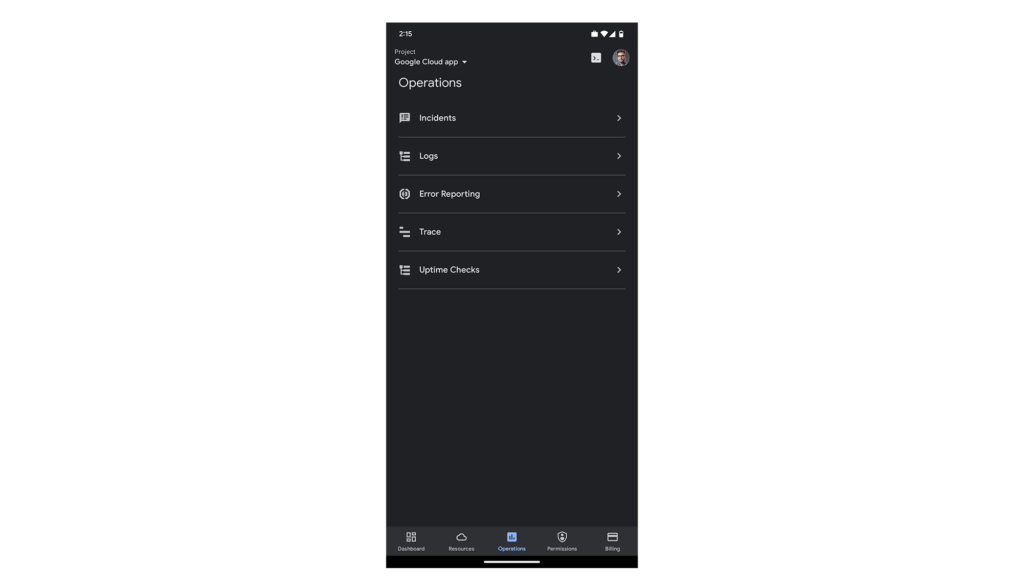
After navigating to “Uptime Checks”, you will see a list of all the services you have previously added using the Create public uptime check documentation.
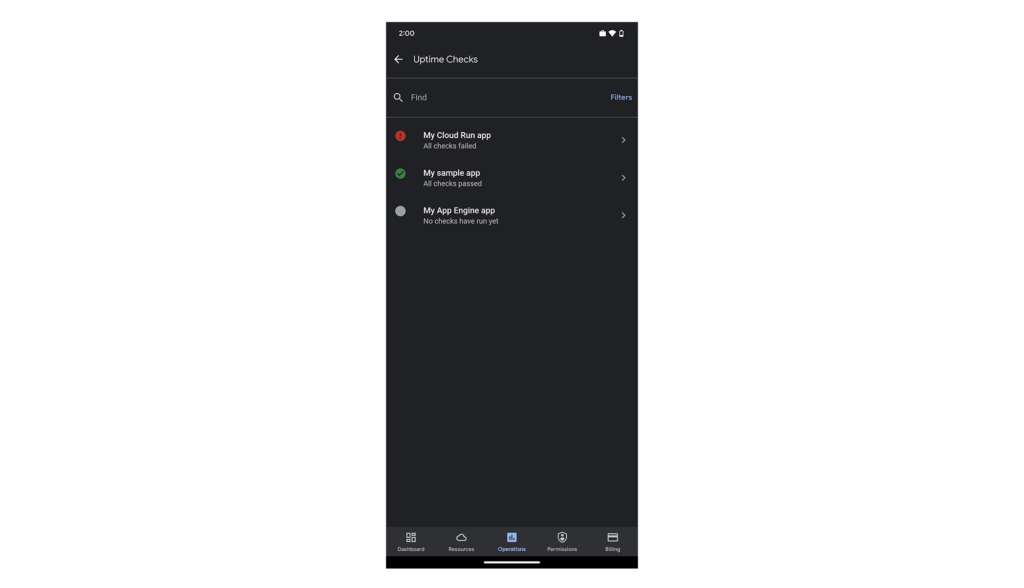
The list is sorted by status, so all failing checks are at the top. You can easily filter by status using the “Filters” option in the top-right corner of the screen.
Tapping any of the uptime checks will take you to the “details”-screen.
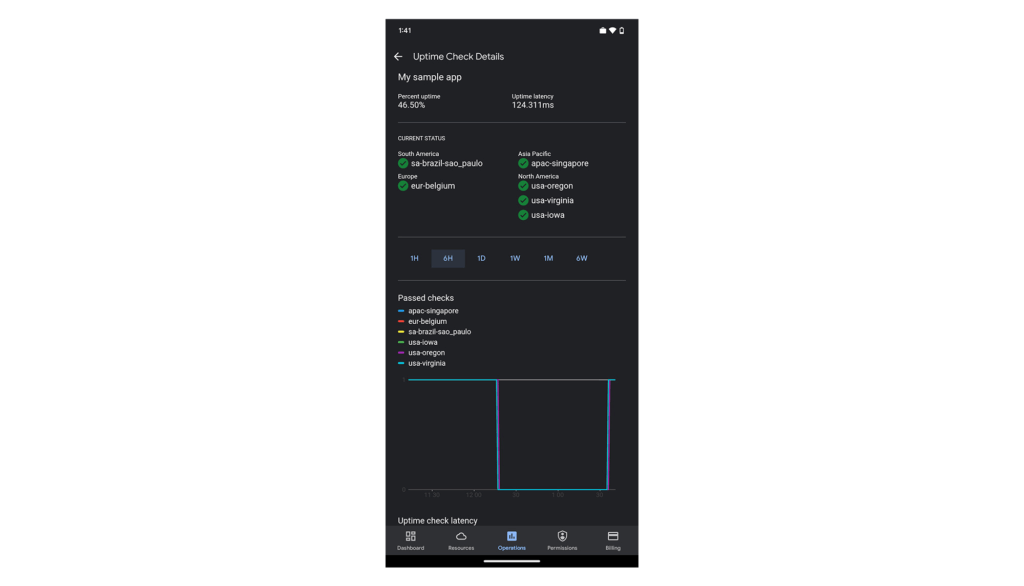
Here you’ll see your application’s uptime, latency, status per region (if you’re monitoring your application from more than one cloud region) and graphs to give you a sneak preview. The “passed check”-graph is showing how many checks passed in the last hour up to 6 weeks. You can easily change the interval using the scale above the graphs.
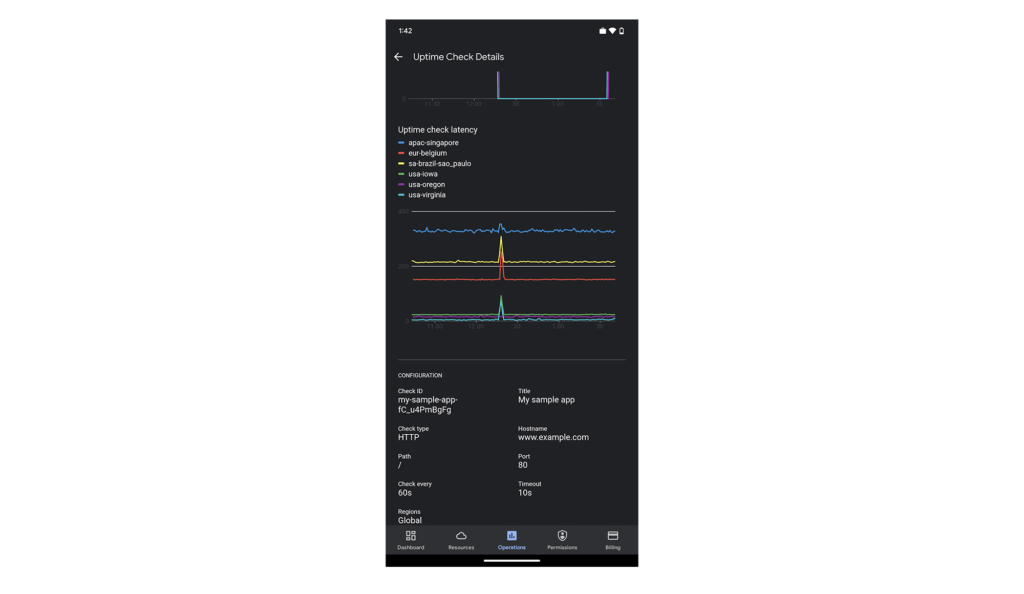
Scroll down the page to see more data. At the bottom of the screen, we’ve included some configuration details for this uptime check, so you can check the above data against this specific setting.
We hope you find this new uptime check feature useful in your daily work. To create new uptime checks, start here: Create public uptime check.
We’re working hard to make the Google Cloud app your companion for monitoring and managing your Google Cloud resources on the go.
For pricing information on uptime checks, please see the Cloud Monitoring pricing summary.
This new feature is available for you to use today. If you have any feedback, we would love to hear from you — just click the “Send feedback” button in the app. And if you don’t have the app – go ahead and download the app today from Google Play or the Apple App Store.
Now on Mobile: Manage Your Google Cloud Support Cases Anywhere, Anytime
945
Of your peers have already read this article.
2:30 Minutes
The most insightful time you'll spend today!
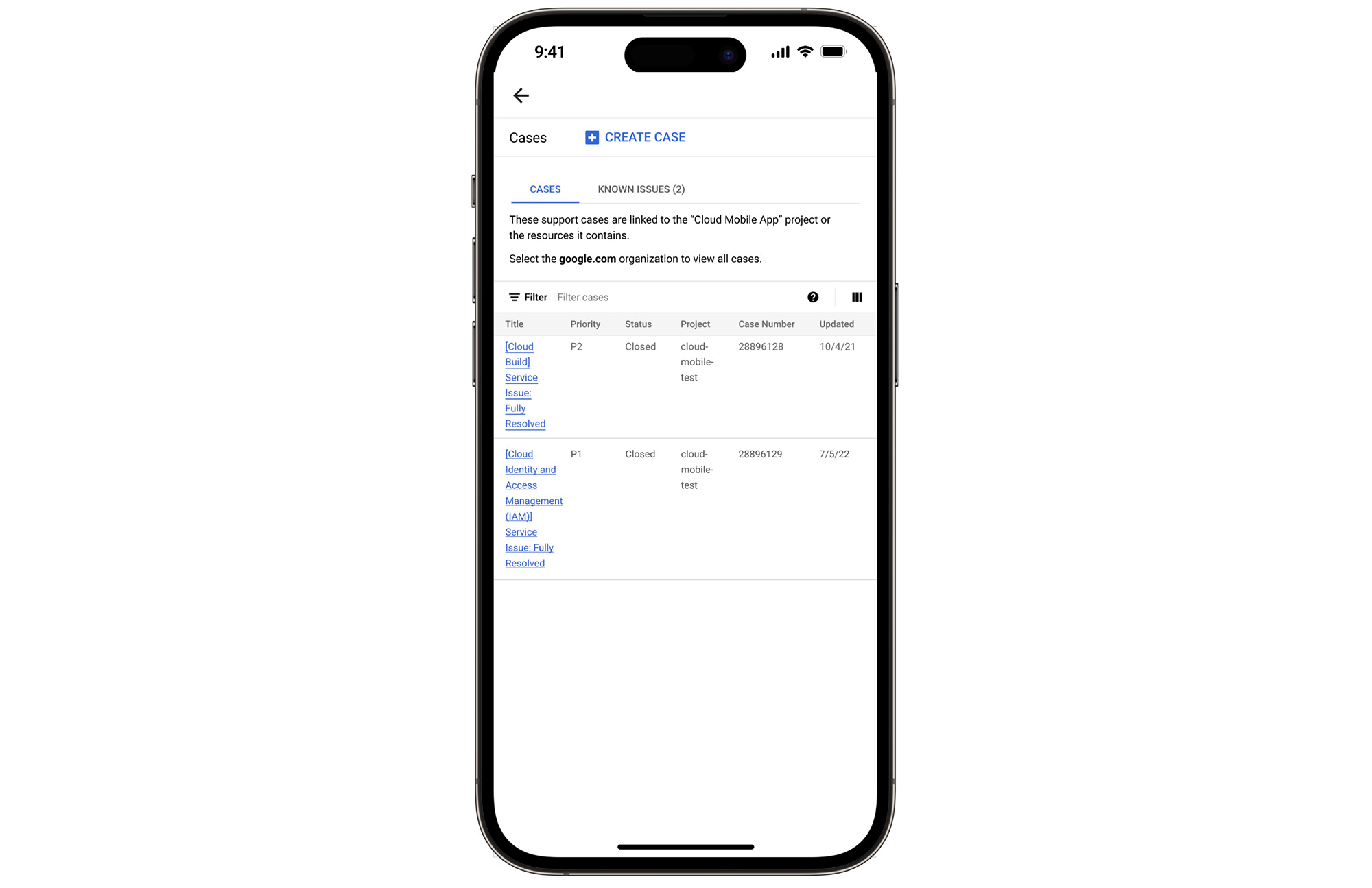
We’re excited to announce that Google Cloud Support is now available as Public Preview* in the Google Cloud mobile app.
View and manage Google Cloud Support cases
We understand how important it is to be able to access and collaborate on Cloud Support cases. As such, we’ve made it easy for you to manage your cases via the mobile app. There is no need to log in to the mobile browser, search for a proper website, and navigate to the place where you need to be. Your Cloud Support cases are now available at your fingertips.
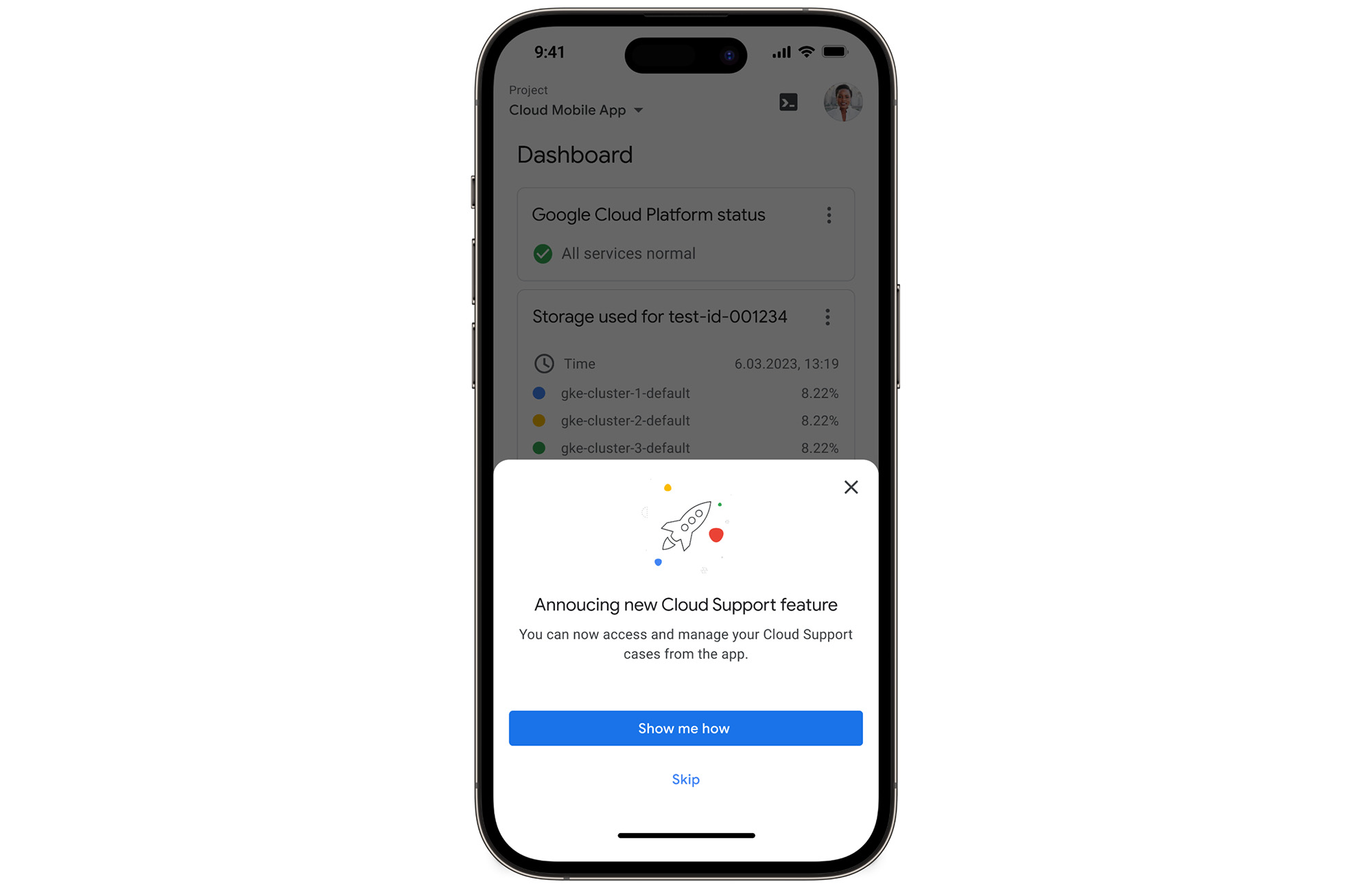
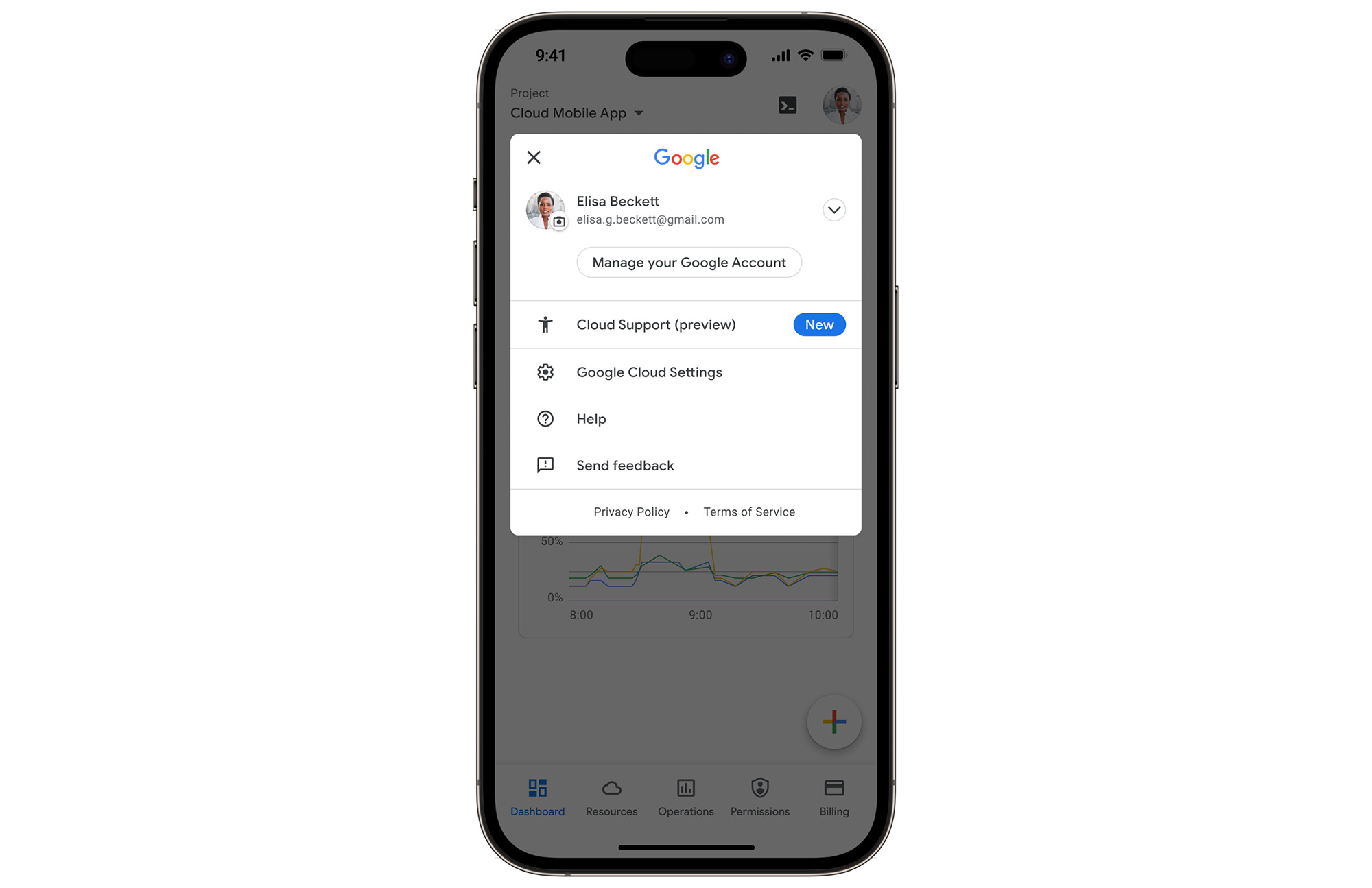
In the Google Cloud mobile app, simply navigate to “Cloud Support (preview)” from any screen by touching your profile picture.
With just one touch you can see the list of all your support cases and easily dive into their important details.
Create Google Cloud Support cases and take action
Not only can you easily view and manage your existing Cloud Support cases, you can also create new ones on the fly with the Google Cloud mobile app.
Seamlessly browse case comments to see the full history of the support case, and respond to the case with new comments.
Download the Google Cloud app today
The Google Cloud app is a powerful tool for managing your Google Cloud environment on the go, and it just got better. To summarize, we’ve added Cloud Support cases to our mobile app, which lets you:
- Read existing conversations with the Google Cloud Support Team
- Respond to Google Cloud Support cases
- Create new Google Cloud Support cases
These new features are available for you to use today in Public Preview. Download the Google Cloud mobile app from Google Play or the Apple App Store to try it out. Check out the Google Cloud app documentation to learn more about what you can do on-the-go. If you have any feedback, we would love to hear from you — simply click on the “send feedback” button in the app to share your experience.
*Preview – This product or feature is covered by the Pre-GA Offerings Terms of the Google Cloud Terms of Service. Pre-GA products and features might have limited support, and changes to pre-GA products and features might not be compatible with other pre-GA versions. For more information, see the launch stage descriptions.
Google’s Open Subsea Cable ‘Firmina’ to Improve South Americans’ Access to Google Products
3837
Of your peers have already read this article.
1:30 Minutes
The most insightful time you'll spend today!
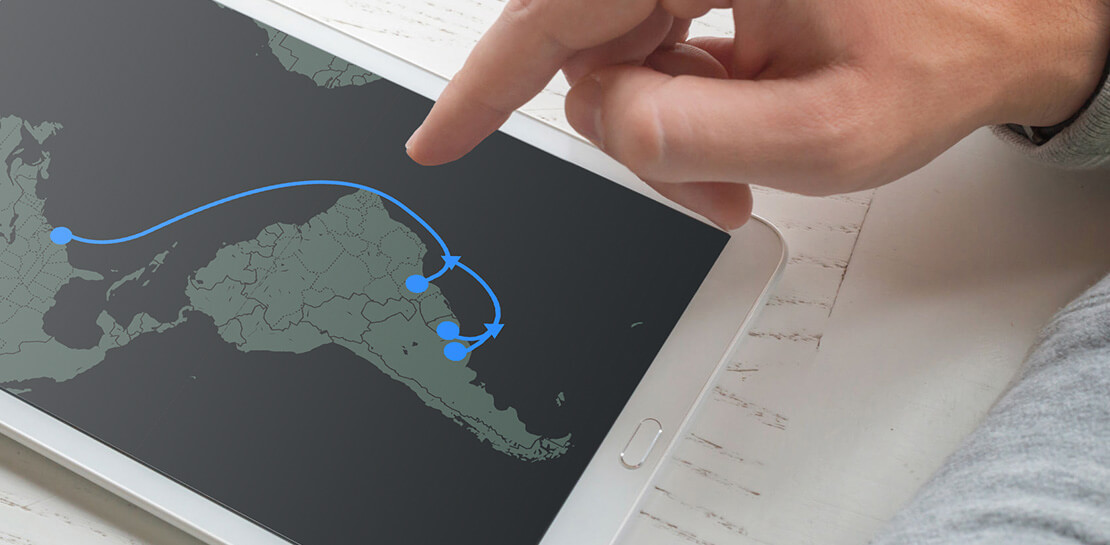
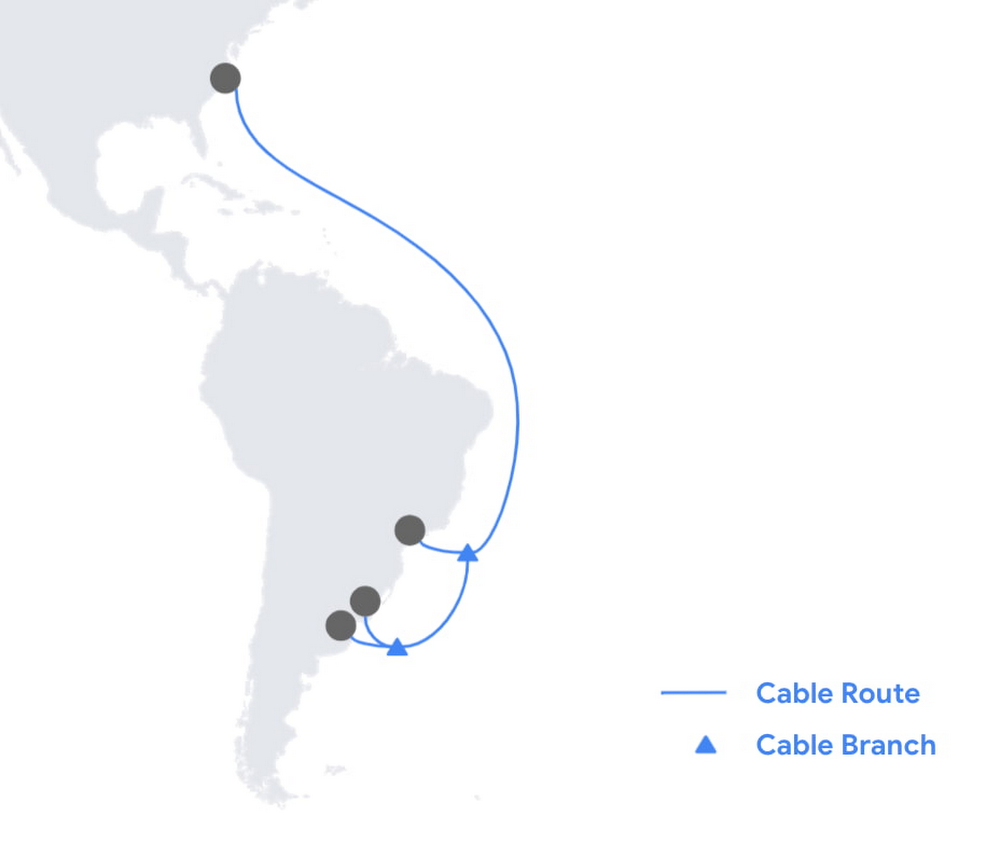
Today, we’re announcing Firmina, an open subsea cable being built by Google that will run from the East Coast of the United States to Las Toninas, Argentina, with additional landings in Praia Grande, Brazil, and Punta del Este, Uruguay. Firmina will be the longest cable in the world capable of running entirely from a single power source at one end of the cable if its other power source(s) become temporarily unavailable—a resilience boost at a time when reliable connectivity is more important than ever.
As people and businesses have come to depend on digital services for many aspects of their lives, Firmina will improve access to Google services for users in South America. With 12 fiber pairs, the cable will carry traffic quickly and securely between North and South America, giving users fast, low-latency access to Google products such as Search, Gmail and YouTube, as well as Google Cloud services.
Single-end power source capability is important for reliability, a key priority for Google’s network. With submarine cables, data travels as pulses of light inside the cable’s optical fibers. That light signal is amplified every 100 km with a high-voltage electrical current supplied at landing stations in each country. While shorter cable systems can enjoy the higher availability of power feeding from a single end, longer cables with large fiber-pair counts make this harder to do. Firmina breaks this barrier—connecting North to South America, the cable will be the longest ever to feature single-end power feeding capability. Achieving this record-breaking, highly-resilient design is accomplished by supplying the cable with a voltage 20% higher than with previous systems.
Celebrating the world’s visionaries
We sought to honor a luminary who worked to advance human understanding and social justice. The cable is named after Maria Firmina dos Reis (1825 – 1917), a Brazilian abolitionist and author whose 1859 novel, Úrsula, depicted life for Afro-Brazilians under slavery. A mixed-race woman and intellectual, Firmina is considered Brazil’s first novelist. With this cable, we’re thrilled to draw attention to her pioneering work and spirit. You can learn more about Firmina in this Google Doodle.
Including Firmina, we now have investments in 16 subsea cables, such as Dunant, Equiano and Grace Hopper, and consortium cables like Echo, JGA, INDIGO, and Havfrue. We’re continuing our work of building out a robust global network and infrastructure, which includes Google data centers and Google Cloud regions around the world.
Learn more about our infrastructure.
How Morrisons Connects All of its 120,000 Employees Across 500 Offices on One Platform

6171
Of your peers have already read this article.
2:30 Minutes
The most insightful time you'll spend today!
Morrisons is a large supermarket chain in the United Kingdom, headquartered in Bradford, West Yorkshire, England.
Eleven million customers trust Morrisons, a leading UK supermarket, to provide quality food at affordable prices each week. With 120,000 staff nationwide across more than 500 sites, good communication is crucial. G Suite helps Morrisons connect every member of their team affordably, whether they’re picking stock in a warehouse or serving customers in-store.
Morrisons used to print half a million sheets of paper every week and file them in over 3,000 filing cabinets in order to fulfill compliance requirements. Now, with collaboration in Docs and rapid information collection with Forms, they’ve reduced paperwork. Outside the office, staff has replaced clunky VPNs and outdated handheld devices with G Suite, which can work on any device. And with Google’s intuitive administrative tools, local managers can set up new accounts in three minutes instead of five to ten days.
Instead of shared logins, all employees have a G Suite account, and Google+ brings these colleagues from across the company together to share tips and advice. Morrisons also improves services based on customer feedback collected by shop floor staff that use apps on mobile devices.

How One of the World’s Largest Insurers Improved Sales Performance with Better Collaboration
DOWNLOAD CASE STUDY4562
Of your peers have already downloaded this article
5:00 Minutes
The most insightful time you'll spend today!
When Generali Hungary, one of Hungary’s leading insurance agencies and one of the world’s largest insurance companies, was looking for a way to provide the company’s more than 1,800 employees and 2,200 self-employed agents with a tool to communicate efficiently, it turned to Google.
For insurance companies whose agents are scattered across territories and frequently on the road, having robust and collaborative systems in place, with access to forms, calendars, and documents anytime, anywhere, is crucial.
“Our aim with this project is to digitize sales processes and improve our internal communication. The unit manager has the opportunity to have continuous online contact with his agents as well as Generali’s employees,” says László Kriston, Sales Digital Transformation Team leader, Generali Hungary.
Insurance companies sell their products through sales channels such as brokers and tied agents, who are the point of contact with their clients. Generali Hungary had issues with its previous mail system, namely performance, administration, and calendar sharing. The Sales Digital Transformation Team looked for a way to improve performance and make communication more efficient for both agents and managers.
3895
Of your peers have already watched this video.
26:56 Minutes
The most insightful time you'll spend today!
What’s new and next in Android Enterprise
Many of you know Android as a consumer platform that has provided mobile data access on smartphones and tablets to over 2 and 1/2 billion people across the world. But we see Android as an enterprise operating system that spans a variety of form factors and use cases. We work with manufacturers across the globe, who create Android devices compliant with services, like Google Play.
And that means, whether you’re trying to enable employees with smartphones, frontline workers with rugged devices, create digital kiosks for customers to interact with, or build point solutions, like point of sale systems or signage, there’s an Android device that fits your need.
And as an organization, when you know how to build Android apps on one form factor, you can tailor these applications to be redeployed onto another because Android represents a common platform, irrespective of the hardware that you choose.
Learn how Android is tackling the biggest issues facing mobility strategies today, from balancing security and privacy to providing user experience and productivity innovation at scale.
More Relevant Stories for Your Company

Elevate Your SRE Practice: Streamlining Your SLO Design Process
Poll three Site Reliability Engineers with the question "What is SRE?" and you're likely to get five different answers: an implementation of DevOps, a role, a set of practices, a cultural shift, a snazzy title. While these definitions may not necessarily align with those in the SRE books, there is one
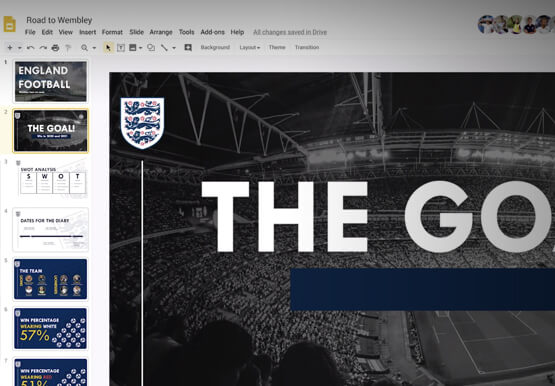
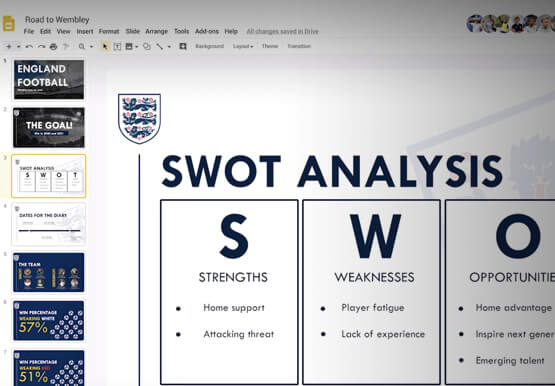

How the UK’s Football Association Turns to Tech to Ensure its 29 Teams Deliver World-Class Performance
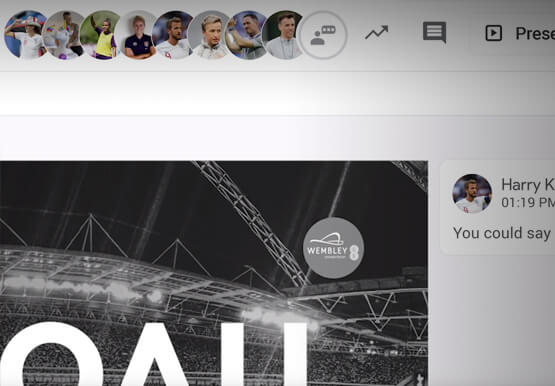
The FA is an iconic British institution responsible for overseeing all aspects of football in the UK, from the grassroots club level across the country to the national teams who play at Wembley. However, even icons like The FA must evolve to stay at the top of their game and

How Swiggy’s UK Competitor Expanded to 14 Countries in Just Three Years
Deliveroo is the fastest-growing technology company in the United Kingdom, and the first-ever to win Deloitte's UK Technology Fast 50 two years in a row. Founded in 2013, the food courier service achieved a three-year growth rate of over 15,000% to 2018, expanding beyond its London base to operate in 14 countries in
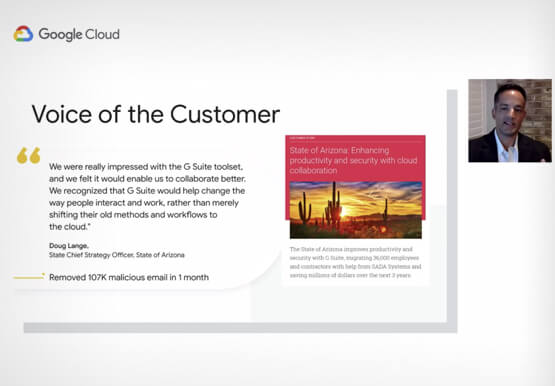
Lessons for the Indian Government: How the State of Arizona Innovates with Emerging Tech
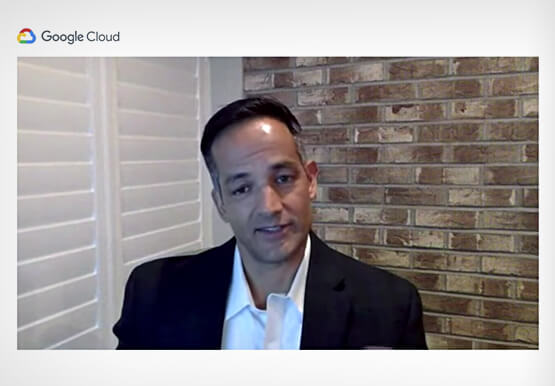
Government agencies of every size and jurisdiction are being called upon to provide accurate and real-time information and deliver essential services across the globe in a world infested by COVID-19. Doug Lange, Chief Strategy Officer, state of Arizona, is primarily responsible for two things. One is Arizona's statewide IT Strategic
