





4316
Of your peers have already watched this video.
20:00 Minutes
The most insightful time you'll spend today!
The New and Upcoming Infrastructure for Google Cloud’s AI and ML Solutions
How does Google manage to provide its customers a differentiated compute platform experience and define ways to fully leverage its infrastructure supporting its cutting-edge AI and ML offerings? Easy-to-use, scalable and ability to create innovative products and services to end-users at low cost of ownership is the narrative behind Google Cloud’s AI and ML solutions. Explore Google Cloud’s ML infrastructure and accelerator innovation for 2021.
Watch the video to find out how Google Cloud’s leadership in AI through Google research, Deep Mind and also practical application of AI within Google Products drive innovative platforms and offerings that cater to customers’ AI and ML use cases!
2022 Healthcare Trends: Healthcare Data, M&As, Better Patient Care, AI in Drug Development & Strategic Partnerships

6601
Of your peers have already read this article.
3:00 Minutes
The most insightful time you'll spend today!
The COVID-19 pandemic continues to push the healthcare and life sciences industry in entirely new ways. In record time, we’ve witnessed public health officials, vaccine developers, equipment manufacturers, and essential workers take life saving actions—regularly putting their own lives at risk—to respond to the exceptional challenges of our time.
Yet after all the turmoil and uncertainty of the pandemic, record breaking levels of investment continue to come into the market to fuel innovations.
Vaccine development is now measured in weeks rather than years; providers are leveraging telehealth technologies to improve the physician and patient experience; and individuals have embraced a variety of devices to assume greater ownership and control of their personal health.
With that in mind, here are five of the many innovations I see driving healthcare and life sciences for at least the next 12 months:
1. Unleashing the power of healthcare and life sciences data
People have arguably never had as much access and understanding to their personal health data than they can in 2022. They have the ability to understand their genetic makeup, medical history, family history, and activity levels to ensure they are living a healthy lifestyle. Taken together, this longitudinal profile can become the basis for more personalized medicine. Add wearable devices to the mix and patients gain real- or near-real-time updates on their health status.
Further, global regulatory agencies have continued to mandate the need for providers to maintain a longitudinal health record that provides a holistic view of the patient across all the encounters they have had with a health system. Physician surveys conducted by the The Harris Poll and Google Cloud show that a 360-degree view of the patient, across all provider encounters, leads to faster, more accurate diagnosis, and better outcomes.
If secure data access and interoperability can begin to include insurers, researchers, public health officials, and others in the field, the powerful network effects benefiting patients will only grow. When combined with those longitudinal phenome profiles, the opportunities for personalized and preventative medicine enter a whole new era.
2. Healthcare and life sciences M&A boom continues
Although the pandemic initially slowed activity on mergers and acquisitions in the early part of 2020, the healthcare and life sciences industry has seen a rapid rebound and acceleration of deals ever since. The success of COVID-19 vaccines, the importance of telehealth, and the focus on molecular modeling and genomic-based drug development have all boosted investment as organizations look to enter new markets, develop new therapies, and leverage low interest rates while they last.
In 2021, the total funding of US digital health startups surpassed $29 billion across 729 deals, according to advisory Rock Health. That’s almost double the levels of 2020, which itself set records. Analysts at PWC meanwhile estimate M&A investments in biopharmaceutical and life sciences could approach $400 billion this year across all sub-sectors
Clearly, the pandemic has been a primary driver of investment as the focus on healthcare has dramatically increased. Yet the increased activity also reflects changing business models and emerging technologies that are now required to compete in the rapidly evolving space. For organizations to capitalize on these investments, it will take not only great vision and intellectual property but also the right technologies—like cloud—and the right data interoperability models, to make partnerships and acquisitions more scalable, feasible, and seamless.
3. Transforming the patient experience at a new rate
The pandemic has shined a spotlight on the inefficiencies and complexities that exist in healthcare markets across the globe. As wave after wave has surged, global healthcare systems remain overwhelmed on most every aspect of patients’ treatment journeys. Even before COVID-19, healthcare was already one of the largest spend areas for governments around the world. The pandemic has only exacerbated the known issues.
Clearly, administrators, regulators, physicians, nurses, and patients would agree that the processes and models need to change. There’s a need to maintain this momentum and even increase the tempo to achieve lasting change.
Take telehealth. Within months of the start of the pandemic, providers moved to provide more remote capabilities so physicians could still meet with patients virtually to ensure health and safety on all sides. Payers recognized the importance of telehealth and began to update reimbursement rules. And organizations are now reimagining policies in areas such as prior authorization, submission, and adjudication to reduce complexity and bureaucracy while improving responsiveness.
Looking beyond the system, organizations are also recognizing and deepening their understanding of the structural and social determinants of health that impact patient care and health outcomes, especially for historically underserved communities. Private and public sectors are learning from, and increasingly partnering with, the social sciences, public health, biomedical informatics, computer science, public policy and community groups around how to build a mI’ore equitable and inclusive consumer products and Health IT strategies.
The newfound levels of transparency, visibility, and accountability that patients, caregivers, and organizations are achieving will ultimately increase competition and provide a more effective, equitable, efficient and, above all, healthier marketplace for all patients. As we move past the worst of the pandemic, regulators and organizations should keep fighting for progress over business as usual.
4. AI is now a core competency for Drug Development
The ability of organizations like Pfizer, Moderna, Johnson & Johnson, and Astrazeneca to develop COVID-19 vaccines has been a remarkable accomplishment—particularly the historic speed with which they were created and deployed. This innovation acceleration was largely enabled by the use of new drug development platforms that allow researchers to use artificial intelligence and machine learning to model protein and cellular interactions to rapidly advance the science.
No longer must researchers rely on traditional laboratory testing (and retesting). With their improved understanding of the molecular and genetic structure of a patient and, for example, their tumor, researchers can use AI to enable simulations on computers rather than testing in live conditions. This technology can process thousands, even millions of simulations to help identify high-potential candidates for treatment consideration and subsequent analysis.
AI-enabled drug discovery models can eliminate months and years from the research process, which can reduce the time to develop a drug and accelerate the time to treatment for an individual patient. As just one example, consider the work on AlphaFold2 by Google’s DeepMind unit who leverages AI to predict effective protein shapes for new drugs. Healthcare and life sciences organizations already recognize the potential of AI. Now comes the investments to leverage this rapidly evolving technology to support their efforts now and in the future.
5. Ecosystem partnerships tackle complexity and spur innovation
As the importance and growth of the healthcare and life sciences industry continues, we will see even more new players and partnerships emerging to address old problems in new ways. This trend will touch all aspects of the healthcare value chain and will, increasingly, see three- and four-player partnerships emerge to address the complex challenges of today’s healthcare marketplace.
Technology will continue to play a key role as capabilities and platforms will transform all aspects of the marketplace. Cell phones, wearable devices, and other technologies will provide real-time updates and notifications to patients on everything from glucose levels to payments for healthcare services. Voice recognition software will document physician and patient discussions to reduce the burden of record keeping. Real-world data will be used to simplify and confidentially recruit patients for participation in clinical trials.
New players will continue to enter the market to improve health outcomes and reduce costs. Major retailers are among the companies extending their pharmacies to provide additional diagnostic and concierge services, saving patients from additional appointments while boosting prevention. Community organizations are emerging to help identify and care for underserved communities whose health outcomes are significantly lower than the average patient.
For all the exhausting and heart-wrenching challenges of the past two years, the opportunities the pandemic has laid bare cannot be overlooked. We owe it to those who have worked and fought so hard for every life to forge even more new partnerships—and make it easier to do so—so that the next crisis, when it does arise, will never be as bad as the one we’re now conquering. Technology can be the enabler in this effort and help bring us together to continue to conquer the challenges that lie ahead.
New Visual Interface for Google Cloud’s Speech-to-Text API Makes API Easy to Use !

4656
Of your peers have already read this article.
2:00 Minutes
The most insightful time you'll spend today!
At Google Cloud, we’re committed to making artificial intelligence (AI) accessible to everyone and easier to harness for new use cases. That’s why we’re excited to announce the general availability of our intuitive, new visual user interface for Google Cloud’s Speech-to-Text (STT) API, right in Google Cloud Console, which makes the API much simpler and easier for developers to use.
The STT API lets developers convert speech into text by leveraging Google’s years of research in automatic speech recognition and transcription technology. As advancements in AI continue to bring speech to new interfaces and devices, the STT API helps developers add speech functionality to their applications in order to better meet consumer demands.
The STT API covers a wide variety of use cases, from dictation and short commands, to captioning and subtitles. Getting the most of STT, however, can be a complicated process. To achieve the highest accuracy on any AI use case requires careful testing and tuning.
Previously, developers building on the STT API had to do this work manually by carefully experimenting with our API. Just to get started, developers needed familiarity with GCP integration concepts and had to either build their own tools or manage various scripts and API calls to fully understand the API documentation. These actions required cumbersome and time-consuming effort and made measuring, customizing, and improving models even more difficult.
Today’s announcement significantly simplifies the process, facilitating iteration and integration of models into developers’ applications by letting developers perform every API function from within the Google Cloud Console. These tools will make it easier for developers to integrate the STT API with their products or services. This update also gives developers the ability to manage and quickly iterate on their STT model customizations with Model Adaptation.
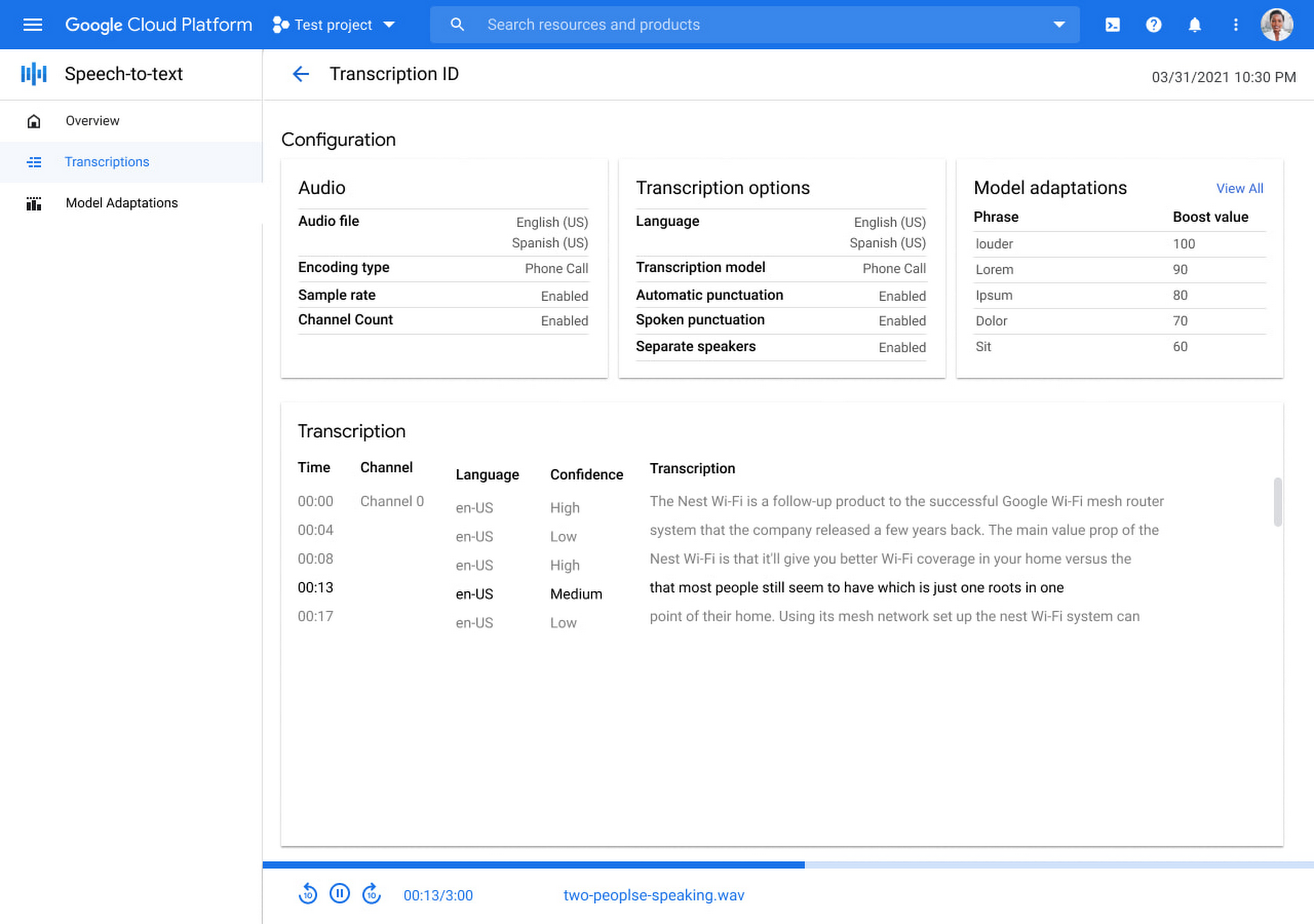
Model Adaptation allows developers to customize STT specifically for their domains or use cases. Developers can maintain lists of words and weights that will be applied to either every request or just single requests, depending on their needs. Model adaptations are reusable and composable, so once developers have seen good results in the STT Cloud Console, they can deploy to their entire solution.
The Speech-to-Text Cloud Console and Model Adaptation API is available now in all Google Cloud regions and languages and is accessible to all GCP users with no additional cost to that of the underlying API usage. The STT API supports over 70 languages in 120 different local variants. If you’re a developer looking for an easy to use, easy to integrate, and high-quality STT experience, sign up for our free trial and try our new interface on your own datasets today!
2962
Of your peers have already watched this video.
9:00 Minutes
The most insightful time you'll spend today!
Satellites Can Help Map Carbon Emissions By Looking at Images of Power Plants!
Did you know that Satellites can now help track power plants and determine if they are on or off? And did also know that compute processing that classifies over 59 trillion bytes of data from over 11,000 sensors from 300 satellites is done on on Google Cloud?
Google Cloud’s sustainability initiatives along with its cutting-edge, powerful technology and products are leveraged worldwide by organizations, non-profits and governments to keep a check on greenhouse gas emissions and build self-reporting, power monitoring platforms. Climate TRACE, a collaborative data sharing project with 50+ organizations is dedicated towards this cause by building a visual and meaningful way on a web app. In this video you can learn how generate geo-spatial model that can view the images of power plants gathered from satellite called Sentinel-2 to assess emissions from power plants. Watch the video to learn Google Cloud’s vehement role in funding and staffing special initiatives with Googlers who are experts in AI/ML, UX, data analytics and more!
3783
Of your peers have already watched this video.
2:30 Minutes
The most insightful time you'll spend today!
How e-Com Firm Bukalapak Achieved 5X ROAS With Machine Learning
In 2018, Indonesia accounted for 94% of SEA’s $23 billion e-commerce industry. Today, the country’s massive e-commerce sector continues to grow, along with the number of brands looking for innovative ways to compete for a piece of the pie.
As one of the largest e-commerce companies in the region, Bukalapak receives a high volume of website visitors via direct traffic, Shopping ads, Google Display Network ads, and YouTube ads.
But when the brand noticed too many potential customers were browsing its website without converting, it knew it had to reconsider its marketing strategy. In an effort to reach consumers who were more likely to buy its products, Bukalapak turned to Smart Shopping campaigns.
Experimenting with Automation
By combining standard shopping and dynamic remarketing campaigns, Smart Shopping campaigns use automated bidding and ad placement to promote products to users across Search, Display, and YouTube. The automated solution also allows brands to reach high-value users who have already seen its ads or visited its site directly but left without converting.
Always open to trying new strategies, Bukalapak launched a three-month Smart Shopping campaign focused on 5% of its Shopping ads traffic using a maximize conversion value bidding strategy. The rest of the brand’s traffic (95%) was assigned standard shopping and dynamic remarketing campaigns, and the results of these were measured against the automated alternative.
The team was able to launch the Smart Shopping campaign with little manual effort by:
- creating a separate campaign with a determined traffic split and a recommended daily budget.
- uploading the Bukalapak logo and image banner for responsive display ads.
- designating Indonesia as the country of sale.
The campaign combined the brand’s existing product feed with Google’s machine learning algorithm to serve more than 40 million products to potential customers across multiple channels — all while automating ad placement and bidding for maximum conversion value.
Smart Shopping Campaign Saves Time, Boosts ROAS
The Smart Shopping campaign achieved 5X higher ROAS than the standard shopping effort while also driving 4X more conversions and 300% growth in conversion value, leading to 2.5X more new customers.
“The automation not only allowed the team to focus less on manual campaign optimization but also helped them boost relevance among high-value users,” said Tushar Bhatia, associate vice president of growth at Bukalapak.

The impressive results encouraged Bukalapak to increase its investment in Smart Shopping campaigns by 27X over the past year. The brand plans to remain at the forefront of innovation by continually testing new products and further optimizing its campaign strategies.
This Chart, from Home Depot, Dramatically Demonstrates the Power of a Cloud Data Warehouse
7599
Of your peers have already read this article.
2:30 Minutes
The most insightful time you'll spend today!
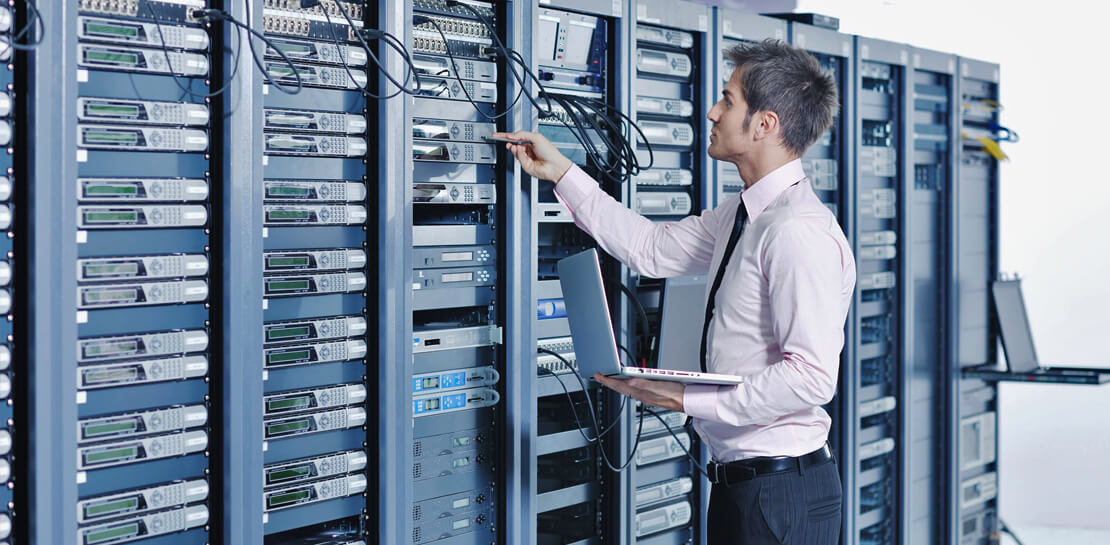
The Home Depot (THD) is the world’s largest home-improvement chain, growing to more than 2,200 stores and 700,000 products in four decades. Much of that success was driven through the analysis of data. This included developing sales forecasts, replenishing inventory through the supply chain network, and providing timely performance scorecards.
However, to compete in today’s business world, THD has taken this data-driven approach to an entirely new level of success on Google Cloud, providing capabilities not practical on legacy technologies.
The pressures of contemporary growth that drove much of the work are familiar to many businesses. In addition to everything it was doing, THD needed to better integrate the complexities in its related businesses, like tool rental and home services. It needed to better empower teams, including a fast-growing data analysis staff and store associates with mobile computing devices. It wanted to better use online commerce and artificial intelligence to meet customer needs, while maintaining better security.
Even before addressing these new challenges, THD’s existing on-premises data warehouse was under stress as more data was required for analytics and data analysts were utilizing the data with increasingly complex use cases. This drove rapid growth of the data warehouse, but also created constant challenges for the team in managing priorities, performance, and cost.
In order to add capacity to the environment, it was a major planning, architecture, and testing effort. In one case, adding on-premises capacity took six months of planning and a three-day service outage. Within a year, capacity was again scarce, impacting performance and ability to execute all the reporting and analytics workloads required. The capacity refresh cycles were shrinking, and the expecations for data were growing. There had to be a better way.
Still, THD did not take its move to the cloud lightly. A large-scale enterprise data warehouse migration involves tremendous effort among people, process, and technology. After careful consideration, THD chose Google Cloud’s BigQuery for its cloud enterprise data warehouse.
BigQuery, a scalable serverless data warehouse, was better on cost, infrastructure agility, and analytics capability, driving better insights with improved performance. There are no service interruptions when capacity is added, and that capacity can be added within a week (and soon same day). It doesn’t require complex system administration, and its standard SQL support means people can easily ramp up quickly. Valuable BigQuery products like Identity and Access Management meant THD could create many separate Google Cloud projects, while ensuring that different teams weren’t interfering with each other or accessing protected data.
THD also utilizes BigQuery’s flat-rate monthly pricing model that allows teams to budget their capacity based on need and provides billing predictability. The capacity not being used by a given project is available for enterprise use. This ensures no surprises when the monthly bill arrives and provides all analytical users access to significant computing power.
While THD’s legacy data warehouse contained 450 terabytes of data, the BigQuery enterprise data warehouse has over 15 petabytes. That means better decision-making by utilizing new datasets like website clickstream data and by analyzing additional years of data.
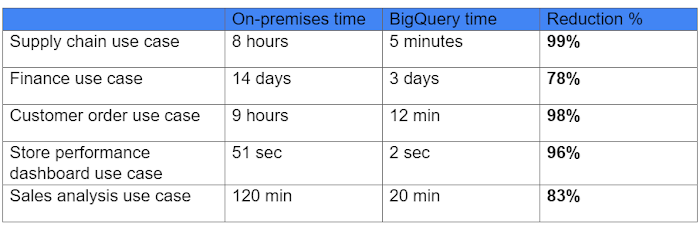
As for performance, look at this chart:
With the cloud EDW migration complete, and the legacy on-premises data warehouse retired, analysts now execute more complex and demanding workloads that they would not have been able to complete before, such as utilizing Datalab for orchestrating analytics through Python Notebooks, utilizing BigQuery ML for machine learning directly against the BigQuery data (no movement of large datasets), and AutoML to help determine the best model for predictions.
Additionally, engineers at THD have adapted BigQuery to monitor, analyze, and act on application performance data across all its stores and warehouses in real time, something that was not practical in the on-premises system.
With over 600 projects that THD now has on Google Cloud, the BigQuery story is just one of the many ways that Google Cloud is working with THD to deliver meaningful business results, every day.
More Relevant Stories for Your Company
Enterprises can Push the Limits of Edge Even Further!
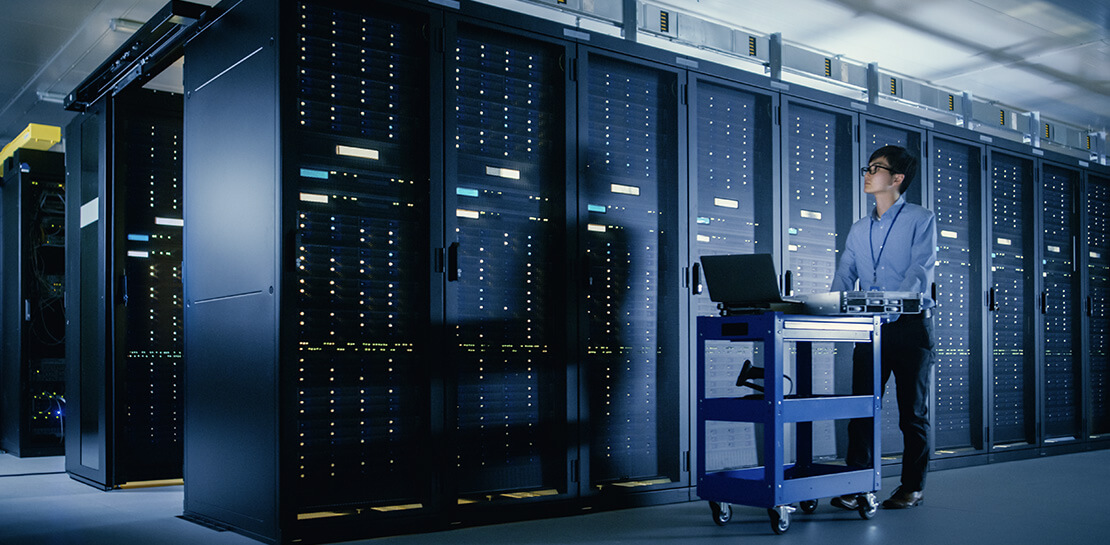
Whether with the cloud or within their own data centers, enterprises have undergone a period of remarkable consolidation and centralization of their compute resources. But with the rise of ever more powerful mobile devices, and increasingly capable cellular networks, application architects are starting to think beyond the confines of the
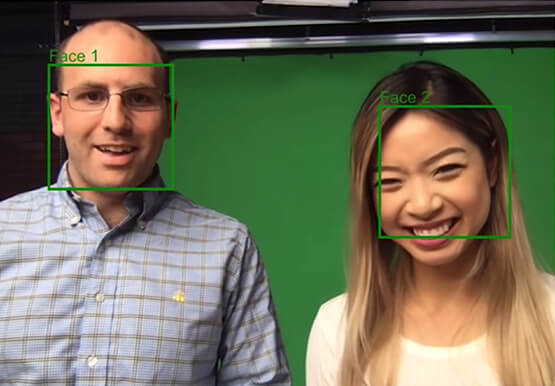


How Good Are Google’s Vision, Speech, Translation and Natural Language ML APIs?
Many companies want to be able to adopt machine learning and artificial intelligence quickly into their businesses. But it isn't always straight-forward and easy. Custom building the models and setting up and maintaining the infrastructure required for an AI project is time-consuming. That is where Google’s machine learning APIs come

Contact Center AI Platform Brings Together the Merits of AI, Cloud Scalability, CRM Integration and Multi-experiences!
Providing best-in-class customer service is crucial for the success of your business. Contact centers are a critical touch point, as they have to balance between representing your brand and prioritizing customer care. When your customers seek help and support, they expect efficient service that is accessible through modern voice and

Document AI: A Platform for Businesses to Simplify Document Automation
As I type this blog in a Google Doc, I can’t help but think about how much we rely on digital documents to communicate, collaborate, and do business. Yet most of the data in documents remains un-analyzed. Even when documents are part of customer-facing workflows like processing a mortgage application
