





3131
Of your peers have already watched this video.
19:30 Minutes
The most insightful time you'll spend today!
Becoming Future-Proof: AI-Powered Integrated Business Planning on Google Cloud
If there’s one thing that the pandemic will leave us with it’s this: A deep desire to be better prepared. Not prepared for the next possible catastrophe because that’s hard to do, but better prepared for the repercussions of such disaster.
In this video, Stephan de Barse, Executive Vice President, o9 Solutions, talks about some of the ripple effects of large-scale disruption including demand variability and supply variability.
He shares practical insights on how large retailers and manufacturers can leverage next-generation technology to improve demand forecasting, visibility, and drive a faster response while optimizing their decision-making processes.
He also shares learnings from COVID-19 as well as the critical capabilities needed by industry leaders to become more agile and resilient in the post-pandemic world.
Seven-Eleven Japan Leverages Google Cloud’s Performance and Speed for Real-time Business Insights

6832
Of your peers have already read this article.
4:00 Minutes
The most insightful time you'll spend today!
With the rise of technologies like smartphones, retailers have felt the pressure to meet evolving consumer needs and expectations. Seven-Eleven Japan(“SEJ”) has long been on the forefront of this thanks to the way they develop and invest in IT. However, in recent years, Japan’s leading convenience store chain has struggled to maintain its complex legacy systems at the rate needed to keep up with today’s rapid digitization, spurred on by the increasing proliferation of smartphones and an IT vendor-dependent structure.
Legacy systems limiting real-time responsiveness and innovation
Since its early days, SEJ has been proactive in adopting information technology, mainly relying on technology solutions from Japan’s leading vendors. But as the systems have grown, key business issues have been resolved using a vendor-dependent structure rather than being driven by SEJ’s own needs.
Datasets and business logic were combined and built into legacy environments, gradually leading to data silos. As a result, data was distributed across multiple systems, causing a variety of problems, including the inability to efficiently retrieve data when needed, delays in accessing data collected in individual stores, and difficulties taking measurements at the right time in business operations that require real-time responsiveness.
Connecting different systems also takes time and money, and the lead time for introducing new services—from planning to development and launch—has been longer than expected.
To solve these problems, SEJ’s IT department built “Seven Central”—a new platform for practical data use launched in 2020 to support the company’s future IT strategies and digital transformation initiatives.
At its core, Seven Central’s ultimate purpose is to allow real-time data views. Versatile, real-time datasets—such as point-of-sale (POS) data from 7-Eleven stores—are consolidated into a centralized location in the cloud. They created a simple data mart that provides data via an API to enable them to respond more quickly to requests from individual departments.
“In such uncertain times, it’s vital to use data to make quick decisions,” says Izuru Nishimura, Executive Officer and Head of ICT Department. “Each department across the entire company will be able to gain an immediate understanding of the situation based on the most up-to-date data and respond accordingly. This is why we built Seven Central.”
Google Cloud selected to help SEJ build and grow their data cloud
Today’s rapidly changing business environment has also highlighted the risk of IT support becoming a bottleneck. The long-term strategy is to gradually expand the datasets managed and collected in Seven Central according to business needs.
In the first phase, SEJ collected POS data from all 21,000+ stores to enable real-time analysis. Moving forward, they would like to collect other relevant data—for example, unstructured data, such as images and videos, or master datasets that are currently stored externally.
Google Cloud was already a top contender when SEJ started developing Seven Central in 2019. They compared various public cloud services besides Google Cloud, focusing on three main capabilities.
“We placed particular emphasis on service scalability to drive future digital transformation; security when handling data, which is the lifeline of our company; and finally, openness,” says Nishimura. He emphasizes that openness was perhaps the most important factor for choosing Google Cloud. Breaking away from the negative aspects of an entirely vendor-dependent system enabled them to build an agile development system with multiple vendors.
Google Cloud technologies including BigQuery and API management platform, Apigee, play a vital role in Seven Central. BigQuery’s high-speed processing at petabyte scale and fully managed infrastructure helped keep costs low during development and verification.
“Data is stored in a way that allows you to share it easily across organizations, which helps solve the issue of data silos from the perspective of scalability. I also like the fact there are some interesting features that could be used in the future—like BigQuery ML, which enables machine learning on BigQuery,” says Nishimura.
Apigee allows SEJ to separate datasets and business logic, which is one of the key points of Seven Central. While the trend these days is to standardize interfaces using an API, the reality tends to involve many different APIs rather than the introduction of one unified API. With Apigee, SEJ provides a single unified API for all of its data cloud, and they can now understand what data is used thanks to Apigee’s API usage visualizations.
“Right now, we collect data from all 21,000+ stores,” says Nishimura. “But in anticipation of a future expansion in business operations, we have designed a system that can scale up and run without issue, even if we were to have 30,000 stores, with 1,000 customers per store per day, purchasing five items per person.”
Real-time insights with BigQuery and Cloud Spanner
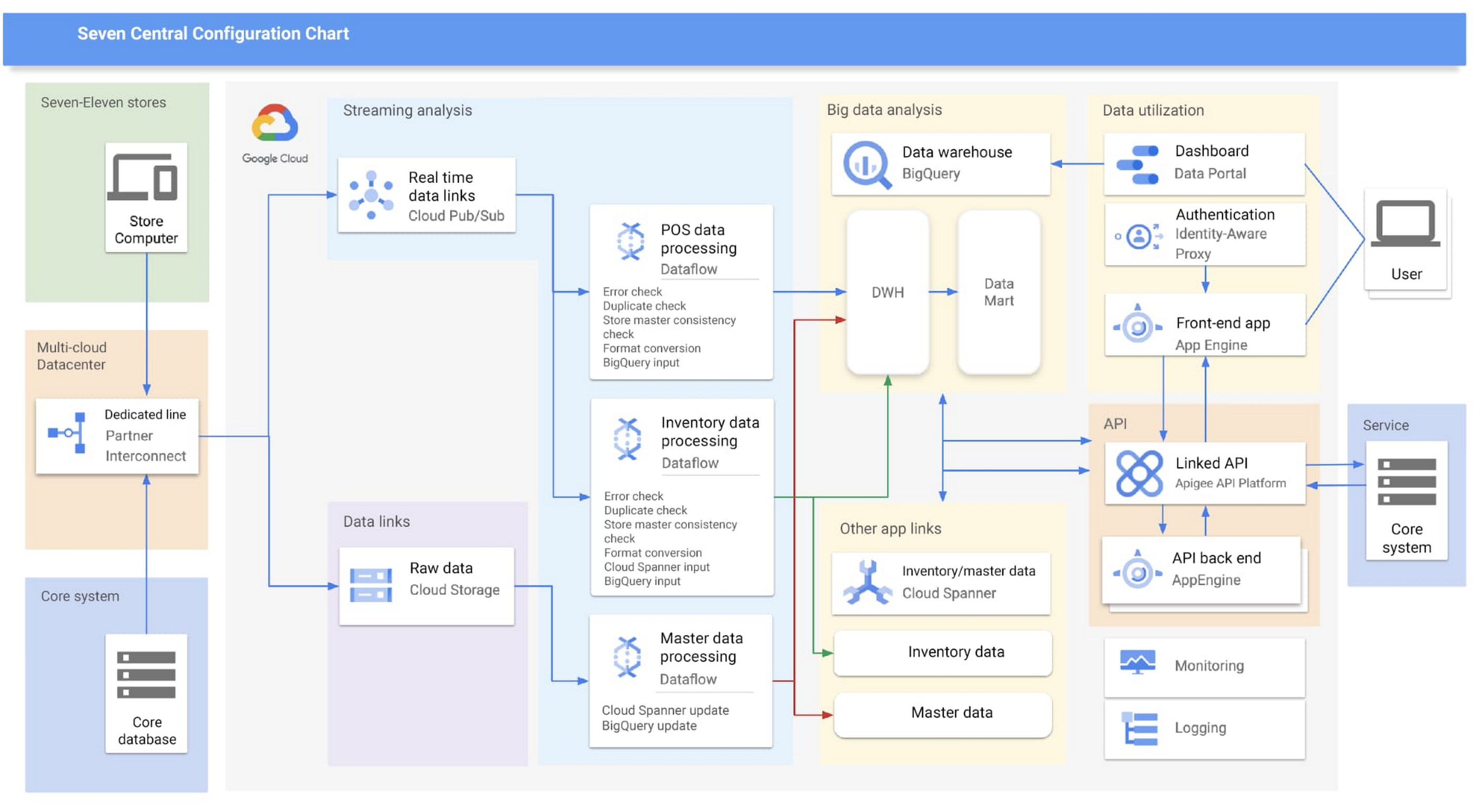
Google Cloud partner Cloud Ace came on board early in the planning phases. Based on their recommendations, SEJ decided to continue making full use of BigQuery to analyze data collected from all 21,000+ stores throughout Japan, while also using Cloud Spanner’s availability, near-unlimited scalability and transactional consistency to help achieve the real-time results needed for the project.
“Given that both the data and the regularity with which it is accessed are expected to steadily increase in the future, we chose Cloud Spanner as backend storage for data delivery via API. We consider it a good choice,” says Shota Kikuchi, General Manager, Consulting Department, Technology Division, Cloud Ace Co., Ltd.
Finally, they chose to use Google Cloud’s Stream Analytics Solutions messaging service for collecting POS data in real time, which can then be put to immediate use with Cloud Spanner and BigQuery.
High-speed responses exceed targets and create new value
Seven Central went live in September 2020 with surprising results.
They initially set a target time of one hour from when a customer makes a purchase to the point when Seven Central can use that data. But when the final system was first tried—it took barely a minute. Moving forward they estimate that the latest inventory data from the service side will become available within a few minutes of being added to the system.
“This is real innovation, and I must admit that I am quite surprised. As well as being able to solve existing issues, we also hope it will lead to new improvements and services that have been unimaginable up until now,” says Nishimura.
The team hopes to roll out the Seven Central platform in all companies affiliated with Seven & i Holdings—not just SEJ. They also plan to explore Google Cloud AI and machine learning technologies to take on challenges in new areas. For example, they are investigating the idea of clustering individual stores using BigQuery ML.
Seven Central has already attracted attention from many departments and received a lot of requests. Nishimura and his team say they hope to continue to grow Seven Central while still observing their fundamental principles—not including business logic, maintaining real-time results, and staying true to the uniqueness of SEJ.
Learn more about Google Cloud smart analytics solutions.
Empowering AI Startups: Google Cloud’s Game-Changing Benefits

1139
Of your peers have already read this article.
3:30 Minutes
The most insightful time you'll spend today!
New AI startup program benefits and Accelerator introduced at the Google Cloud Startup Summit
Google Cloud is committed to supporting the growth and advancement of startups, with particular focus on helping startups looking to build and scale. We’re seeing tremendous innovation from startups choosing Google Cloud to advance their generative AI development, thanks to our fully-managed and serverless data, AI, and infrastructure solutions. That’s why today’s Startup Summit, and announcements, are focused on AI.
Following our March 14th announcement that we were expanding the Google for Startups Cloud Program with exclusive benefits for AI startups, we’re excited to announce that the program is now live. Starting today, eligible seed to series A startups that use AI as their core technology to develop their primary products or solutions can apply here. This gives them access to all the Google for Startups Cloud Program benefits, including:
Up to $350,000 USD over two years in Google Cloud credits
For Google Cloud and Firebase usage covered in:
- Year 1: 100% up to $250,000 USD in Google Cloud credits [1] (includes standard program credits plus an additional $150,000 USD for the AI startup program)
- Year 2: 20% up to an additional $100,000 USD in Google Cloud credits
Technical & collaboration support
We’re providing credits to allow AI startups access to fast, high-quality Customer Care Enhanced Support, access to Google Cloud Startup Customer Engineers, and a dedicated Startup Success Manager to accelerate onboarding with Google Cloud. We’re also offering 12 months of free Google Workspace Business Plus for new sign-ups.
Additional AI benefits, such as access to AI experts, training, and resources include:
Webinars & live Q&A sessions
Exclusive access to join webinars and live Q&As with our Google Cloud AI product managers, engineers, and developers.
Insight into AI innovation
Direct visibility into Google Cloud’s latest AI advances and product roadmap.
Hands-on AI learning labs
Free access to advanced hands-on learning labs focused on AI/ML and the latest Google Cloud technology.
Exclusive AI ISV/Saas startup access to Built with Google Cloud AI
Access to the AI Center of Excellence, tools and training, co-marketing, and amplification on Google Cloud Marketplace. These resources have historically been available only to AI enterprise ISV/SaaS companies, but will now also be offered to ISV/SaaS startups in our program.
Dedicated AI technical guidance, workshops, and best practices
Architectural guidance and best practices to get started and build with Google Cloud AI solutions, including technical deep dives and hands-on workshops.
We’re also excited to announce an inaugural North American Google for Startups Accelerator: Cloud. This 10-week virtual Accelerator is equity-free and best suited for cloud-native startups leveraging AI and ML in their operations. Designed to help prepare for the next phase of the growth journey, participating startups will work with the best of Google’s programs, products, people, and technology. Applications are open now until May 30th and the program kicks off in July. Find out more here.
Our goal is to enable more AI-first startups and give them the technology, community, and resources they need to build and grow their startup faster, smarter, and cheaper. Furthermore, partnering with Google Cloud lets startups seamlessly integrate with other Google solutions and leverage our global infrastructure. Google Cloud’s AI platform, Vertex AI, gives startups the intelligence they need to make smart business decisions and allows them to easily build, deploy, and scale machine learning (ML) models faster. They can also quickly build with Google Cloud’s advanced generative AI technologies or use our best-in-class speech, vision, translation, and language APIs. To learn more about Google Cloud’s recently-announced Generative AI Support in Vertex AI, check out this deep dive, and to keep up with Google Cloud’s latest generative AI news and thought leadership, read The Prompt on Transform with Google Cloud.
Startups around the world are choosing Google Cloud. Join us and let’s build the future, together.
6330
Of your peers have already watched this video.
2:00 Minutes
The most insightful time you'll spend today!
Google Cloud’s ML-based Image Classification App: A Key to Global Wildlife Conservation
Wildlife provides critical benefits to support nature and people. Unfortunately, wildlife is slowly but surely disappearing from our planet and we lack reliable and up-to-date information to understand and prevent this loss. By harnessing the power of technology and science, we can unite millions of photos from [motion sensored cameras] around the world and reveal how wildlife is faring, in near real-time…and make better decisions
wildlifeinsights.org/about
Costa Mesa Sanitary District Demonstrates How Public Utilities Can Leverage ML for Management and Upkeep of Manholes

3082
Of your peers have already read this article.
2:00 Minutes
The most insightful time you'll spend today!
Local governments are embracing more modern and scalable ways to support their communities. In an effort to save both time and money, Costa Mesa Sanitary District (“CMSD”) used machine learning to automate and streamline manhole maintenance. Manhole maintenance is an essential part of the upkeep of cities. Manholes provide critical access points for underground public utilities, allowing inspection, maintenance, and system upgrades. But failure to upkeep manholes can cause a multitude of problems, from road hazards to sewer blockages, and can make it difficult for workers to access underground public utilities, which can lead to other safety issues. Manhole maintenance is an essential part of Costa Mesa Sanitary District maintenance, but this process requires the work of an outside consultant and costs the CMSD over $100,000.
ML to the rescue
CMSD, in collaboration with SpringML and Google Cloud, developed a project to streamline manhole maintenance by leveraging the power of machine learning (ML) to detect sewer manholes and rate their conditions. This solution saves CMSD $40,000 every year, freeing up funds for other public service projects.
Every quarter, one member of the CMSD drives a car outfitted with a GoPro camera. This car travels through the entire District area, which includes the city of Costa Mesa and small portions of Newport Beach, CA, which is about 218 street miles, and records the roads to detect approximately 5,000 manholes. At the end of the recording day, CMSD members transfer images and videos from the GoPro SD card into a local server. Then these files are automatically ingested into Google Cloud Storage for processing. From here, the machine learning algorithms detect which manholes need repair.
Google Cloud products are used throughout this project. Once the images and videos are in Google Cloud Storage, a workflow with Cloud Scheduler spins up the VM every night to detect if there are new videos on Cloud Storage. If there are, this triggers cloud machine learning, which reviews the numerous images and videos, rates each manhole, and determines if any require maintenance.
Machine learning to detect and grade manholes
SpringML applied a very systematic approach to detecting and grading the manholes. First, image processing ensures that the region of interest is only the section of the road in front of the vehicle to avoid any privacy concerns. Then SpringML applied a 5-step process using machine learning to detect and grade the manholes.
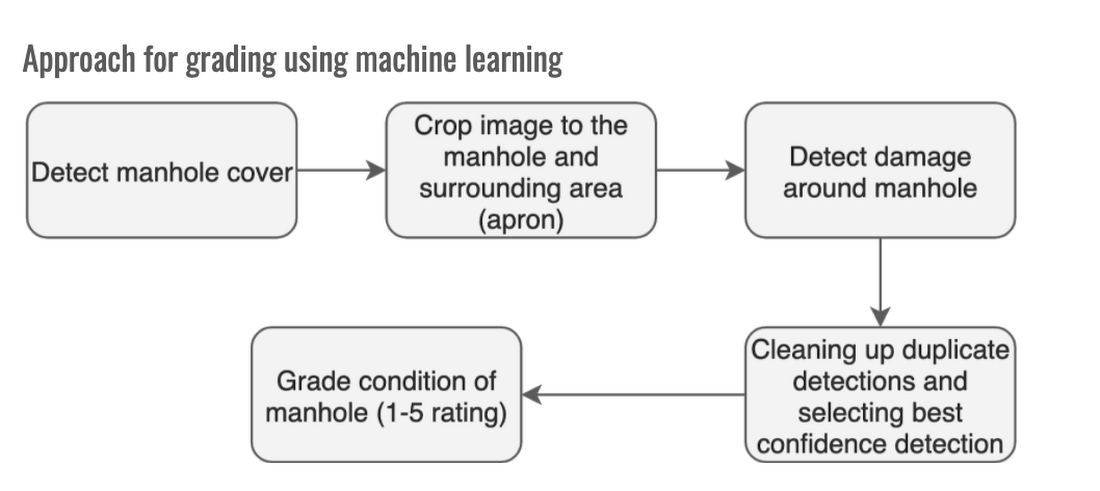
- SpringML developed two separate custom TensorFlow-based Mask R-CNN models. Mask-R-CNN is a deep neural network that is used for image segmentation tasks, which means it can separate different objects in an image or a video.
The first Mask-R-CNN model was created to accurately detect if an image showed a manhole cover. This was a critical step because sewer manhole covers look similar to water main covers. To make the model accurate, it was important that there be no false positives. SpringML used around 50 images of sewer manholes and other images to train and validate that the algorithm could successfully detect sewer manhole covers. - Once a manhole is accurately detected, the surrounding area is masked using image processing to focus on the manhole and then the cropped images are sent to the second model which is used to detect damage in the area around the manhole, called the apron. To reduce the processing time, the second model only does the inference if a manhole cover is detected.
- The second Mask-R-CNN model uses CMSD Guidelines to decide what types of damage contributed to the rating system. For training purposes, SpringML uses a TensorFlow-Keras inside a Virtual Machine on Google Cloud. The initial model was trained and the Keras weights were saved on Google Cloud Storage. This helped create a versioned system of the models as the model gets refined over time.
- Then, duplicated detections are cleaned up to have a unique detection for each manhole cover.
- Finally, Manholes are graded from a 1-5 rating, with 5 representing high damage and 1 representing low damage.
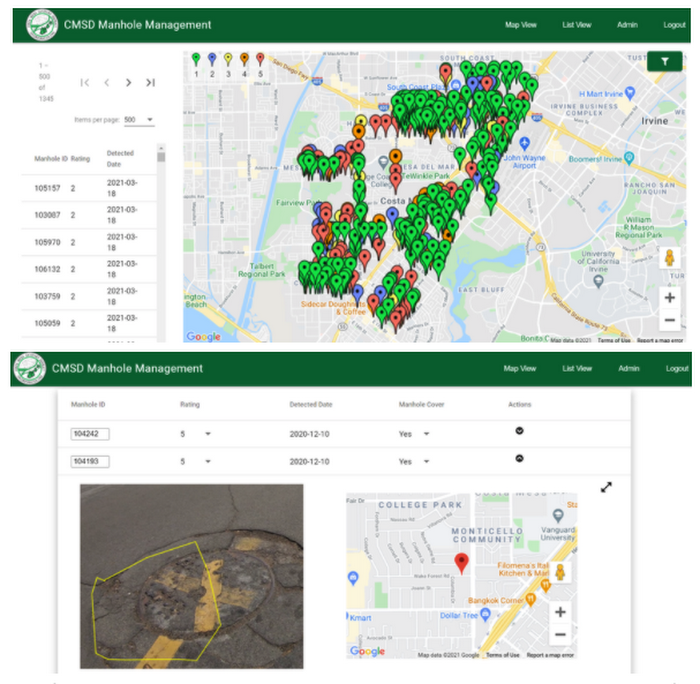
Once cloud machine learning has analyzed the new videos and images, the final scores are stored in BigQuery. Results are then served to members of CMSD via a simple web application where they can see which manholes need to be maintained. Two staff members review the ML results and determine priorities for repairs. One of the most interesting features of this project is that the model gets continually retrained based on feedback submitted in the web application. For example, if the model inaccurately detects a manhole, a member of CMSD can mark that in the web application and their feedback is immediately used to refine the model.
This solution shows how leveraging machine learning can streamline a necessary local government project and save money and labor while being highly scalable! Not only does this system streamline the manhole maintenance process, but it also allows for more frequent review of manhole conditions and provides a historical view of how the District’s manholes change over time.
Want to learn more about Google Cloud machine learning? Check out this tutorial to learn TensorFlow and Keras and check out more machine learning tools in our AI Platform.
2,602 Uses of AI for Social Good, and What We Learned from Them
5250
Of your peers have already read this article.
12:30 Minutes
The most insightful time you'll spend today!
For the past few years, we’ve applied core Google AI research and engineering to projects with positive societal impact, including forecasting floods, protecting whales and predicting famine. Artificial intelligence has incredible potential to address big social, humanitarian and environmental problems, but in order to achieve this potential, it needs to be accessible to organizations already making strides in these areas. So, the Google AI Impact Challenge, which kicked off in October 2018, was our open call to organizations around the world to submit their ideas for how they could use AI to help address societal challenges.
“Accelerating social good with artificial intelligence” sheds light on the range of organizations using AI to address big problems. It also identifies several trends around the opportunities and challenges related to using AI for social good. Here are some of the things we learned—check out the report for more details.
AI is globally relevant
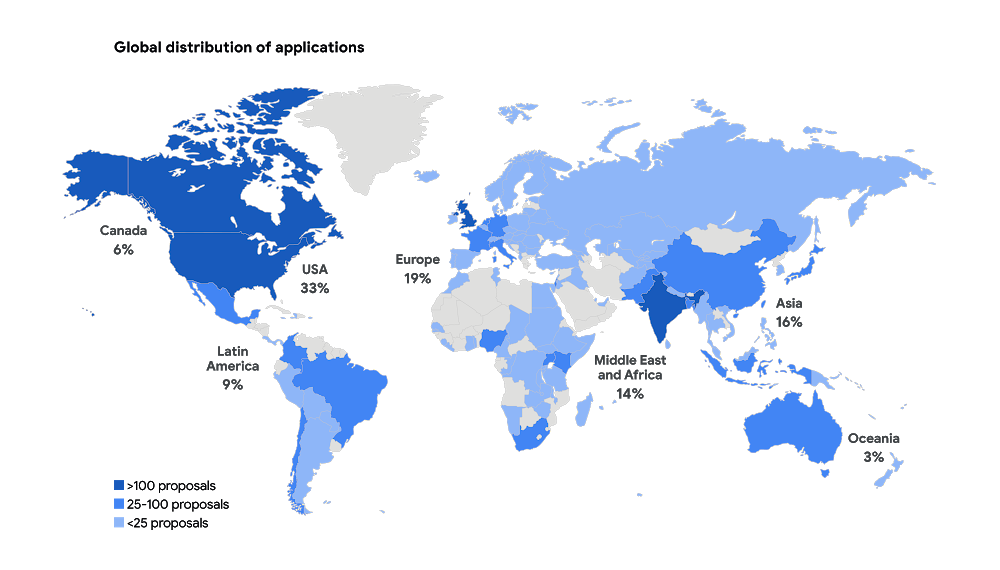
We received 2,602 applications from six continents and 119 countries, with projects addressing a wide range of issue areas, from education to the environment. Some of the applicants had experience with AI, but 55 percent of not-for-profit organizations and 40 percent of for-profit social enterprises reported no prior experience with AI.
Similar projects can benefit from shared resources
When we reviewed all the applications, we saw that many people are trying to tackle the same problems and are even using the same approaches to do so. For example, we received more than 30 applications proposing to use AI to identify and manage agricultural pests. The report includes a list of common project submissions, which will hopefully encourage people to collaborate and share resources with others working to solve similar problems.
You don’t need to be an expert to use AI for social good
AI is becoming more accessible as new machine learning libraries and other open-source tools, such as Tensorflow and ML Kit, reduce the technical expertise required to implement AI. Organizations no longer need someone with a deep background in AI, and they don’t have to start from scratch. More than 70 percent of submissions, across all sectors and organization types, used existing AI frameworks to tackle their proposed challenge.
Successful projects combine technical ability with sector expertise
Few organizations had both the social sector and AI technical expertise to successfully design and implement their projects from start to finish. The most comprehensive applications established partnerships between nonprofits with deep sector expertise, and academic institutions or technology companies with technical experience.
ML isn’t the only answer
Some problems can be addressed by using alternative methods to AI—and result in faster, simpler and cheaper execution. For example, several organizations proposed using machine learning to match underserved populations to legal knowledge and tools. While AI could be helpful, similar results could be achieved through a well-designed website. While we’ve seen the impact AI can have in solving big problems, you shouldn’t rule out more simple approaches as well.
Global momentum around AI for social good is growing—and many organizations are already using AI to address a wide array of societal challenges. As more social sector organizations recognize AI’s potential, we all have a role to play in supporting their work for a better world.
More Relevant Stories for Your Company


Driving Business Transformation in Healthcare Using Google Cloud and AI/ML
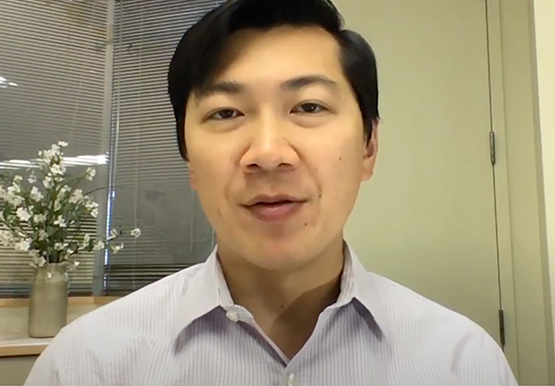
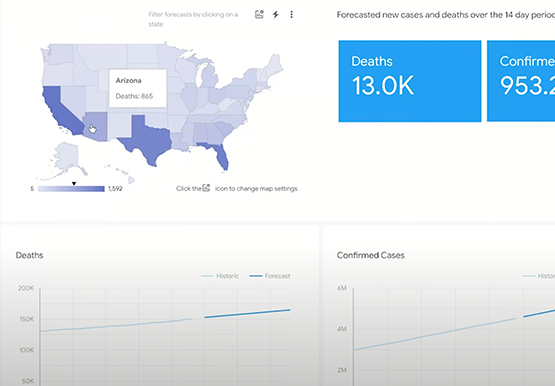
Before the COVID-19 pandemic, when you thought of healthcare and AI, a number of ideas sprang to mind. But the world, especially as it relates to healthcare has seen a completely different type of transformation as a result of COVID-19. This video is about how Google Cloud is helping organizations

Dataflow Guarantees 50+% Increase in Developer Productivity and Infrastructure Cost Savings: Read More
In our conversations with technology leaders about data-driven transformation using Google Data Cloud - industry’s leading unified data and AI solution - , one important topic is incorporating continuous intelligence to move from answering questions such as “What has happened? to questions like “What is happening?” and “What might happen?”.

Discover Gen App Builder: Transform Search and Conversational Experiences Through Generative AI
If you’ve been exploring recently-launched consumer generative AI tools like Bard and thinking about how to build similar experiences for your business, Generative AI App Builder, or Gen App Builder for short, is here to get you started.Gen App Builder is part of Google Cloud’s recently announced generative AI offerings and lets developers,

4 Methods How AI/ML Boosts Innovation and Reduces Costs
“Cloud Wisdom Weekly: for tech companies and startups” is a new blog series we’re running this fall to answer common questions our tech and startup customers ask us about how to build apps faster, smarter, and cheaper. In this installment, we explore how to leverage artificial intelligence (AI) and machine
