





An Expert’s Guide to Productivity and Well-being while Embracing WFH and Hybrid Style

4399
Of your peers have already read this article.
1:30 Minutes
The most insightful time you'll spend today!
Driving impact over output in a new era of work
As Google’s productivity advisor, I spend a lot of time coaching executives on ways they can make the most of their work day. Over the years, people have come to me with very different ideas about what productivity is, why it matters, and how to achieve it. Often, they think it’s about extracting every last ounce of output from a day—likely because the idea of productivity comes from economics and is most closely associated with factory conveyor belts and efficiency.
My definition of personal productivity is different. It’s less about getting as much as you can out of each day and more about achieving the things you set out to accomplish and making an impact.
Productivity is grounded in understanding yourself as a whole person. What makes you happy at work and outside of work? What are your natural rhythms and peak times for creativity, focus, or efficiency? When are you most engaged in meetings? What makes you feel unstoppable when responding to emails? And when do you need to take a break, do some uninterrupted thinking, or deepen social connections with your colleagues?
When people don’t understand these aspects of productivity, they struggle to make an impact—no matter how well they manage their calendars and inboxes.
During the global pandemic, we’ve realized the importance of sustaining the wellbeing of ourselves and our families, setting healthy boundaries, and bringing intention to the work day. Among those lucky enough to have the flexibility to work from home, many had to juggle new obligations, from homeschooling to caregiving. And without a solid plan in place, people often found themselves working longer hours and facing burnout.
Now, even as the pandemic enters new and unforeseen phases, many organizations are gearing up for a hybrid work model, Google included. As we make those plans, it’s important that people take a fresh look at personal productivity and plan to maximize wellbeing and impact across all the places they work.
I developed this new guide with these challenges in mind. It gathers up all my best productivity and wellbeing tips from over the years, including how to:
- Rethink your time and your calendar
- Transform your inbox
- Make meetings more meaningful
- Bring productivity and wellbeing together
As we embrace new ways—and places—of working, all these areas feel more important than ever.
Download The Google Workspace guide to productivity and wellbeing.
6359
Of your peers have already watched this video.
2:15 Minutes
The most insightful time you'll spend today!
What’s Google Cloud Firestore Database and What are its Benefits for Business and Developers?
Cloud Firestore is a NoSQL document database that simplifies storing, syncing, and querying data for your mobile and web apps at global scale.
Cloud Firestore is a fast, fully managed, serverless, cloud-native NoSQL document database that simplifies storing, syncing, and querying data for your mobile, web, and IoT apps at global scale.
Its client libraries provide live synchronization and offline support, while its security features and integrations with Firebase and Google Cloud Platform (GCP) accelerate building truly serverless apps.
Here’s other stuff it’s good at:
Sync data across devices, on or offline
With Cloud Firestore, your applications can be updated in near real time when data on the back end changes. This is not only great for building collaborative multi-user mobile applications, but also means you can keep your data in sync with individual users who might want to use your app from multiple devices.
With Firebase Realtime Database, we felt we had built the best force-plate testing software on the market. Thanks to Cloud Firestore, in only two weeks, we built a system that’s significantly better and includes features we never thought possible to ship on Day 1.
Chris Wales, CTO, Hawkin Dynamics
Cloud Firestore has full offline support, so you can access and make changes to your data, and those changes will be synced to the cloud when the client comes back online. Built-in offline support leverages local cache to serve and store data, so your app remains responsive regardless of network latency or internet connectivity.
Simple and effortless
Cloud Firestore’s robust client libraries make it easy for you to update and receive new data while worrying less about establishing network connections or unforeseen race conditions. It can scale effortlessly as your app grows. Cloud Firestore allows you to run sophisticated queries against your data. This gives you more flexibility in the way you structure your data and can often mean that you have to do less filtering on the client, which keeps your network calls and data usage more efficient.
Enterprise-grade, scalable NoSQL
Cloud Firestore is a fast and fully managed NoSQL cloud database. It is built to scale and takes advantage of GCP’s powerful infrastructure, with automatic horizontal scaling in and out, in response to your application’s load. Security access controls for data are built in and enable you to handle data validation via a configuration language.
3464
Of your peers have already watched this video.
20:00 Minutes
The most insightful time you'll spend today!
Managing Change in an SAP World
Change is a constant for SAP customers. Now more than ever, SAP customers need solutions that provide them business agility, rock solid availability, enhanced security, and true economic value.
Learn how Google Cloud can guide your SAP journey to the cloud with simple and no cost migrations, powerful infrastructure, and innovation technologies that you can take advantage of today. Hear examples of SAP customers who have deployed on Google Cloud and the game changing results they are realizing.
Learning Should be Your Resolution for 2022: Register for Google Cloud Skills Boost

3275
Of your peers have already read this article.
1:30 Minutes
The most insightful time you'll spend today!
Start your 2022 New Year’s resolutions by learning at no cost how to use Google Cloud with the following training opportunities:
30 day access to Google Cloud Skills Boost
Register by January 31, 2022 and claim 30 days free access to Google Cloud Skills Boost to complete the Getting Started with Google Cloud learning path.
Google Cloud Skills Boost is the definitive destination for skills development where you can personalize learning paths, track progress, and validate your newly-earned expertise with skill badges.
The Getting Started with Google Cloud learning path will give you the opportunity to earn three skill badges after you complete hands-on labs and courses designed for aspiring cloud engineers and architects. It covers the fundamentals of Google Cloud including core infrastructure, big data and ML, writing gcloud commands, using Cloud Shell, deploying virtual machines, and running containerized applications on GKE.
Cloud OnBoard: half day training on getting started with Google Cloud fundamentals
Attend the Getting Started Cloud OnBoard on January 20 for a comprehensive Google Cloud orientation. Google Cloud experts will show you how to execute your compute, available storage options, how to secure your data, and available Google Cloud managed services.
Cloud Study Jam: expert-guided hands-on lab
Google Cloud experts will walk you through a hands-on lab included in Google Cloud Skill Boost’s Getting Started with Google Cloud learning path when you join our Cloud Study Jam on January 27. Google Cloud experts will also answer questions live via chat during this event.
Digital Maturity in Higher Ed Tied to Improvements in Students’ Journey: Study

5120
Of your peers have already read this article.
3:00 Minutes
The most insightful time you'll spend today!
Why Higher Ed Needs to Go All-in on Digital
In the wake of the COVID-19 pandemic, the majority of students within the 18-24-year-old demographic now expect hybrid learning environments–even once we are beyond the pandemic. And a vast number of adult learners are seeking options that accommodate their work and family lives now that it’s clear that effective learning can indeed occur virtually. Implementing cloud technologies and achieving digital maturity within higher education will enable institutions to be innovative and responsive to evolving student preferences, while being prepared for future disruptions.
The state of digital maturity
In February and March 2021, Boston Consulting Group (BCG), in partnership with Google, surveyed U.S. higher education leaders on their views of the state of digital maturity in the higher education sector. This survey found that institutional and technology leaders strongly agreed that moving legacy IT systems to the cloud, centralizing and integrating data, and increasing the use of advanced analytics is necessary to make a successful digital transformation, and ultimately achieve digital maturity.
But what is digital maturity? Digital maturity—a measure of an organization’s ability to create value through digital delivery—focuses on three areas of technological advancement that drive large-scale innovation:
- Using cloud infrastructure
- Expanding access to data
- Using that data to improve processes through advanced analytics, such as Artificial Intelligence and Machine Learning (AI/ML)
Although university leaders agree on prioritizing digital maturity, more than 55% said they considered their schools to be “digital performers” or “digital leaders.” However, only 25% of tech leaders at these universities stated that their schools regularly use data analytics. As with corporations and governments, higher education institutions face barriers to technological innovation, such as:
- Competing priorities to meet step-change goals and decentralized decision making
- Budget constraints
- Cultural resistance to change
- Tech staff skillset gaps
Still, leaders understand that the way to overcome institutional inertia is with a strong, goal-oriented vision of what is best for the institution overall. Although only a handful of schools have reached digital maturity as we define it, others can learn a great deal from their examples. Here are the top takeaways from higher education leaders who successfully transformed their institutions:
Digital solutions can improve the student journey in many ways
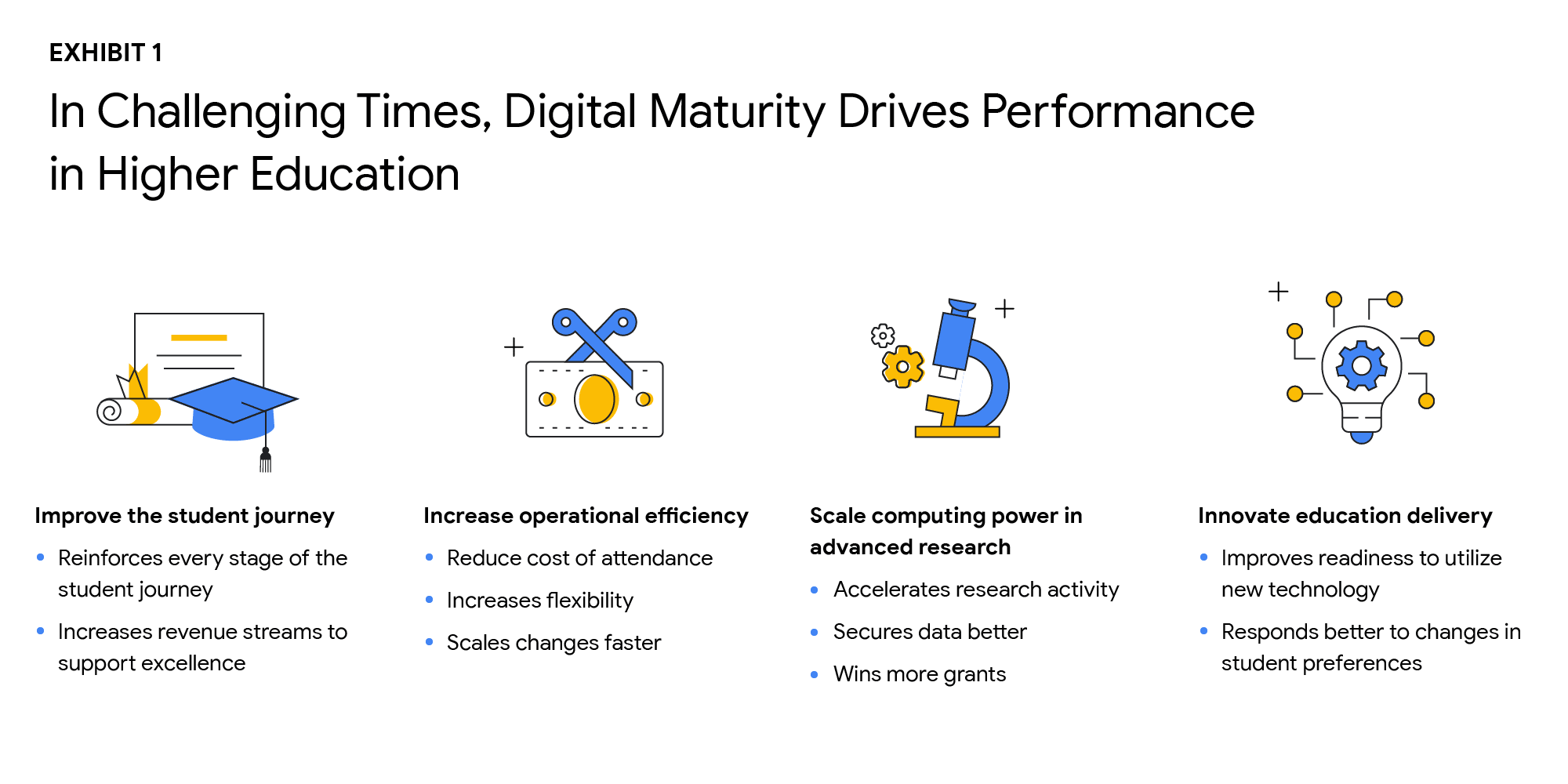
As digital capabilities hold the key to dealing effectively with declining enrollment and rising costs, higher ed leaders identified four goals that are critical to improving performance:
- Improve the student journey
- Increase operational efficiency
- Scale computing power in advanced research
- Innovate education delivery
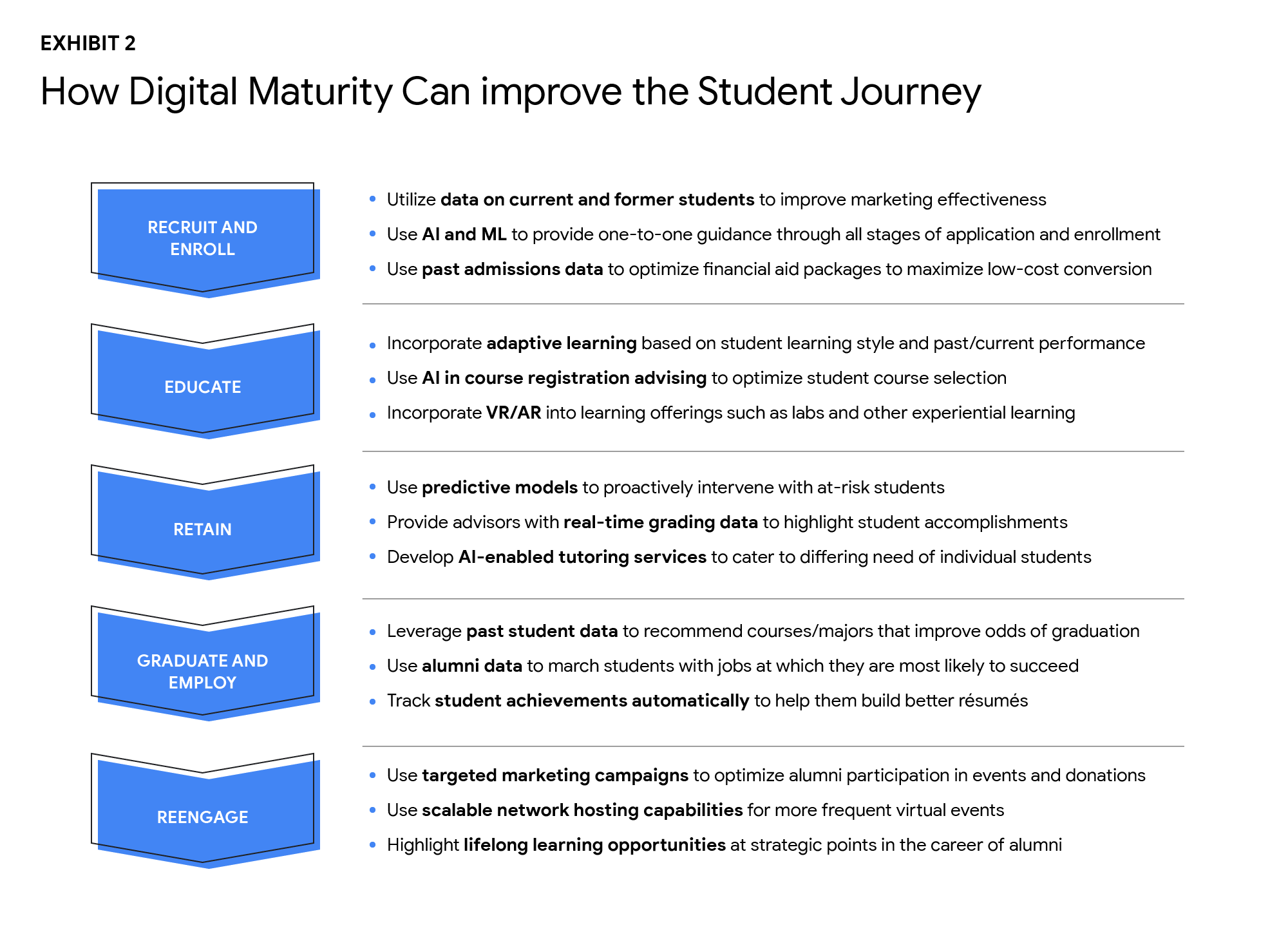
The research found that technology investments can help enhance the student journey in the recruiting and retention of students, improving digital education delivery, government funding, and donations from alumni. Digital maturity can make institutions more agile and efficient in delivering education that aligns with the changing societal norms, evolving student preferences, and future disruptions. Survey participants shared that they plan to increase the use of the cloud by more than 50% over the next three years. By shifting legacy IT systems to the cloud, institutions can increase scalability, lower the cost of ownership, and improve operational agility, while offering a more secure, long-term data storage solution.
Cloud-native software-as-a-service (SaaS) solutions provide an excellent platform for centralizing data. However, institutions that attempt to “lift and shift” their legacy systems to the cloud may encounter challenges to achieving measurable improvements in data integration and cost reduction. Higher ed leaders must realize that centralizing data and transitioning to the cloud do not happen simultaneously.
Leaders who are able to articulate a strong vision and commitment will experience a more successful technology transformation. By linking their vision to specific needs, such as more effective recruiting, leaders will find their technology investments will have a more substantial return. University presidents should base their decisions about which systems to move, when, and how on desired performance outcomes.
Big visions become a reality with small steps. Small pilot projects are an excellent way to start the journey toward digital maturity. Small steps toward a significant transformation can reduce resistance to change, build positive momentum, and produce better student outcomes. Read the full report here. If you’d like to talk to a Google Cloud expert, get in touch.

3199
Of your peers have already downloaded this article
1:30 Minutes
The most insightful time you'll spend today!
Over the last year, the Indian retail space has significantly strengthened its digital maturity. The industry is pacing towards better customer engagements, acquisitions and personalized experiences. With one-third of retailers leading the way, there are massive opportunities for digital participants to fast-track transformation.
Read this infographic to see how retailers are adopting technology to drive innovation.
More Relevant Stories for Your Company




L’Oréal: Managing Big-data Complexity with Google Cloud
L’Oreal is a global company with a presence in 150 countries worldwide. Between managing all of its brands and requirements for different countries, L’Oreal looks to data to make insightful business decisions. How does L’Oreal unify its data across all its systems and databases? How does L’Oreal make the data
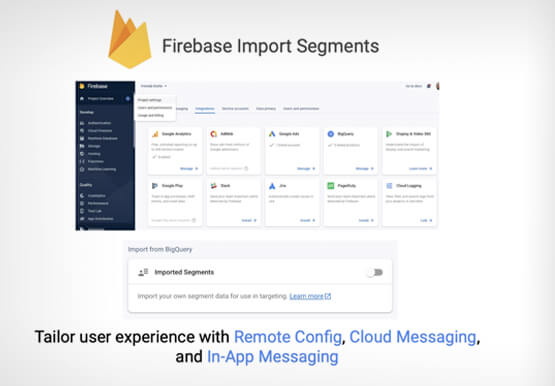
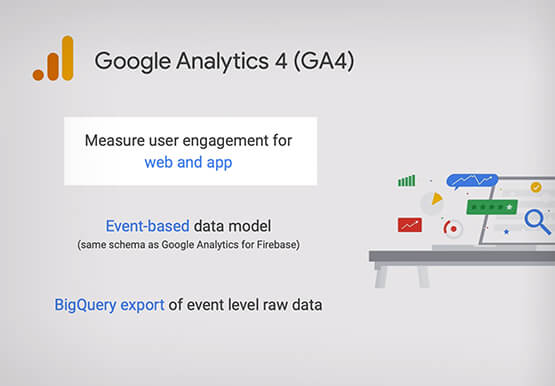
Predict User Churn on Gaming Apps with Google Analytics Data using BigQuery ML
User retention can be a major challenge for mobile game developers. According to the Mobile Gaming Industry Analysis in 2019, most mobile games only see a 25% retention rate for users after the first day. To retain a larger percentage of users after their first use of an app, developers can

Google and Fervo Agreement to Shape-up Plans for 24/7 Carbon-free Energy by 2030
When Google announced our plan to go beyond purchasing renewable power for 100% of our energy usage and operate on 24/7 carbon-free energy by 2030, we noted that achieving this goal will require new transaction structures, advancements in clean energy policy, and innovative new technologies. Today, we’re pleased to announce that one of

MIT Cloud Security Confidence Report: An Evolution Worth Noting
The age of unthinking fears about cloud security is over. Not only is cloud adoption rising steadily across geographies, industries and job functions, but confidence in cloud security is rising as well — to the point where increased security is a major reason enterprises opt for cloud solutions. Gone are
