





IT Leaders are Prioritizing Organizations’ Sustainability Goals: Study Finds

5151
Of your peers have already read this article.
2:00 Minutes
The most insightful time you'll spend today!
The global-wide interruptions of the coronavirus pandemic provided the opportunity for businesses to take a closer look at how we work, learn, live, and consume. With work stoppages and quarantine orders in place, carbon emissions and pollution levels saw significant reductions, highlighting how business and environmental sustainability are linked. As the world returns to work, businesses need to adjust to the new reality and make decisions that will ensure the continuing sustainability of our planet.
Understanding the need for sustainability
A recent Google-commissioned study by IDG, based on a global survey of more than 2,000 IT decision-makers, illustrated the importance of sustainability for organizations’ IT departments while also revealing that significant work is needed before businesses meet their sustainability goals. The good news is that ninety percent say that sustainability is a priority of their IT department and as more organizations consider the benefits of digital transformation and cloud migration, 75% report that sustainability is a “must-have” or “major consideration” when evaluating cloud providers.LEARN MOREIT Leaders Research ReportWhat are the biggest IT priorities in 2021? Explore insights from a survey of 2,000 Senior IT leaders conducted by IDG, in collaboration with Google Cloud.
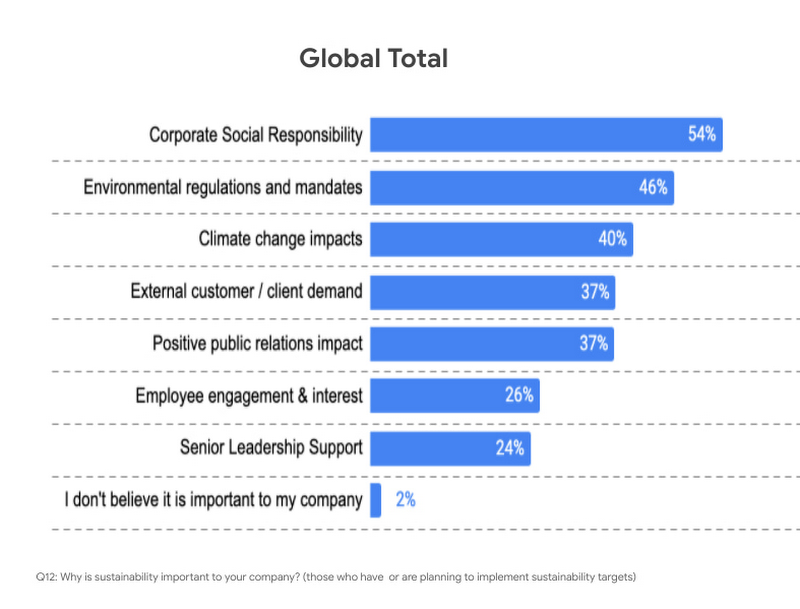
Businesses face both internal and external pressures to reform their practices and processes to meet new targets around sustainability, and IT leaders have an important role to play in that effort. Specifically, 54% said sustainability initiatives were important to their companies because of corporate social responsibility, 46% said it was because of environmental regulations and mandates, and 40% said it was due to the climate change impacts.
The research also examined the areas where IT leaders are looking to make positive changes for sustainability in their organizations. Not surprisingly, 62% said in their IT infrastructure and data centers, 53% their supply chain, and 46% in their facilities and building operations.
Facing the obstacles to progress
However, for many organizations, behaviors lag intent. Only 67% actually have environmental sustainability targets in place. The gap between behavior and intent widens when looking at digitally forward vs. digitally conservative organizations. For the purposes of the study, digitally forward companies were defined as either digital natives or those with a digital strategy and implementation in place. Digitally conservative organizations either have no strategy in place, or are in the process of considering or planning digital transformations, but haven’t reached the stage of implementation.
The study revealed that digital natives embracing cloud solutions were more likely than more conservative organizations to demonstrate a commitment to sustainability. Twenty percent of digital natives are implementing IT initiatives to reduce emissions to become more environmentally sustainable, while only 10% of digitally conservative organizations have done so.
When considering the effects of the COVID-10 pandemic, 20% of respondents from digital conservative organizations delayed or cancelled initiatives around reducing emissions to become more environmentally sustainable compared to only 12% for digitally forward respondents.
Sustainability is in our DNA
Sustainability has been a core value for Google since our inception. We were the first major company to become carbon neutral in 2007 and we were the first major company to match our energy use with 100 percent renewable energy in 2017 — and have continued to do so every year since. We are proud to operate the cleanest global cloud in the industry, and we’re the world’s largest corporate purchaser of renewable energy. It is this commitment that makes Google the leading choice for organizations with sustainability initiatives.
To learn more about the IDG findings and how IT leaders are implementing sustainable solutions, download the full report.
Interested in how Google Cloud’s commitment to providing sustainable solutions can help IT leaders and their organizations meet their own sustainability targets?
Google is focused on enhancing our products to help billions of people take action to reduce their environmental footprint.
- Google creates tools and invests in technology that will foster a carbon-free future for everyone and reduce carbon footprints.
- Google Cloud is the only major cloud provider to purchase enough renewable energy to cover our entire operations, enabling us to operate the cleanest cloud in the industry.
- When running on Google Cloud, an organization’s usage is net carbon neutral, and the electricity used to power workloads is matched 100% with renewable energy.
Looking for more? Check out our blog that introduces the Google Cloud Region Picker, which helps organizations choose a Google Cloud region based on carbon footprint, price, and latency.
Cloud Bigtable brings database stability and performance to Precognitive

5735
Of your peers have already read this article.
3:40 Minutes
The most insightful time you'll spend today!
At Precognitive, we were able to start with a blank technology slate to support our fraud detection software products. When we started building the initial version of our platform in 2017, we had some decisions to make: What coding language to use? What cloud infrastructure provider to choose? What database to use? The majority of the decisions were straightforward, but we struggled to decide upon a database. We had plenty of collective experience with relational databases, but not with a wide-column database like Cloud Bigtable—which we knew we’d need to scale our behavior and device workloads. At launch, our products were supported by a self-managed database, but we quickly migrated to Cloud Bigtable, and we love it.
To efficiently support our bursty, real-time fraud detection workloads, we needed a cloud database that could satisfy the following key requirements:
- Stability to keep up with increased adoption of our products
- Intelligent scaling that avoids bottlenecks
- Native integrations with BigQuery and Cloud Dataproc
- Managed services that free up our engineers’ time to work on our products
Adding Cloud Bigtable as our performance database
As we scaled our services and added customers, our data collection services for our Device Intelligence and Behavioral Analytics products were seeing thousands of events per second. Cloud Bigtable provided a stable managed database that could handle the volume we were receiving during peak hours. We weren’t always able to handle this scale, as an early version of our product utilized a self-managed database.
Every month, two or three engineers spent hours managing the database instances. Whenever the instances crashed, it would cost at least one engineer a day or two of productivity attempting to restore the instances and recovering any data from our backup database. Managing this database internally was taking precious time away from product development.
We circled back to Cloud Bigtable. After two weeks of R&D, we decided to switch the Device Intelligence and Behavioral Analytics services to Cloud Bigtable.
Cloud Bigtable solved our scaling issues. Cloud Bigtable had been attractive to us from the start because it was fully managed, and offered regional replication and other features we were lacking in our own managed instances. Cloud Bigtable provides horizontal scaling and automatically rebalances row keys (equivalent to a shard key) over time to prevent “hot” nodes. In addition, Cloud Bigtable provides a connector to BigQuery and Cloud Dataproc that allows us to analyze the terabytes of data we are processing and use that data for unsupervised machine learning.
The perks of using Cloud Bigtable
After the migration to Cloud Bigtable, we noticed a number of additional benefits: improved I/O performance, a significant cost reduction, and a sizable decrease in hours spent on database maintenance.
We measured some of our typical metrics before and after implementing Cloud Bigtable. Our request latency dropped by about 30 ms on average (to sub-10 ms) for API requests. Prior to the change, we were seeing latencies of 40+ ms on average. This latency drop on our Behavioral Analytics and Device Intelligence products allowed us to trim about an additional 10 to 15 ms off our average response time across all dependent services.
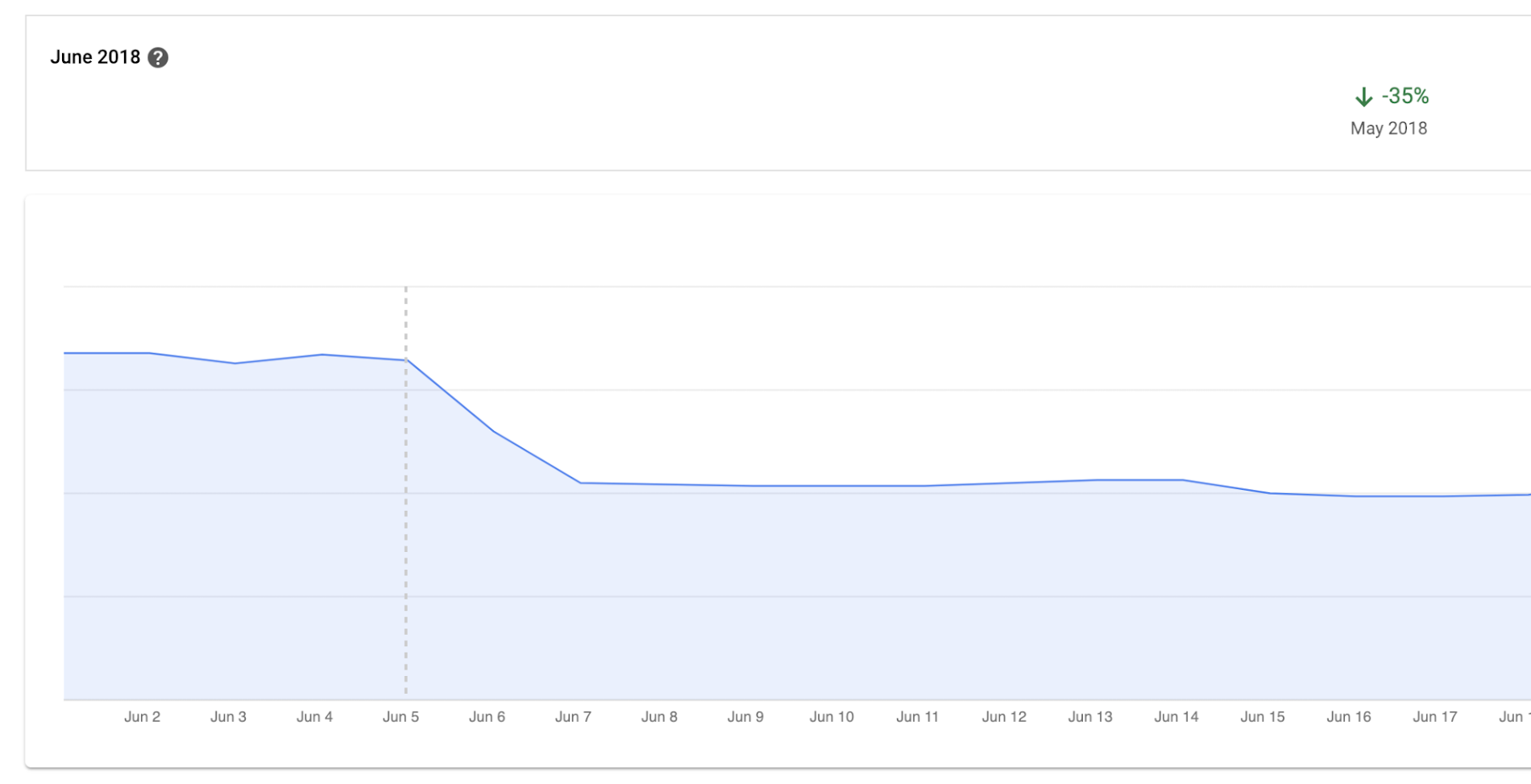
Before we moved to Cloud Bigtable, we had to scale our database instances every time a new customer was onboarded. We were over-scaling in an attempt to avoid constantly resizing our database servers. By sunsetting our self-managed database and switching to Cloud Bigtable, we cut database infrastructure costs by approximately 35% and can now scale as needed, with a couple of clicks, during onboarding.
We have spent zero hours managing a Cloud Bigtable database since launch, and we put the time we are saving every month toward product development.
Moving forward with Cloud Bigtable
As an engineering team, we love working with Cloud Bigtable. We are not only seeing improved developer experience and reduced latency, which keeps the engineers happy, but also reduced costs, which keeps the business happy. We’re able to build more product, too, with the time we’ve saved by switching to Cloud Bigtable. Stay tuned to our engineering blog for more on the lessons we’ve learned and our contributions to the wider Cloud Bigtable community.
Simplifying Payments for SMBs: Helcim’s Transformational Approach
1469
Of your peers have already read this article.
6:00 Minutes
The most insightful time you'll spend today!
Small and medium-sized businesses and enterprises are the backbone of the US economy generating more than 44% of GDP1. Yet these organizations are still underserved when it comes to online financial tools—and dealing with payments is no exception. Complaints include hidden fees, limited capabilities, long-term lease agreements, and poor customer service.
These are the issues that we wanted to solve when we launched Helcim in 2020 in Calgary (Alberta, Canada). We provide a payment service that offers low rates through our interchange plus pricing model, no monthly fee for the core payments offering, and numerous payment options, as well as simple, affordable hardware such as card readers.
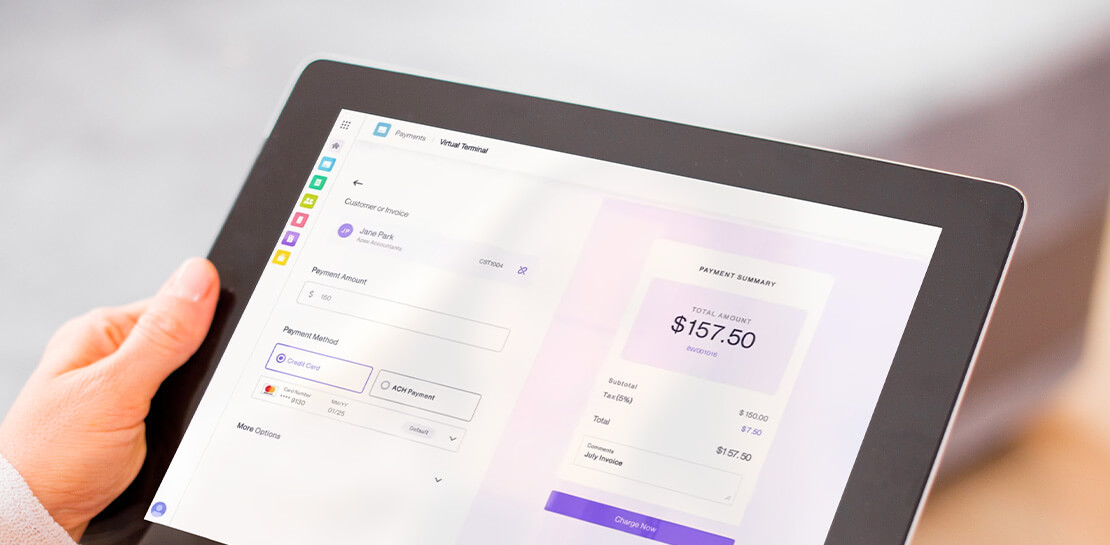
Our digital-first approach makes it easy for owners of small and medium-sized businesses to get started. Online sign-up means no paperwork and near instant access to Helcim’s software and all-in-one platform experience. Merchants can choose from a range of payment solutions from the Helcim app including in-person payments, SMS payment requests, online invoices with pay now buttons, and more.
To achieve our goals, we built most of the business systems and processes in-house including our technology stack, financial partnerships, marketing, and everything in between. This is something that few startups would dare to do, but it enabled us to build a payments platform offering the rich capabilities and performance SMBs really need.
Taking control with the cloud
Before migrating our infrastructure to Google Cloud, it was hosted at two colocation data centers in Calgary. This model served us well, but as we grew, most of our hardware needed to be replaced to maintain service security and performance.
A successful round of Series A funding also impacted our trajectory. Giving us the fuel we needed to scale and innovate faster. When we considered the choice between making a large capital investment in our existing environment, or to transition to the cloud, the decision was clear: The cloud was the way to go.
We looked at other big names in cloud hosting and tested another platform. But Google Cloud is by far the best environment for us. It’s much easier for a lean technology team to manage, as we embark on our first cloud strategy. It also offers all the tools and advanced machine learning capabilities we need.
Google Cloud also comes with the backing of Alphabet, a business that in the past five years has spent more on research and development than any other organization in the S&P 5002. The ability to engage the Google Workspace account team for guidance to improve our everyday processes was another bonus.
A variety of investment and training programs from Google Cloud also influenced our decision. We participated in Google for Startups Accelerator Canada which gave us access to Google Cloud experts across all our technology domains. This helped accelerate our infrastructure migration while ensuring we optimized every service from day one. We were also eligible for $100,000 USD of Google Cloud credits, covering our Google Cloud costs which helped us get everything up and running cost-effectively. The partnership with the wider Google team has been extremely impactful as we stand everything up for our business.
But ultimately, it’s the sheer depth and breadth of the Google Cloud environment that makes the difference. Here are the Google Cloud tools we currently have at Helcim.
We chose BigQuery because it is easy to aggregate new data and apply the right access controls. It also delivers outstanding performance running our analytics workloads.
Vertex AI makes the deployment of new models exponentially faster, and with Google Cloud, we can do most of the work through containers instead of proprietary tooling.
GKE has enabled us to migrate to a fully managed cloud service and avoid a lift-and-shift exercise that would have prevented us from getting the full benefits of a containerized infrastructure. Running a new GKE environment also enabled us to significantly reduce platform latency by 20%-50%. We can now deploy projects in hours instead of days.
We updated our centralized file system to use Cloud Storage, which is faster and more scalable.
All of our software today is built on top of MySQL, so CloudSQL was the natural choice for cloud database management.
Cloud Run is more flexible than other serverless tools and was an easy way to reduce the burden of managing some of our services.
Boosting performance across the business
By migrating to Google Cloud, we transformed our application performance. We were able to decouple the infrastructure between systems and use modern server hardware for our compute and database instances. With very little change to our code, we saw a 50%+ increase in the speed of our entire platform.
Giving developers more control of the technology running their systems via containers means that they can enhance systems through more frequent language updates and by deploying new technologies to optimize workloads.
We can more closely monitor our systems to diagnose issues and fix their root cause faster. Being able to quickly add resources gives us further options if we experience platform latency or increased traffic.

Maintaining momentum with machine learning
Leveraging Vertex AI has significantly reduced the time it takes the team to build and deploy new machine learning models. Greater agility in our data stack has also freed up time for exploratory work in the data team. For instance, by creating low fidelity proxy data for human behavior in the application process, we created a new model that will reduce the number of manually reviewed batches by more than 10%.
We’ve also been able to improve our deployment process and the time to rollback. As a result, breaking changes in production have been reduced from more than five minutes to less than 30 seconds.
Thanks to BigQuery, we can make better use of data to support key business decisions. Previously it was hard to aggregate data from different sources and while maintaining our strict requirements for customer data confidentiality. We also needed specialist SQL knowledge to consume it. By investing in a more modern data stack, the availability of trusted data across the organization has increased exponentially.
We’ve also overcome the constraints imposed by static hardware environments especially when maintaining a high-availability configuration between two locations. With Google Cloud, we’re no longer constrained by such a rigid arrangement and the deployment velocity of new infrastructure tooling has been reduced from months to days.
Security is another area where Google Cloud excels. From hackers and fraudsters to bots and web attacks, it protects our users, applications, and data, while facilitating compliance with local and regional authorities. We can also integrate more easily with our security partners ensuring that we can empower our team to stay ahead of cyber criminals and other external threats.
Building the payments platform for the future, today
When we look to the future, Google Cloud opens the door to dozens of opportunities to widen our appeal to SMBs while remaining competitive. Its advanced infrastructure for cloud computing, data analytics and ML supports our roadmap to profitability and will help us attract future rounds of funding.
Above all it provides a foundation for growth. We grew 400% in 2021 and raised more capital in the spring of 2022 to grow even faster. In 2022 we were also listed as one of the top payments processors by industry publications such as Nerdwallet and Merchant Maverick. With Google Cloud, we can build on this success, continue to innovate, and help our SMB customers take their payments and e-commerce strategies to the next level.
If you want to learn more about how Google Cloud can help your startup, visit our page here to get more information about our program, and sign up for our communications to get a look at our community activities, digital events, special offers, and more.
To learn more about Google for Startups Accelerators and to apply to a program in your region, visit the website here.
1. Small Businesses Generate 44 Percent Of U.S. Economic Activity
2. Alphabet: Big Value In Big Tech
Modernize your Windows Server Workloads using Google Cloud Platform
DOWNLOAD RESEARCH REPORTS6269
Of your peers have already downloaded this article
1:30 Minutes
The most insightful time you'll spend today!
Application Modernization is an important enabler of Digital Transformations (DX), which fuel competitive advantage through increased productivity and business agility. Public cloud infrastructure proves to be a solid foundation for application modernization by providing Self-Service Provisioning capabilities, cloud-based & cloud-native technologies, and easier access to technology innovations such as AI/ML.
Windows Server-based enterprise applications rely on the underlying infrastructure for platform performance, security, and availability. A better performing cloud platform enables them to perform better and hence prove to be more resource-optimized and cost-effective.
Download this IDC report to understand why you should move your Windows Server workloads to Google Cloud and the benefits you can derive.
Forrester and IDC’s Research Confirms Quantifiable Benefits of Running SAP on Google Cloud
3644
Of your peers have already read this article.
3:00 Minutes
The most insightful time you'll spend today!
Cloud migration is top of mind for most companies with SAP applications. While the advantages of the cloud for SAP customers is generally understood, the move itself can be complicated and disruptive. So what actually are the business benefits and cost savings? How long will it take to recoup such an investment? Two recently published reports from Forrester and IDC can help to quantify the benefits and ROI.
Getting answers to the million-dollar questions
Forrester and IDC bring different methodologies to the table; they asked somewhat different questions and used different models to calculate their financial KPIs. This allows you to get two different points of view on the same basic questions about value, risk, and ROI.
As it turns out, both reports found that customers who migrate their SAP environments to Google Cloud see an impressive return on their investments. From uptime and infrastructure to efficiency and productivity—both Forrester and IDC identified major benefits to companies that have made the move to Google Cloud.
Let’s walk through some of the highlights from both reports.
Forrester’s TEI model spotlights the power of uptime improvements
Based on in-depth conversations and quantitative research with six companies, here are the key findings from the Forrester Total Economic Impact (TEI) study for companies running SAP systems on Google Cloud:
- Direct cost savings. When they compare cloud subscription and related costs to what they spent on legacy systems and infrastructure, most IT leaders expect a cloud migration to deliver up-front savings. But according to Forrester, the companies interviewed reported average savings of more than $3 million a year, including eliminated hardware purchases, right-sized software licensing, staffing efficiencies, and other operational cost savings.
- Dramatically improved uptime. Customers told Forrester that migrating SAP to Google Cloud pretty much eliminates downtime—planned or unplanned—as a significant IT concern. According to Forrester, companies realized an average of $1.5 million in savings per year by avoiding the revenue and user productivity losses that had once been a fact of life for their IT teams.
- Significant efficiency gains. Because Google Cloud works to mitigate performance bottlenecks, infrastructure mishaps, network delays and more, the companies Forrester interviewed reported a yearly average of $500,000 in productivity gains for SAP business users and frontline workers.
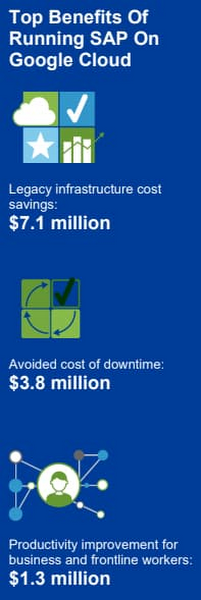
Companies also reported an annual average of $500,000 in additional IT efficiency gains after migrating SAP to Google Cloud. This quantifies what happens when IT practitioners no longer have to deal with the bottlenecks that come with legacy systems, and are able to spend their time on tasks that actually build value and help the business. Based on the Forrester analysis, the companies interviewed could expect average three-year net benefits of about $15.4 million.
“We benefit from any technical innovation in the infrastructure area because Google Cloud is doing that for us,” one customer told Forrester. “So, whenever there’s new hardware available or new processes or whatever, I don’t have to run the specific project to migrate from A to B.”
IDC finds that good things happen when SAP downtime is reduced
The IDC report highlights four areas where Google Cloud generates the most value for customers:
1. Cutting infrastructure costs. According to IDC, customers running SAP on Google Cloud spent 31% less on infrastructure each year, or an average of $233,000 less per company. The ability to scale SAP environments dynamically and to keep them right-sized was a major factor; so were the advantages of automated infrastructure monitoring and savings on software licenses once these companies could stop overprovisioning.
2. Giving a team better things to do. IDC found that the infrastructure, database, and security teams of the companies they interviewed reduced the time they need to maintain and manage SAP environments by an average of 66% per year, for a savings of $443,000, per company. As a result, these companies got the equivalent of a major staff expansion from their SAP migrations—giving them both the staff time and the expertise to focus on far more valuable activities.
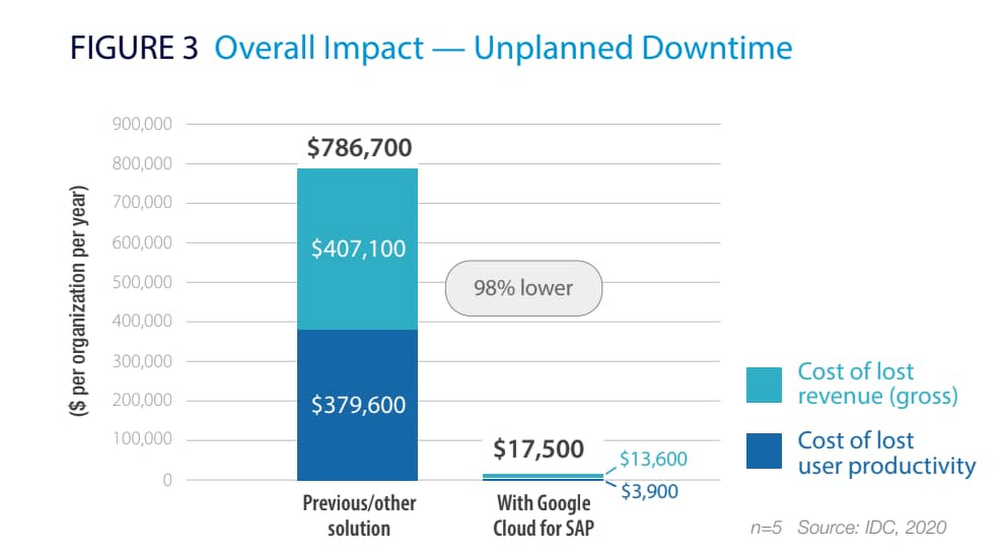
3. Limiting unplanned downtime. These companies reported to IDC an average 98% reduction in unplanned downtime. Migrating SAP to Google Cloud significantly reduces the threat of downtime and saves the business an average of nearly $770,000 per year in lost revenue and user productivity. For some firms, the downtime savings topped $1 million per year.
4. Making users more productive. The companies interviewed told IDC that by avoiding downtime and disruptions associated with upgrade and maintenance tasks for their legacy SAP systems, they saved an average of $363,000 annually in user productivity. But there’s an even more interesting under-the-hood stat contributing to these gains: These companies reduced the time required to deploy new SAP compute and storage resources from an average of 8.8 days to 1 hour.
When IDC added up these and other savings associated with running SAP on Google Cloud, it found an average three-year savings of more than $3.5 million and a five-month payback period.
“We acquired another company, so basically overnight we needed to be able to deal with that increase,” said one customer IDC spoke with. “We doubled our footprint overnight, and we had to take on hundreds of additional employees. We needed a platform that we could easily scale up if we required, and that’s the benefit of running SAP on Google Cloud for us.”
Explore the reports
There is a lot to think about when considering a move of SAP systems to the cloud. The cloud has many advantages, but migration can seem complicated and tricky; we appreciate that you are looking to understand the full picture. These papers are a great place to start.
Download the reports—Forrester’s “Total Economic Impact of SAP on Google Cloud” and IDC’s “Business Value of SAP for Google Cloud Environments.” Then, get in touch.

2768
Of your peers have already downloaded this article
4:30 Minutes
The most insightful time you'll spend today!
Google partnered with IDC Retail Insights to conduct a survey of retailers across the globe to assess the state of transformation and develop an index of digital maturity. Learn more about the changes in digital resilience over the last year and the areas of innovation over the next 12 months.
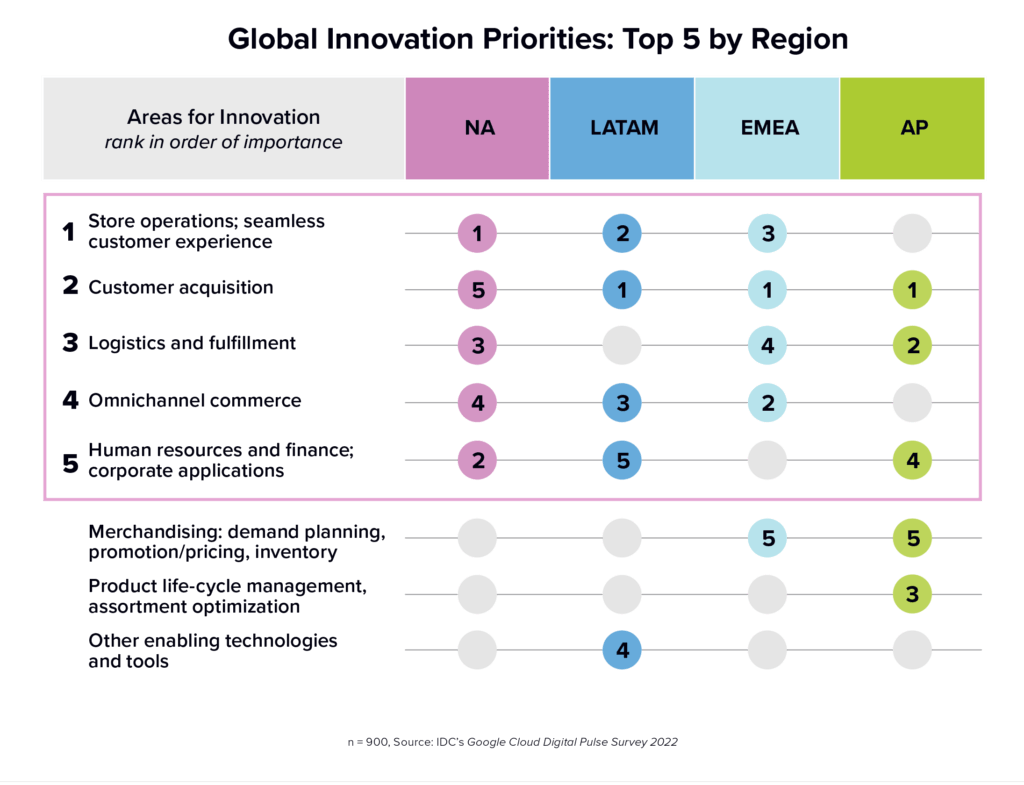
In this IDC Infobrief, you will learn:
- Where retailers stand on the path to digital resilience
- Top challenges retailers face with digitization and how that’s changed in the last 12 months
- Key areas for innovation and use cases among retailers at different stages of digital maturity
- How innovation can help organizations advance and respond evolving customer expectations
More Relevant Stories for Your Company

Google Extends Support for Windows Server Containers on Anthos for Faster App Modernization and Consistent Dev Experience
Today, many applications in organizations’ data centers run on Windows Server. Modernizing these traditional Windows apps onto Kubernetes promises a host of benefits: a consistent platform across environments, better portability, scalability, availability, simplified management and speed of deployment, just to name a few. But how? Rewriting traditional .NET applications to

Scope for Tech Adoption and Advancements in Healthcare are Still High: Google Cloud Research
Since the start of the COVID-19 pandemic, there’s been a rapid acceleration of digital transformation across the entire healthcare industry. Telehealth has become a more mainstream and safe way for patients and caregivers to connect. Machine learning modeling has helped speed up innovation and drug discovery. And new levels of
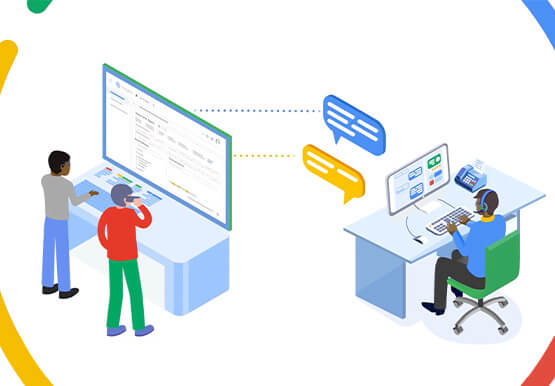
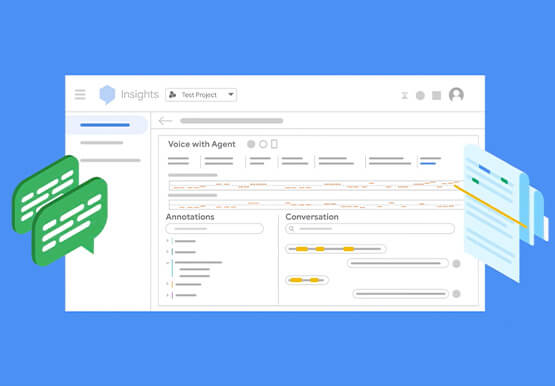
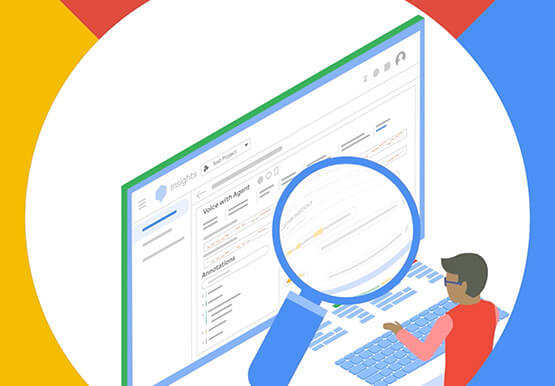

CCAI Insights: Answer Customers’ Queries & Understand Them Better with Conversation Data
With CCAI Insights, businesses can drive contact center efficiency, solve customer problems and leverage data from customer interactions to understand them better! CCAI Insights, a core piece of the Google Cloud's Contact Center AI product suite is built to help contact center management dive into data to adjust business needs,

Quilkin: How the Open-source UDP Proxy Enables High-performance Multiplayer Gaming
Traditionally, dedicated game servers for real time multiplayer games have used bespoke UDP protocols for communication and synchronization of gameplay among the players within a game. This communication is most often bundled into monolithic game servers and clients, pairing the technical functionality of communication protocols, such as custom network physics synchronisation, security,
