





No More ‘Tab Game’ with Easy Tutorials on Google Cloud Console

3533
Of your peers have already read this article.
2:00 Minutes
The most insightful time you'll spend today!
When it comes to learning how to implement some technology, we all have our own version of what I call the “tab game”—that is, your setup for all the tabs and windows you need open at once. You may have several monitors so you can see documentation, your IDE, and terminal windows at the same time. You may have several guides and references open at once in one window to get all the information you need.

Personally, I like to work just from my laptop because I like to move around and work from various comfy spots. I think my tab game would probably enrage most devs because it involves a lot of swiping back and forth between windows *and* toggling tabs. It’s not pretty. That is, it wasn’t pretty until I discovered tutorials in the Google Cloud Console!
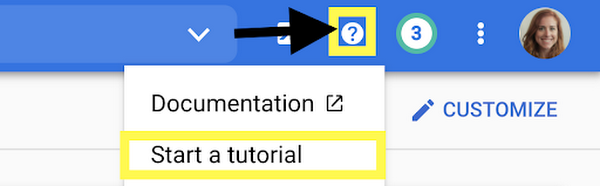
Jen really didn’t know about tutorials in the Google Cloud Console?
Yes, I honestly didn’t know about them! I’m sharing about it because if I can work for Google and not know, then I can’t be the only one, and it would be a shame to miss out on this because it’s a brilliant idea. Also I wrote some pretty sweet tutorials for the console, but I swear that the main reason I’m telling you is because it’s a cool thing!
There are several reasons that these tutorials are great:
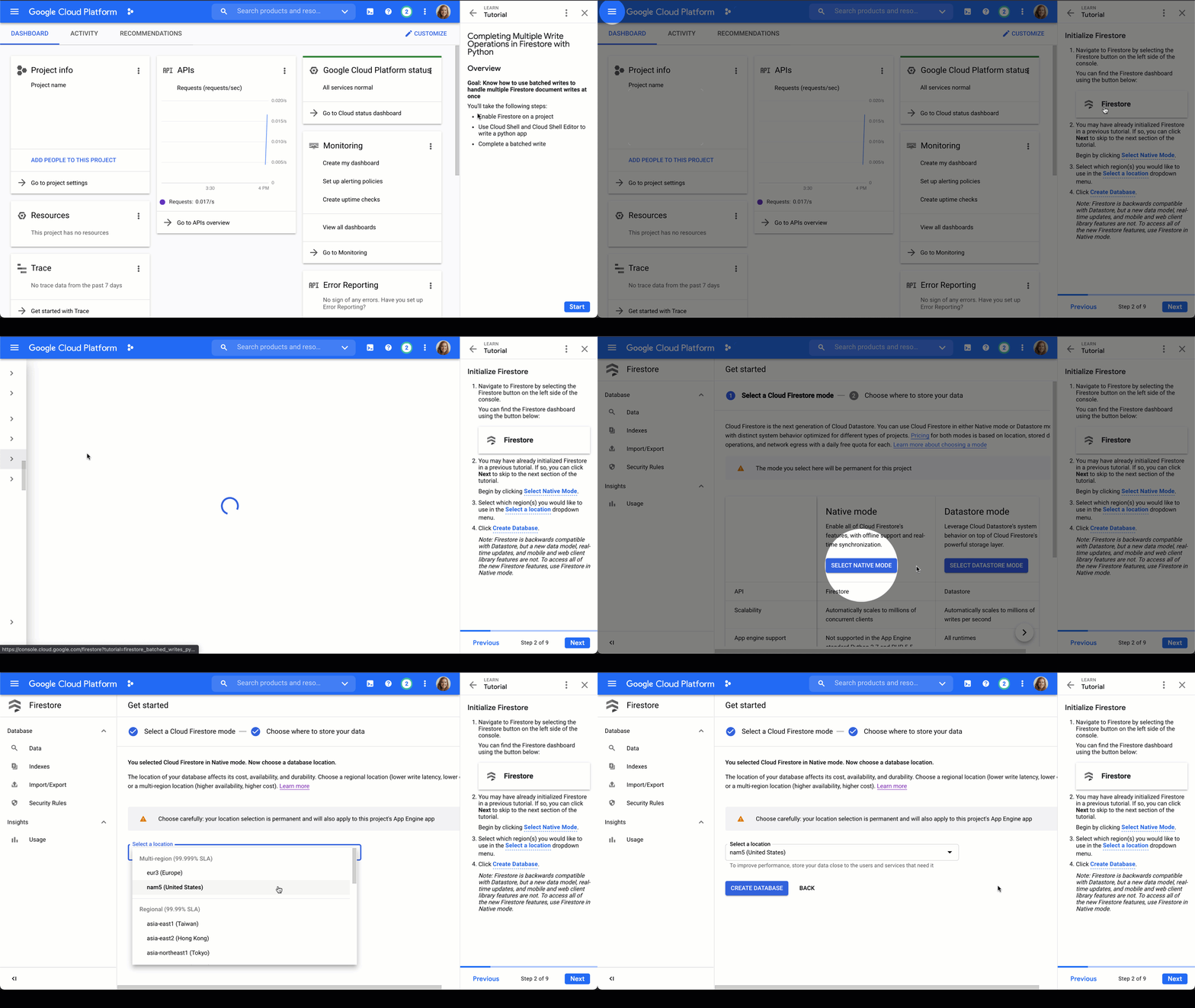
- You can view the instructions and the console at the same time. No more playing the tab game!
- The tutorials include links and highlights, making it easy to find the screens and buttons you’re looking for
- You can run code from Cloud Shell, so you don’t need a separate window for an IDE
- You can use the demo data provided to try things out, or you can apply the steps to your existing projects using data that suits your app’s needs
Firestore tutorials
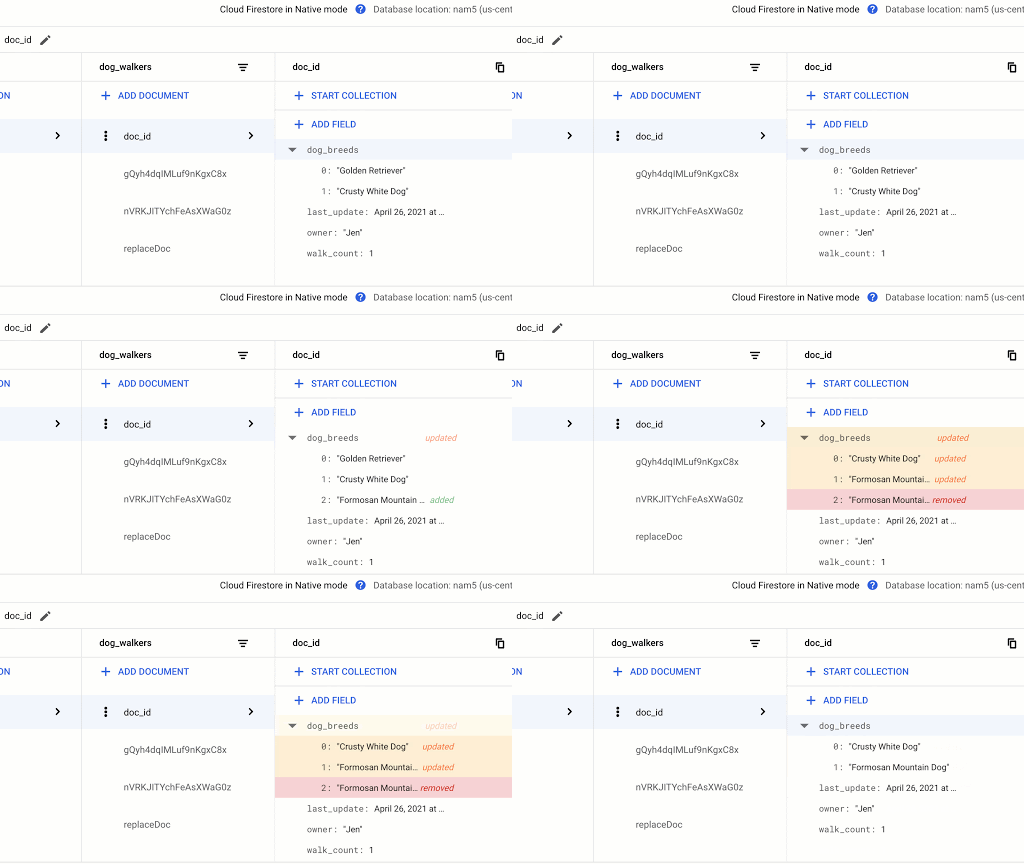
I’m developing a series of tutorials in the Google Cloud Console designed to take you through everything you need to know about Firestore–from manually adding data in the Google Cloud Console to triggering Cloud Functions to make changes for you. Below are links and summaries for the currently available tutorials. Check back regularly to find the latest additions as they’re released!
- Enable Firestore on a project
- Learn about the Firestore data model
- Add a collection of documents
- Add fields to a document
- Delete documents and collections
Updating Data in Firestore using Node.js or using Python
- Add a collection of documents
- Explore available data types
- Replace the data of document
- Replace fields in a document
- Handle special cases: incrementing, timestamps, and arrays
Reading Data from Firestore using Node.js or using Python
- Add a collection of documents
- Explore available data types
- Read a collection
- Read a single document
- Order documents
- Query documents
Transactions in Firestore using Node.js
- Add a collection of documents
- Update data without a transaction to observe issue
- Complete a transaction
- Complete a batched write
Batched Writes in Firestore using Node.js or using Python
- Use Cloud Shell and Cloud Shell Editor to write a Node.js or Python app
- Complete a batched write
Firestore triggers for Cloud Functions
- Initialize Cloud Functions using the Firebase CLI
- Write a Cloud Function triggered by a new document write to Firestore
- Add data to Firestore in the Cloud console Firestore dashboard
- Create a web app that uses Firestore using the Firebase SDK
- Deploy Firestore security rules that enable access to the required data
- Enable data persistence in the web app
- Observe app behavior with and without network connection
Chime in
Is there a particular action or concept in Firestore that you’d like to see a tutorial for? Is there another Google Cloud product that you want to learn more about? Tweet @ThatJenPerson and you may just see your suggestion come to life in the Google Cloud Console!

1100
Of your peers have already downloaded this article
5:30 Minutes
The most insightful time you'll spend today!
In this whitepaper, we outline migration frameworks that we built based on conversations we’ve had with CIOs, CTOs, and their technical staff. The goal of these frameworks is to help you devise a migration strategy that empowers both IT and the business.
Learn how to analyze migration strategies for your business, including:
- Moving up the stack before you migrate
- Migrating workloads into the cloud (mostly) as is
- Optimizing and modernizing workloads once you’ve migrated

4652
Of your peers have already downloaded this article
1:30 Minutes
The most insightful time you'll spend today!
As organizations continue to move workloads to public clouds, security professionals must protect the sensitive data and digital identities found in those workloads. Once wary of cloud adoption, many security professionals now believe that the native security capabilities of large public cloud platforms actually offer more affordable and superior security than what their teams could deliver themselves if the workloads remained on premises.
However, native security capabilities and features vary across public cloud providers. Three key factors can ensure a smooth transition to the cloud and influence public cloud provider selection: breadth and depth of native security features, unified configuration and management, and aggressive roadmaps.
Forrester researched, analyzed, and scored seven leading public cloud providers on 37 criteria and found that Google Cloud leads the pack.
Download this Forrester Research report to learn why Google Cloud comes out on top.
Regulatory-induced Challenges Create Hurdles to Cloud Adoption for Financial Services Firms

3342
Of your peers have already read this article.
2:30 Minutes
The most insightful time you'll spend today!
The financial services industry is evolving at a rapid pace, with shifting consumer expectations, new technologies, and developing regulatory requirements. Financial services firms need the right technology to help them stay agile and prepare for the future.
The cloud is a key point of leverage for firms looking to improve performance across a broad range of activities. Moving to the public cloud can advance operational resiliency, improve staff productivity, increase regulatory compliance and enhance business model innovation.
However, there are a number of financial services companies that are still hesitant in their cloud journeys. The barriers to adoption vary, from the complexity of legacy systems, to trust and skills gaps, regulatory uncertainty, and fragmentation of compliance requirements. Although many companies have embraced the benefits of cloud technology, more robust cloud adoption—especially around core back-office functions—will require additional facilitation, including through regulatory harmonization and streamlining.
A new comprehensive study on cloud adoption in financial services
To better understand the challenges and opportunities of cloud adoption in financial services Google Cloud, together with the Harris Poll, surveyed more than 1,300 leaders from the financial services industry across the United States, Canada, France, Germany, United Kingdom, Hong Kong, Japan, Singapore and Australia.
There were five noteworthy takeaways from the study:
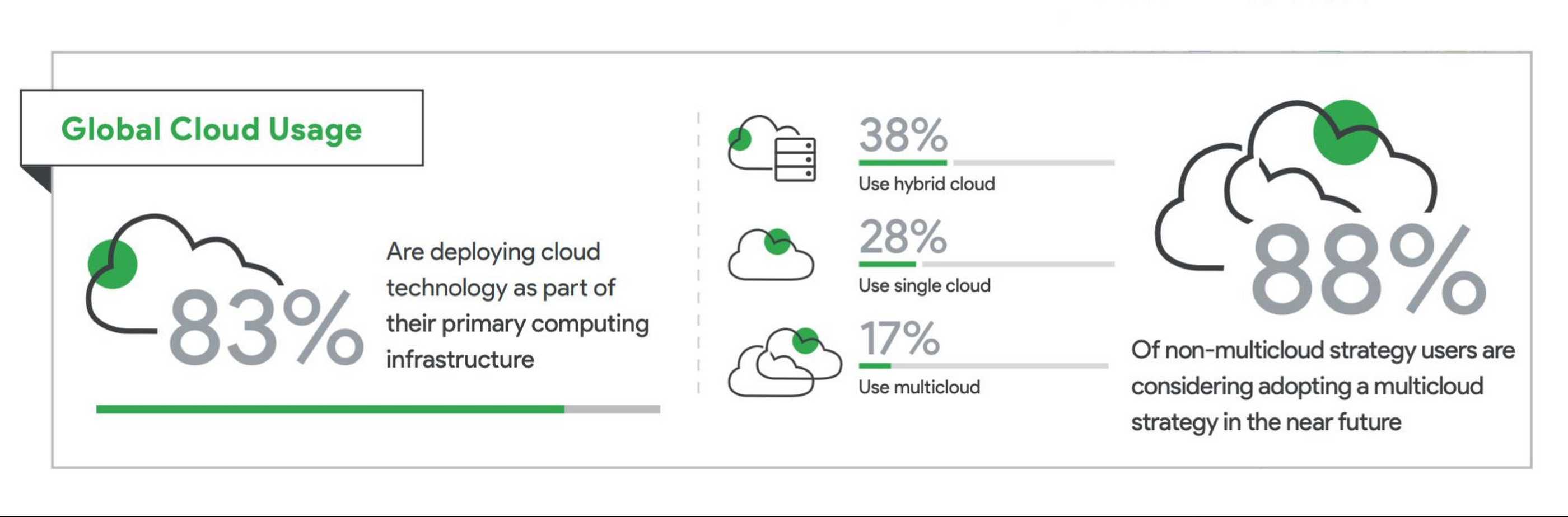
1. A vast majority of financial services companies are already using some form of public cloud. A large number of surveyed financial services companies (83%) report they are deploying cloud technology as part of their primary computing infrastructures. Of those using cloud technology, the most popular architecture of choice is hybrid cloud (38%), followed by single cloud (28%), and multicloud (17%). Notably, of respondents without a multicloud deployment, 88% reported they are considering adopting a multicloud strategy in the next 12 months.
2. Financial services institutions in North America are leading in cloud adoption. Of the financial services companies who are implementing a cloud strategy, the highest levels of cloud workload adoption were reported in North America, with institutions in the U.S. (54%) and Canada (52%) leading the way. The lowest level of cloud adoption was reported in Japan (42%).
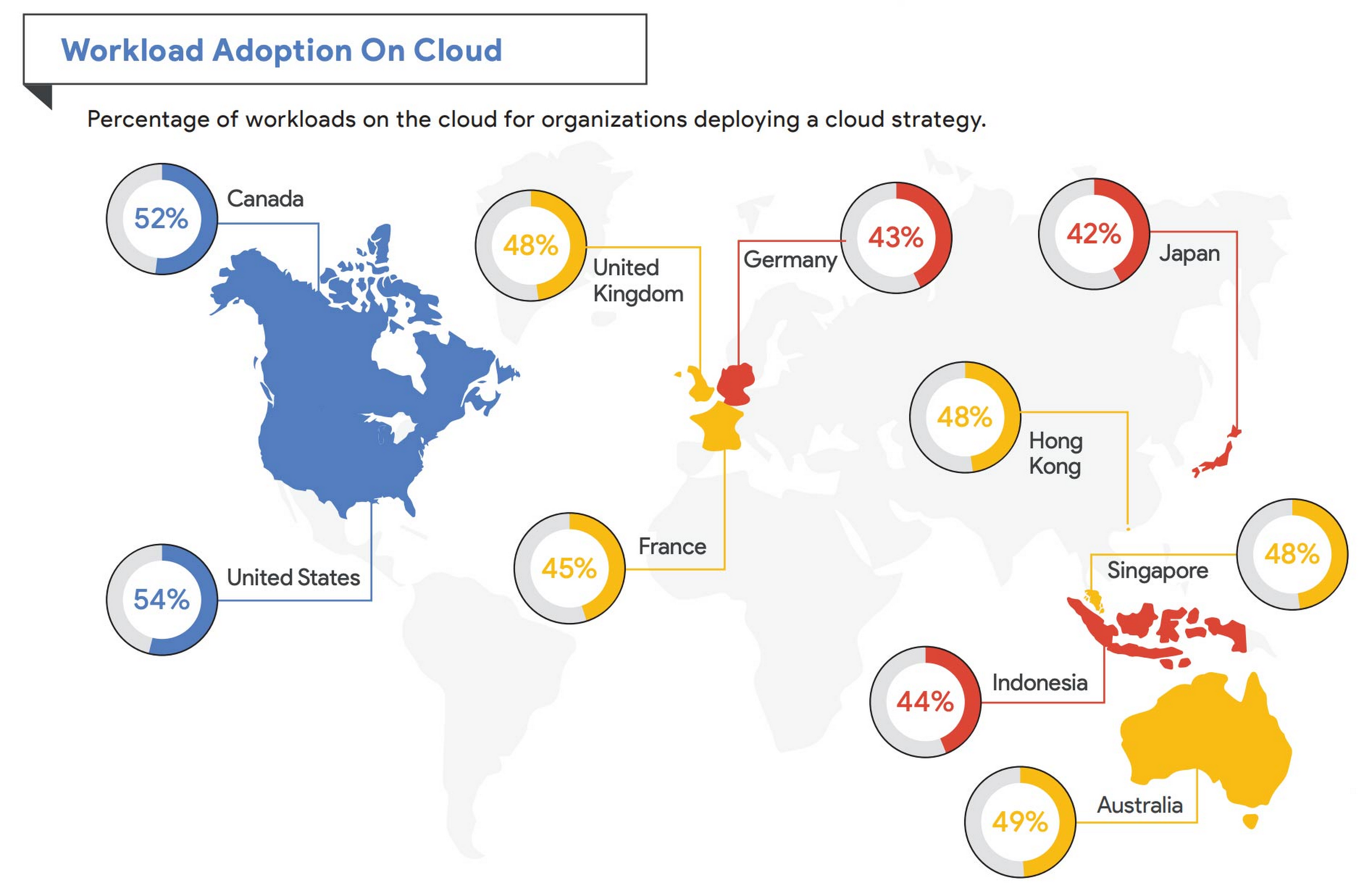
3. As financial services companies continue to use the cloud, more core functionalities can and will be migrated. While many financial services companies have migrated substantial workloads to the cloud, the industry is far from full adoption when it comes to core, back-office workloads. Of financial services companies currently using a majority cloud strategy in the United States, for example, only half (54%) of their workloads are fully deployed in the cloud. Data and IT security (74%), regulatory reporting (57%), and fraud detection and prevention (57%) rank among the highest workload adoption. Core underwriting activity (40%) and data reconciliation (48%) ranked lowest. Across Europe, cloud usage for core activities like underwriting also scored low with the UK listing only 30% adoption.
4. Among respondents, there is a very strong positive perception of the potential for cloud technology to assist in business operations and regulatory compliance. Nearly all respondents (>88%) agreed that cloud adoption can:
- help adapt to changing customer behaviors and expectations,
- enhance operational resilience,
- support the creation of innovative new products and services,
- enhance financial services institutions’ data security capabilities, and
- better connect siloed legacy software infrastructure within financial services institutions.
5. Certain regulator-induced challenges, including the complexity of sectorial compliance frameworks and fragmentation, create hurdles to cloud adoption for financial services companies. While 88% of respondents had a positive view of current regulatory efforts to provide guidance and clarity for cloud implementation, the results showed that more needs to be done to facilitate adoption. Most respondents (84%) agree that regulatory reviews and approvals take too long because of regulatory fragmentation across regulatory bodies. And 78% say that regulatory uncertainty over the use of public cloud prevents their organizations from adopting cloud technologies that would otherwise provide benefit to them. Additionally, a third of all on-premises respondents (38%) say that the large investment of resources for the regulatory approval process is a reason why they’re not using cloud services.
“While many banks have already deployed hybrid cloud environments, others are still in various stages of planning and deploying,” said Jerry Silva, research vice president for IDC Financial Insights. “Clearly, hybrid infrastructure is a reality, and financial institutions must focus not only on leveraging the modern infrastructure model to gain efficiencies, resilience and agility, but also on taking the necessary steps to manage such environments, including the security and compliance of cloud services.”
Future recommendations for financial services regulators
Financial services firms should continue to maximize the potential of technology by migrating more core workloads to the cloud, and actively considering multicloud and hybrid-cloud strategies. Such strategies enhance resiliency of existing IT infrastructure and reduce concerns over vendor lock-in.
The research also points to steps that regulators could take to provide additional clarity and guidance, such as aligning regulatory reviews across agencies to avoid fragmentation; developing regulatory “safe harbors” for cloud adopters based on adherence to accepted standards and best practices; training regulatory staff on emerging tech; and advancing data reporting requirements via cloud and related technologies.
In the past few years, many regulators across the globe have taken a robust approach to rationalizing rules and guidance to cloud adoption in the financial sector, which has helped significantly stimulate adoption. But further assurances and harmonization of best practices around supervision is needed to advance risk-based and secure digital innovation.
At Google Cloud, we’re committed to working with financial services customers and regulators to provide them with controls and assurances on risk management, data locality, transparency, and compliance. We are constantly engaging with regulators to share information, respond to their considerations and concerns, and address questions in the interest of transparency and building trust.
To learn more about these findings and more, download our infographic and our full report.
Research methodology
The survey was conducted online by the Harris Poll on behalf of Google Cloud, from December 7, 2020, to January 4, 2021, among 1,363 senior executives in France (n=113), Germany (n=178), the UK (n=192), Hong Kong (n=99), Indonesia (n=100), Japan (n=142), Singapore (n=71), Australia (n=134), Canada (134), and the United States (n=200) who are employed full-time, part-time, or self-employed whose main functional role is in risk/compliance or IT at a company in the banking, finance, or financial services industry with a title of director level or higher. The data in each country were weighted by the number of employees to bring them into line with actual company size proportions in the population. A global post-weight was applied to ensure equal weight of each country in the global total.
5325
Of your peers have already watched this video.
1:30 Minutes
The most insightful time you'll spend today!
Why Enterprises Should Choose Google Cloud for their SAP Workloads
Change is a constant for SAP customers. Now more than ever, SAP customers need solutions that provide them business agility, rock solid availability and security and true economic value.
Learn how Google Cloud can guide your SAP journey to the cloud with simple and no cost migrations, powerful infrastructure and innovation technologies that you can take advantage of today.
Hear from SAP customers who have deployed on Google Cloud and the game changing results they are realizing.
Trading and Investment Companies will Increase Consumption of Cloud Services: Study Confirms

4896
Of your peers have already read this article.
3:00 Minutes
The most insightful time you'll spend today!
While some traditional financial services companies have more slowly transitioned to the cloud, capital markets firms have embraced cloud computing across their entire value chains — front-, middle-, and back-office. We wanted to understand the dynamics behind this rapid adoption, the most common use cases, and the types of technology most in use, particularly as it relates to market data. Google Cloud commissioned Coalition Greenwich to survey 102 institutional capital markets professionals — at exchanges, trading systems, data aggregators, data producers, asset managers, hedge funds, and investment banks — in the United States, Canada, France, Germany, Italy, the Netherlands, Switzerland, and the United Kingdom.
Our research found that while there are many drivers, demand for easier accessibility is fueling widespread adoption of cloud-based market data services, and associated trading infrastructures, across the buy side and sell side. In fact, 68% of sell-side and buy-side users find it critical for market data providers to offer public cloud-based data services. At the same time, exchanges, market data providers, aggregators, and trading systems are embracing the cloud as a delivery model by offering access to data directly via their own cloud services, APIs or partners.
Here were five noteworthy takeaways from the study:
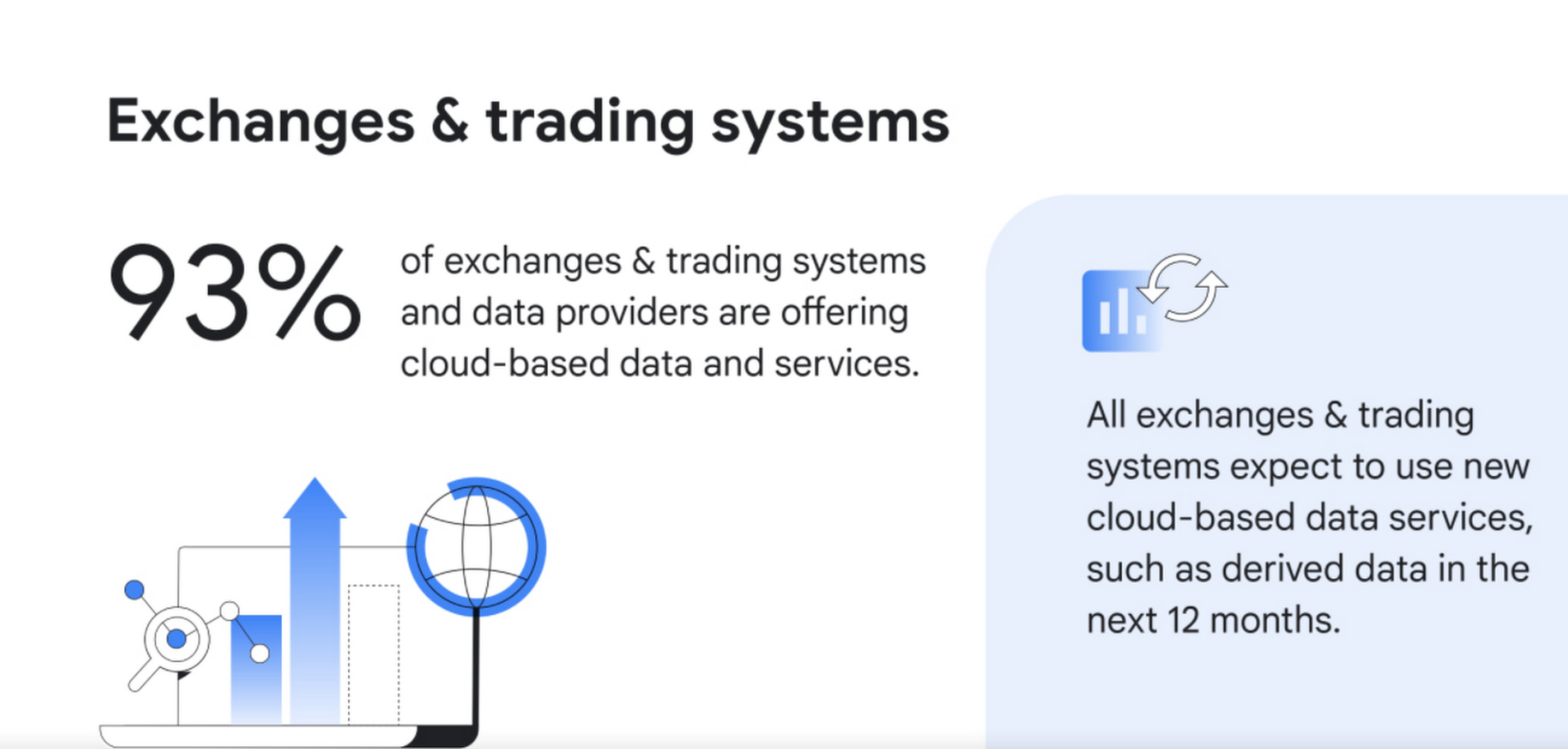
1. Cloud services are becoming ubiquitous for data delivery. Today, the cloud is pervasive, with 93% of exchanges, trading systems and data providers offering cloud-based data and services, according to surveyed executives. Moreover, 100% of those surveyed intend to offer new cloud-based services, such as derived data, in the next 12 months.
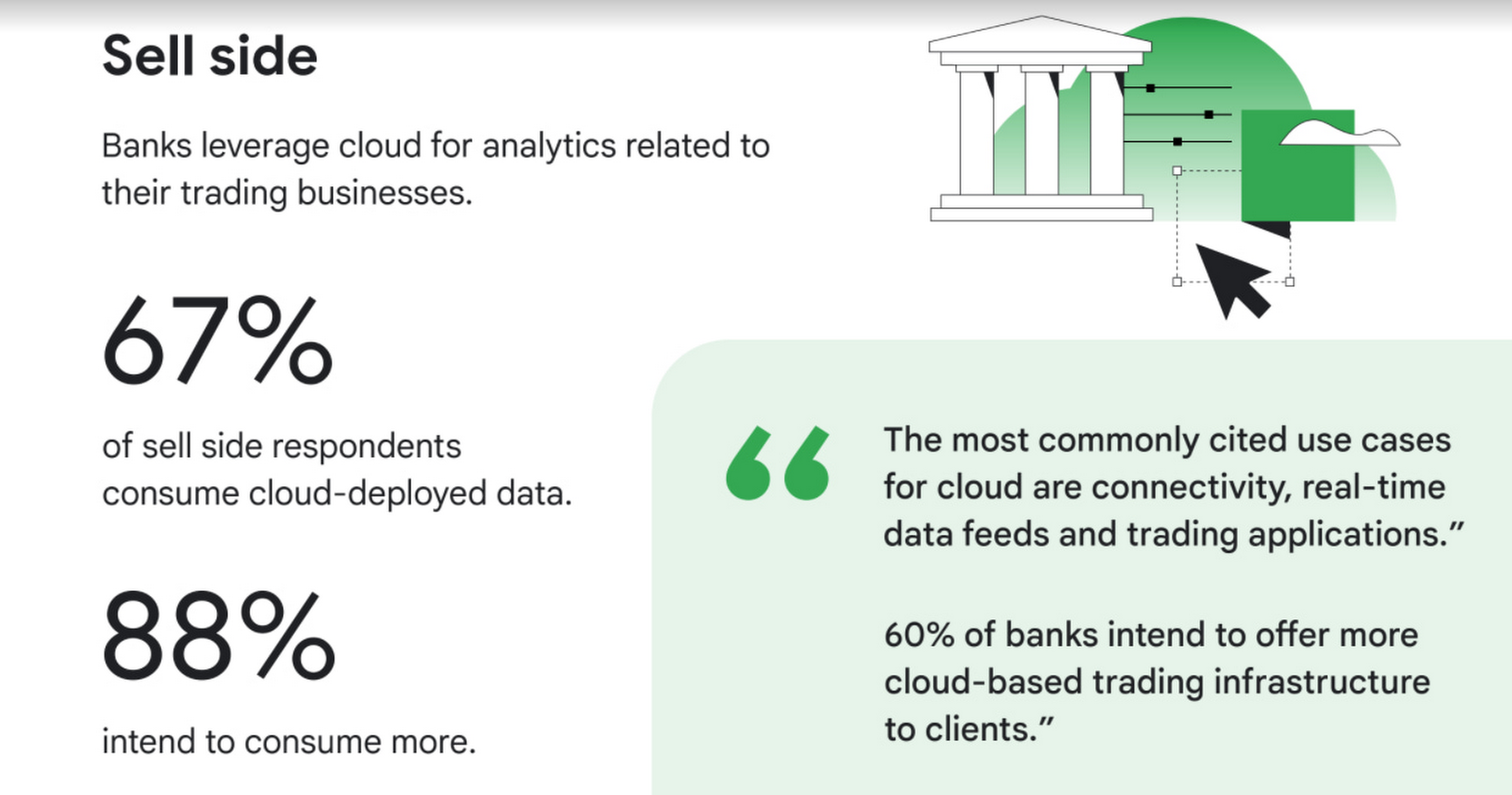
2. Commercial and investment banks are offering additional connectivity, real-time data feeds, and trading applications delivered via the cloud,demonstrating that it’s not only exchanges, trading systems, and data providers that are moving rapidly to the cloud. Internal use cases abound as well, with 67% of those surveyed consuming cloud-deployed market data, primarily for data analytics. 88% of surveyed sell-side firms intend to consume cloud-based market data services, with digital transformation, data science and quant research as the top use cases.
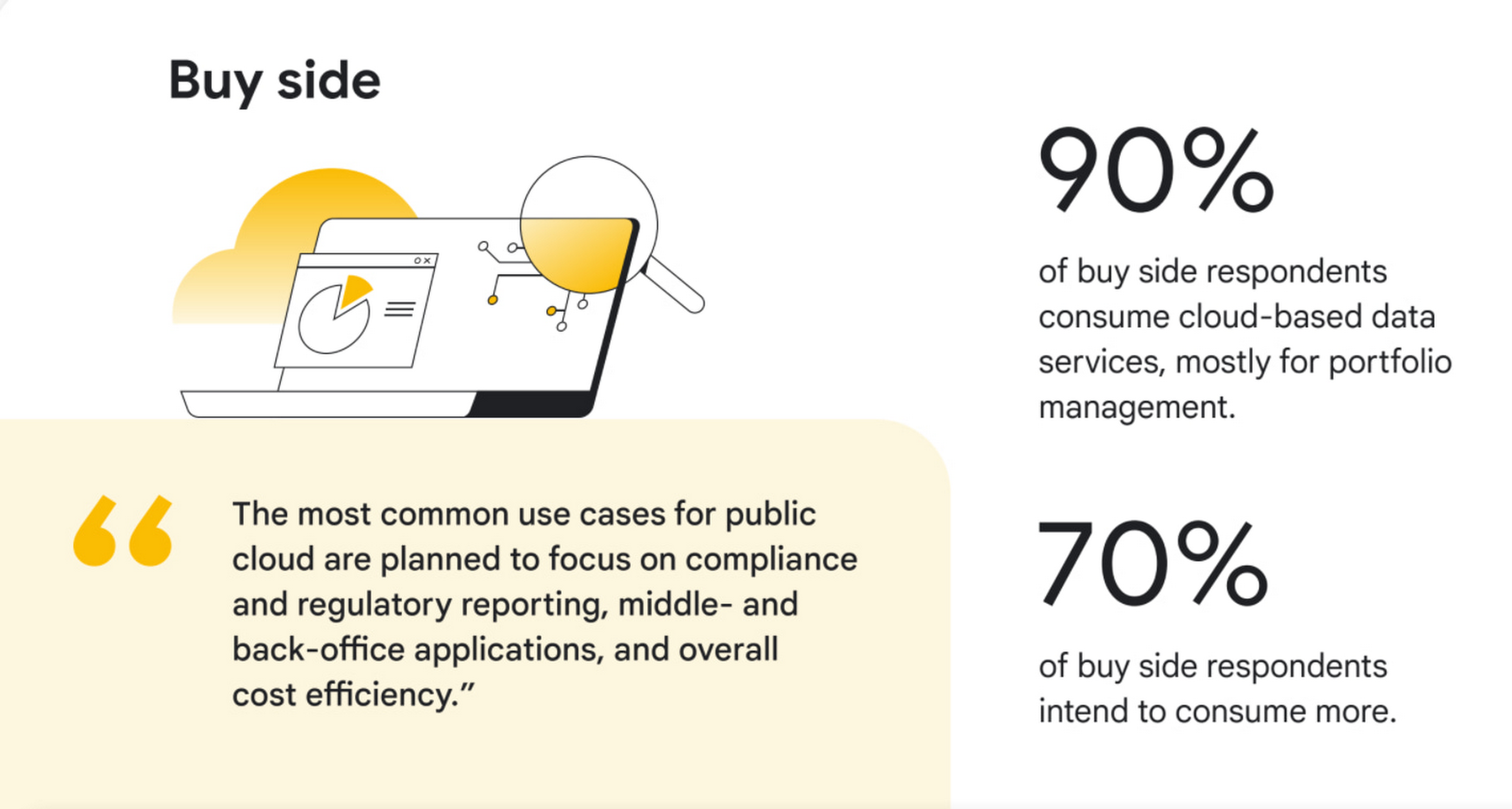
3. Buy side firms will consume even more cloud-deployed data. Today, 90% of surveyed buy-side firms are consuming cloud-deployed market data, mostly for portfolio management. 70% of buy-side firms intend to consume more public cloud-based market data services in the next 12 months, adding services such as compliance and regulatory reporting.
4. AI/ML, powered by cloud, is moving out of the pilot phase and into mainstream use. Today, 50% of exchanges, trading systems, and data providers are offering data products or services powered by AI/ML, and of those, 42% intend to offer AI-powered trade execution and trading analytics services in the next 12 months. Within commercial and investment banks, 55% said they are currently using AI/ML in the cloud, and while that was true for only 14% of overall buy-side respondents, 44% of large buy-side respondents are using it.

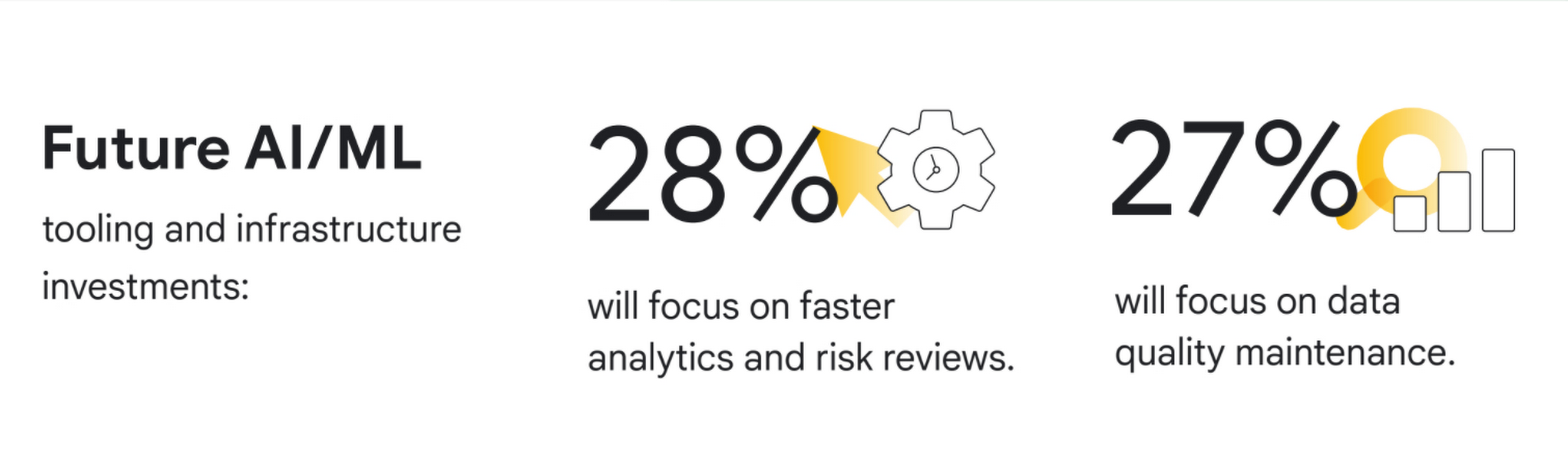
5. Exchanges, trading systems, and data providers are prioritizing public cloud for internal insights. 71% of these firms are using the public cloud, mostly for data transmission, processing, analysis, and long-term data storage. Over the next 12 months, 33% of new public cloud workloads will focus on data mining, data insights and advanced analytics, while 28% of new AI/ML tooling and infrastructure investments will focus on faster analytics and risk reviews, and 27% on data quality maintenance.
“We see new, dramatic shifts on the adoption of cloud across market data,” said David Easthope, Senior Analyst for Coalition Greenwich. “And we expect further proliferation of cloud-based services and greater consumption across the trading and investing lifecycle.”
Conclusions and future predictions
Based on the survey results, Coalition Greenwich predicts five following trends over the next 12 months:
- Exchanges and trading systems will continue to launch a wide array of new cloud-based and possibly cloud exclusive data services across derived data, end of day data, reference data and pricing data.
- Data providers will launch new data products such as pre-trade analytics powered by AI/ML in the cloud.
- Commercial and investment banks will offer additional connectivity, real-time data feeds, and trading applications delivered via the cloud.
- Buy-side firms will consume even more cloud-deployed data, including real-time market data, portfolio management data, and risk analytics.
- Exchanges, trading systems and data providers will explore proof-of-concepts around core systems on the cloud. Improvements to AI/ML tooling or infrastructure will ramp up as firms seek more rapid responses to risk initiatives.
To learn more about these findings, download our two full reports, The Future of market data: Distribution and consumption through cloud and AI and Exchanges and data providers: Prioritizing the cloud and AI for internal insights or our short infographic.
Research methodology
The survey was conducted online by Coalition Greenwich on behalf of Google Cloud from March 2021 to April 2021 among 102 executives in North America (n=82), EMEA (n=17) and other (n=3) who are employed full-time and who are participants or influencers in decisions around cloud and/or senior management with a role at a company which is an institutional asset manager, hedge fund, alternative investment manager, exchange and/or trading system, information provider, information aggregator, or other asset manager/asset owner. The survey included wide perspectives from a range of firm size and asset class focus, including equity, fixed income, FX, commodities, multi-asset, and other asset classes.
Foot Notes
1. We defined market data as direct feeds, consolidated feeds, terminal and desktop products, security and reference data, pricing data, historical data, alternative data, and index data.
More Relevant Stories for Your Company

Innovation in the Clouds: Sky’s Blue-Sky Approach to FinOps
Google Cloud’s partnership with Sky Group, one of Europe’s largest media and entertainment companies, dates back more than four years to when Sky first became a Google Cloud customer moving diagnostic data from millions of its Sky Q TV boxes to its Google Cloud data platform. In June 2019, a

Being Cloud-native Means Sustainability and Growth-native for Nuuly!
They say black never goes out of style. It’s something the team at Nuuly, URBN’s digital rental and resale business, know well. And it’s not just true of the company’s garments but their gadgets, too. “I was having an offhand conversation with a UX designer recently,” Rebecca Sandercock, Nuuly’s strategy




Accelerate Your Digital Transformation Through a Modern Infrastructure
Learn about the latest advancements to Google Cloud Platform’s unique infrastructure to accelerate enterprise workloads and build planet scalable solutions. Hear how Google Cloud’s infrastructure enables you to solve problems faster, more securely, and at greater scale. See how Google Cloud is accelerating the support for enterprise workloads like SAP,

Reducing Data Costs by 80% with Google Cloud: Inshorts’ Success in the Indian Mobile News Market
Across India, hundreds of millions of people turn to their smartphones for news that will enhance their lives and help them achieve their goals. According to Professor Rasmus Kleis Nielsen, Director of the Reuters Institute for the Study of Journalism: “The past few years have seen explosive growth in mobile
