





Google Workspace and Miro Together Bring Immersive Team Collaboration Experience

3942
Of your peers have already read this article.
3:00 Minutes
The most insightful time you'll spend today!
While many of us are navigating the shift to hybrid work, every team’s experience is unique. Distributed work is taking many different forms—from the fully remote to a specific mix of in-person and in-office—but there are potential gaps across all the places that people work. Google Workspace helps teams bridge these gaps by providing tools for them to connect, create and collaborate securely wherever they are. Today, we’re taking this one step further by announcing new ways to bring Miro’s intuitive whiteboard experience to Google Workspace so that teams can ideate and innovate more immersively.
With a shared commitment to extending inclusive, flexible collaboration experiences for all, we’re partnering with Miro to bring whiteboarding capabilities into Google Meet. We’re also deepening the existing experience within Google Docs, Sheets and Slides, making it easier for teams to ideate and co-create asynchronously and in real time.
Deepening collaboration in meetings
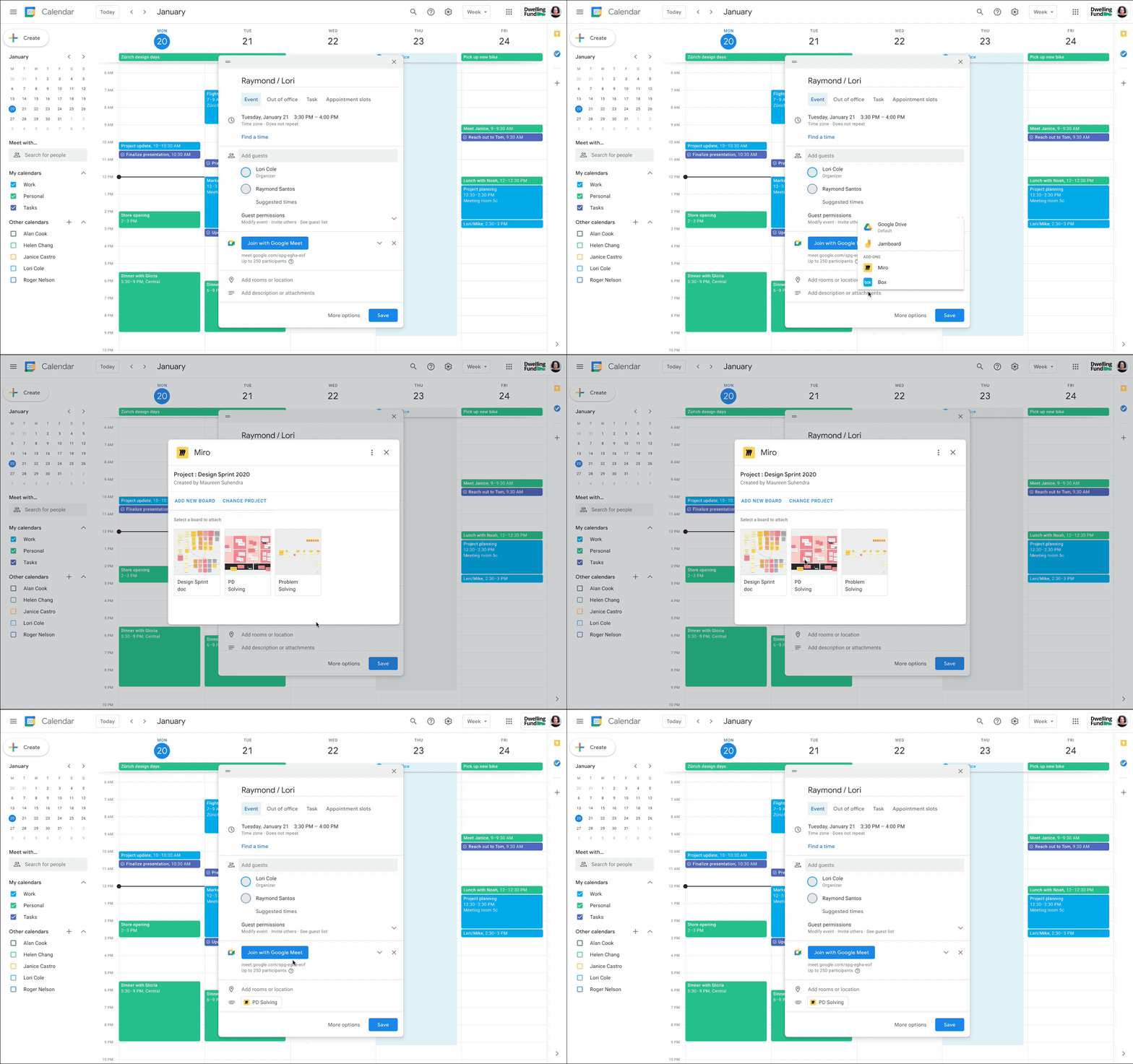
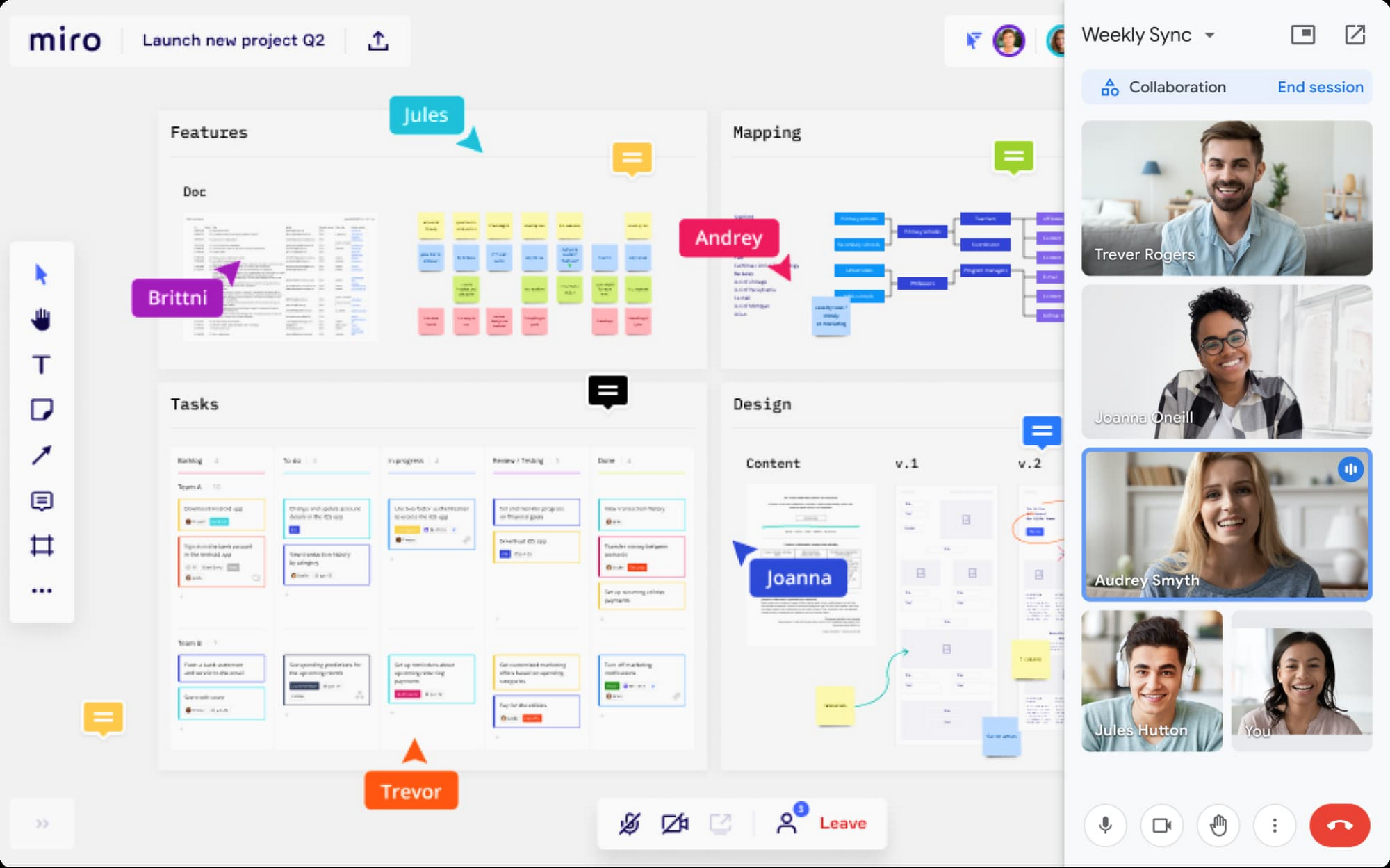
With the new Miro experience in Meet, you’ll get an immersive side-by-side video and whiteboard experience that’s ideal for brainstorming, sketching, and iteration during meetings. This approach fosters idea generation and participation from all team members, even if they’re in different locations. And using a Miro whiteboard in Meet is seamless: simply attach the Miro whiteboard to the meeting in Google Calendar or select a board during a meeting to share and collaborate in real-time. These new experiences will be available in early 2022.
Seamlessly integrate content from Google Docs, Sheets, and Slides
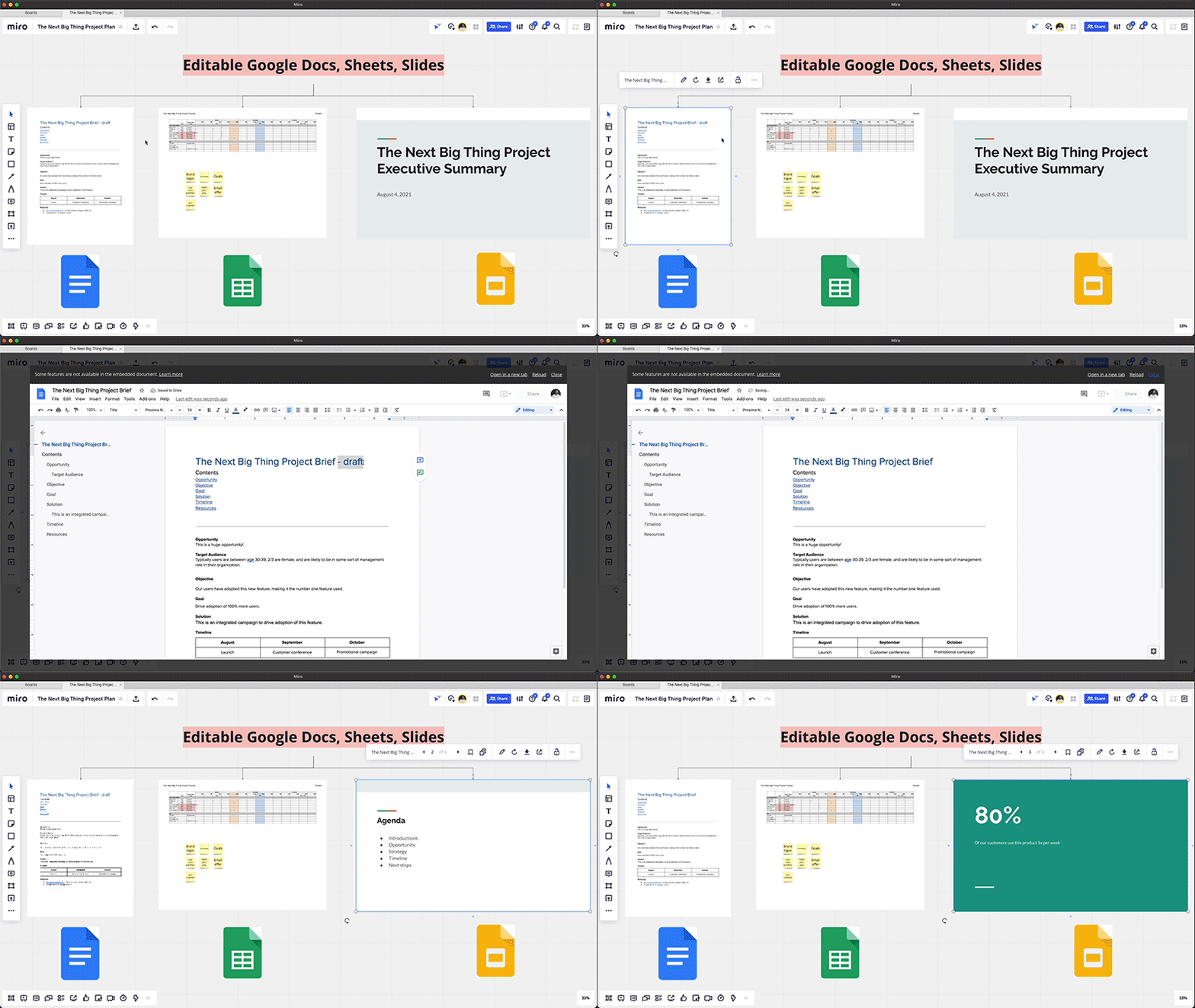
Real-time collaboration across a distributed team often spans multiple files—from brainstorming in documents, to project management in spreadsheets, to presenting your ideas in slides. Miro integrates with Google Drive, so teams can easily access and embed their Google Docs, Sheets, and Slides into Miro’s infinite canvas, making it easier to visualize and manage all the pieces of a project from one shared space. You can also save your Miro boards to Drive, and Docs, Sheets, and Slides automatically sync across both applications, so you’re always working with the latest content.
Start using Miro in Google Workspace today
The Miro app for Workspace is one of the growing number of 3rd-party applications you can use to bring the apps and services you use every day to your Google Workspace experience. Try the Miro app in Workspace with your existing credentials, or sign up for Workspace and Miro to start using the free versions together. And stay tuned for future innovation as we partner with Miro on delivering visual collaboration capabilities that are mission critical for the hybrid workplace.
Google Workspace and Miro Together Bring Immersive Team Collaboration Experience
3943
Of your peers have already read this article.
3:00 Minutes
The most insightful time you'll spend today!
While many of us are navigating the shift to hybrid work, every team’s experience is unique. Distributed work is taking many different forms—from the fully remote to a specific mix of in-person and in-office—but there are potential gaps across all the places that people work. Google Workspace helps teams bridge these gaps by providing tools for them to connect, create and collaborate securely wherever they are. Today, we’re taking this one step further by announcing new ways to bring Miro’s intuitive whiteboard experience to Google Workspace so that teams can ideate and innovate more immersively.
With a shared commitment to extending inclusive, flexible collaboration experiences for all, we’re partnering with Miro to bring whiteboarding capabilities into Google Meet. We’re also deepening the existing experience within Google Docs, Sheets and Slides, making it easier for teams to ideate and co-create asynchronously and in real time.
Deepening collaboration in meetings
With the new Miro experience in Meet, you’ll get an immersive side-by-side video and whiteboard experience that’s ideal for brainstorming, sketching, and iteration during meetings. This approach fosters idea generation and participation from all team members, even if they’re in different locations. And using a Miro whiteboard in Meet is seamless: simply attach the Miro whiteboard to the meeting in Google Calendar or select a board during a meeting to share and collaborate in real-time. These new experiences will be available in early 2022.
Seamlessly integrate content from Google Docs, Sheets, and Slides
Real-time collaboration across a distributed team often spans multiple files—from brainstorming in documents, to project management in spreadsheets, to presenting your ideas in slides. Miro integrates with Google Drive, so teams can easily access and embed their Google Docs, Sheets, and Slides into Miro’s infinite canvas, making it easier to visualize and manage all the pieces of a project from one shared space. You can also save your Miro boards to Drive, and Docs, Sheets, and Slides automatically sync across both applications, so you’re always working with the latest content.
Start using Miro in Google Workspace today
The Miro app for Workspace is one of the growing number of 3rd-party applications you can use to bring the apps and services you use every day to your Google Workspace experience. Try the Miro app in Workspace with your existing credentials, or sign up for Workspace and Miro to start using the free versions together. And stay tuned for future innovation as we partner with Miro on delivering visual collaboration capabilities that are mission critical for the hybrid workplace.
How Russia’s Largest Housing Developer Reduced Construction Planning Time from Two Weeks to One Hour

4610
Of your peers have already read this article.
2:30 Minutes
The most insightful time you'll spend today!
PIK Group is the leading developer of large-scale residential housing projects in Russia. Founded in 1994, PIK Group has built more than 300,000 apartments – 19 million square meters of residential real estate in Moscow and other cities.
To achieve and maintain its position at the top of the real estate industry, PIK Group has made innovation central to its business model, whether creating new building techniques or embracing automation. New technology, in particular, enables the company to achieve efficiencies at scale and streamline processes, such as with PIK Group’s app, developed in-house, through which engineers can send photographs as evidence of the quality of building work.
PIK Group looked for a reliable, fast way for teams to collaborate across multiple offices, on the road, and at construction sites. Because the company handles large volumes of sensitive customer data, security was a key concern. To create a collaboration platform ready to pull the company together, PIK Group looked for a cloud solution to streamline processes and improve productivity.
“The construction industry is progressing,” says Ilya Tikhomirov, CIO at PIK Group. “There are new ways of working, new construction processes, and new materials. PIK wants to lead change in that external context with an internal transformation.”
Automating collaborative processes for greater efficiency
“One team has information about the layout and condition of our buildings and can count the areas that need work, but then needs to match prices and the required work to that information. Previously, we would spend two to three weeks matching all the lists. Now, using Google Apps Script and Sheets, we can run calculations for a building in one hour.”
– Sergey Fuksman, Deputy CIO, PIK Group
Real estate companies of any size have to communicate between office-based staff and teams on the move. For PIK Group, with more than 7,000 employees and 70 offices in the Moscow region alone, communication has to operate at scale. Because each project involves multiple participants and numerous stages, the right collaboration tools can generate major efficiencies.
“Take costing and scheduling work in an apartment. What might sound simple is a complex process with numerous stages, says Ilya. “We need to define each and every step, and the materials required. One group of employees says what the task requires, then another group of employees cost the materials and labor, and yet another group matches the costs to the plan. That process alone requires a lot of communication and collaboration, and it’s just one of many in a single project.” To enhance collaboration, PIK Group looked to give staff instant access to a central, highly secure file repository from anywhere at anytime.
“It’s so much easier to work with our 2,000 suppliers when we share Docs and Sheets instead of emailing back and forth. The speed and convenience of this new way of working is immediately clear. A number of our third-party contractors have been so impressed that they’ve implemented G Suite at their own firms.”
– Ilya Tikhomirov, CIO, PIK Group
To do that, PIK Group implemented the full range of G Suite collaborative tools across more than 7,000 employees. “G Suite has helped change the way employees think about the work they do,” says Ilya. “It has helped them to foster the culture of a small start-up, with all of the agility associated with that.” Now staff at more than 70 offices in the Moscow region managing the construction and sale of apartment blocks, meet and communicate using Google Hangouts and collaborate over distance on Google Sheets and Google Docs, reducing the need to travel and increasing their efficiency by approximately 20%.
In order to reduce the complex, laborious work of prototyping projects, PIK Group automates aspects of the process using Google Apps Script to match lists in different Sheets and generate documents, as Sergey Fuksman, Deputy CIO at PIK Group explains: “One team has information about the layout and condition of our buildings and can count the areas that need work, but then need to match prices and the required work to that information. Previously, we would spend two to three weeks matching all the lists. Now, using Apps Script and Sheets, we can run calculations for a building in one hour.”
Migrating to the cloud for machine learning at scale
With over 7,000 G Suite accounts implemented, PIK Group has set its sights on migrating local infrastructure to Google Cloud Platform. “We have a big IT department with many developers, and we want to redirect them to important projects instead of IT maintenance,” says Ilya. “With machine learning and TensorFlow, we plan to use data from over 50 systems to inform business decisions.”
PIK Group’s internal change is already yielding external results. “It’s so much easier to work with our 2,000 suppliers when we share Docs and Sheets instead of emailing back and forth,” says Ilya. “The speed and convenience of this new way of working is immediately clear. A number of our third-party contractors have been so impressed that they’ve implemented G Suite at their own firms.”

Collaboration Helps Nielsen Gain Better Consumer Insights and Save Costs by 20%
DOWNLOAD CASE STUDY4850
Of your peers have already downloaded this article
5:00 Minutes
The most insightful time you'll spend today!
The Nielsen Company is one of the world’s most well-known and respected marketing research firms, with operations in over 100 countries. Its 56,000 employees work to provide insights and data that give customers a better understanding of what people watch, listen to, and buy.
Those insights are essential to companies in a variety of industries, including media and entertainment, consumer products, and retail, that must stay in touch with customers in a fast-changing marketplace.
In order to help customers get the information they need to increase ad sales and boost market share, Nielsen must empower its employees to collaborate across markets and global offices.
But Nielsen’s employees were working out of individual e-mail inboxes that delayed decision-making and made it difficult for the company to take immediate action on time-sensitive information.
The company saw an opportunity to improve collaboration by moving productivity apps to the cloud—Google Cloud’s G Suite—allowing employees to work anytime, anywhere, and on any device and collaborating in real-time.
“In keeping with our cloud-first strategy and digital transformation, we wanted to give our employees state-of-the-art collaboration tools,” says Kimberly Anstett, CIO at Nielsen. “We knew that a global, cloud-based toolset would help change the way everyone in the company works and maximize the value we deliver to our customers.”
Cart.com to Transform e-Commerce for Brands Globally

8796
Of your peers have already read this article.
1:30 Minutes
The most insightful time you'll spend today!
The ecommerce playing field has been hard to navigate for most retailers, and Cart.com is on a mission to change that. Traditionally, retailers needing to run their online store, order fulfillment, customer service, marketing, and other essential activities have had to cobble together systems to get the capabilities they need – much less having access to analytics across these functions. The result is costly, siloed ecommerce operations that are difficult to manage and scale.
It’s clearly not a formula for success, yet that’s the reality facing most retailers. Cart.com, in contrast, has set out to democratize ecommerce by giving brands of all sizes the full capabilities they need to take on the world’s largest online retailers. Our end-to-end environment empowers retailers to keep more of their revenue, set up proven strategies for managing all aspects of their business, and act on valuable insights from customer data every step of the way.
Together with our talented team, we’re building a unified ecommerce platform that already provides value to many leading or up and coming brands including Whataburger, GUESS, Dr. Scholl’s, Rowing Blazers, and Howler Bros.
We’re excited about the opportunity ahead as we reimagine traditional approaches to online sales, fulfillment, marketing, accessing growth capital, providing a unified view of all ecommerce and marketing analytics, and other activities. Expectations for Cart.com are high, and we are building a company that can scale to $100B in revenue and beyond. Supported by the Startup Program by Google Cloud and Google Cloud solutions, we’re establishing a technology platform to transform all aspects of ecommerce for brands worldwide.
Partner in disruption
At Cart.com, we’re currently targeting an underserved market. Our ideal customer is beyond demonstrating product-market-fit and is now at an inflection point seeking a growth opportunity. Typically, those companies are generating between $1M and $100M in annual revenue. We’ve seen an enthusiastic response from brands and retailers as well as investors, with backing from investors in just over a year totaling $143 million in three funding rounds.
Our strategy is to build an integrated ecommerce model that combines best-of-breed solutions, many of which we gain through acquisitions and then build upon to provide a streamlined and fully integrated experience for our brands. We’ve made seven acquisitions so far to round out our online store, order fulfillment, marketing services, customer service, and we have launched some integral partnerships including easy access to growth capital through our relationship with Clearco and product protection for customers on every purchase with Extend. Instead of acquiring a data company, we’re building our data platform on Google Cloud, across each operating function for a single-view for brands to harness actionable data. We see Google Cloud as the leader for data management, analytics, machine learning (ML) and artificial intelligence (AI).
Other reasons why we’re building our business on Google Cloud include scalability, excellence, security, reach, and data analytics that are far superior to other environments.
We also feel a cultural and mission alignment with Google Cloud and envision leaning into a long-term partnership of marketing, selling, and disrupting the disruptors together. Equally important to us are the investments Google Cloud is willing to make in early-stage companies like ours. The support through the Google Cloud for Startups program has been outstanding.
Built on Google Cloud
A wide range of Google Cloud solutions provide the foundation for our platform. For instance, Cloud Pub/Sub keeps our services communicating with one another. We rely on fully managed relational databases, like Cloud SQL and Cloud Spanner, to securely handle the huge volume of brand and shopper data generated every day.
Cloud Run allowed us to develop inside of containers before our Kubernetes infrastructure was ready to go. Now, we are taking advantage of all the capabilities in Google Kubernetes Engine. BigQuery integrates with all Google Cloud solutions and offers true data streaming natively out of the box, along with Dataflow for advanced analytics. We also use Container Registry to store and manage our Docker container images. Right now, we’re testing Cloud Composer to evaluate using it for data workflow orchestration instead of Apache Airflow.
The openness of the Google Cloud environment is further enabled by Anthos, which we may deploy soon to perform data integrations quickly as we acquire more companies over the next year. For example, if we acquire a company using Azure, we can easily align it with our Google Cloud ecosystem.
Enabling ecommerce 2.0
Recently, our team has been experimenting with Google Cloud Vertex AI and the fully managed services of AI deployment and ML operations. The capabilities would save us substantial time in the management of the ML lifecycle which allows us to focus more on developing proprietary AI that will transform commerce at scale.
Because Google Cloud is so far ahead in data science, our teams benefit from deep Google Cloud expertise as we look to provide brands with unmatched insights into customers to improve services and revenue. We’re also planning to test Recommendations AI among other tools to deploy customer product recommendations and personalization as turnkey productized offerings. Moving forward, we will likely use Bigtable to aid in serving machine learning to hundreds of thousands of brands due to its low latency and scalability.
Fanatical about brand success
We know that our work with Google Cloud for Startups and use of Google Cloud solutions for best-in-class data management, analytics, ML, and AI will enable us to offer even more transformative services to brands.
We also see the opportunity to use our platform and customer insights to break down barriers between brands, enabling retailers to share information and work better together when it’s in their best interests. What we’re building today on Google Cloud is fundamentally changing what’s possible for retailers of any size everywhere.
As a startup, when recruiting talent or working with prospective customers, it helps to share our success with Google Cloud. We view them as an extension of the Cart.com team. It also validates our business as we continue building a more integrated, holistic approach to commerce that opens new opportunities and drives growth for brands worldwide.
For more details about Cart.com’s vision for unified ecommerce, check out our video.
If you want to learn more about how Google Cloud can help your startup, visit our page here to get more information about our program, and sign up for our communications to get a look at our community activities, digital events, special offers, and more.
How This Sri Lankan Bank is Striving to Make Banking Accessible to All

4649
Of your peers have already read this article.
1:30 Minutes
The most insightful time you'll spend today!
Headquartered in the Sri Lankan capital of Colombo, Cargills Bank is not short on ambition or vision: it plans to make banking services accessible to all Sri Lankans and become a financial services leader at home and internationally. Founded in 2014 and licensed by the Central Bank of Sri Lanka to provide domestic and offshore banking services, Cargills Bank provides Retail, Credit and Debit Cards, Corporate, SME, Agri, Micro Finance, Treasury, and Trade banking products to customers.
The bank delivers these products from a network that includes 19 branches, the internet, mobile applications, and a partnership with supermarket chain Cargills Food City that enables customers to transact at more than 370 service points across Sri Lanka.
Cargills Bank initially deployed productivity and communications applications running in an on-premises data center. However, these applications could not support the bank’s growing need to operate as an agile, collaborative, technology-enabled institution. “We wanted to minimize the time and resources dedicated to administration and give our employees the ability to engage and collaborate more effectively. This naturally led us to the cloud and to G Suite,” says Indika Fernando, Senior Manager IT, Applications and Development, Cargills Bank.
Accelerating workflows
The bank also wanted to use scripts to accelerate and automate workflows that incorporated its productivity applications. “The limitations of our previous platform meant it took us three weeks to complete a simple workflow. We wanted to accelerate this process for simple and complex workflows,” explains Fernando.
A technology review by the Cargills Bank IT team found G Suite could meet all of the company’s business and technical requirements. “Employees could meet using voice and video connections from their desktops, mobile devices, and meeting rooms, and collaborate in real time on documents,” says Fernando.
This was a considerable improvement compared to the previous platform that required each stakeholder to wait until other people provided their input, or people providing input into different copies of the same document, forcing a document author to spend time consolidating all feedback into a final version.
“With G Suite, we can be sure that all stakeholders provide detailed and timely input into the documents we rely on to make critical business decisions,” says Fernando.
Augmenting G Suite
G Suite also supported an initiative by Cargills Bank to provide single sign-on for all business applications, while cost effectively giving workers access to cloud-based spreadsheet, document, slide, information collection, web, and wiki creation tools. Furthermore, Apps Script enables the bank’s developers to perform tasks including building add-ons for G Suite products such as Sheets, Docs, Slides, and Forms; writing custom functions for Sheets; publishing web apps embedded in Google Sites; and interacting with services such as AdSense, Analytics, Calendar, Drive, Gmail, and Maps.
Cargills Bank completed migrating its workforce to G Suite a couple of years ago. To help ensure the project was completed on time, within budget, and delivered access to the full range of G Suite tools, the bank engaged Google Partner Finetech Consultancy, which is also headquartered in Colombo.
“The partner oversaw creation of our architecture and undertook training and change management,” says Fernando. “It provided expert consultancy and troubleshooting throughout the three-month deployment and played an integral role in enabling us to launch on schedule.”
The bank has established a Google based social network to create and run internal communities and give its employees the freedom to create communities. “The communities effectively operate as internal social networks that our departments and staff can use to disseminate day-to-day information and announcements,” says Fernando. “For example, leaders of a training and development community use the forum to publish details of upcoming training programs and celebrate people who have completed training exercises.”
Cargills Bank has also established Hangouts Meet as a key communication tool. Employees use voice, video, and chat services to collaborate, with an audit trail that is a requirement in a regulated industry.
Using Apps Script to increase the power of G Suite has delivered a range of benefits to Cargills Bank and enabled the institution to pass on valuable insights to the Sri Lankan Google user community. “Our work with Google has made us a source of expert knowledge that can be accessed by the wider business community” says Fernando.
Workflows increased from 25 to 40
With G Suite and Apps Script, Cargills Bank teams are working more efficiently and the number of streamlined processes has increased from 25 to 40. The bank is using Forms to support simple applications, and a combination of Forms, Apps Script, and HTML code to run complex workflows encompassing validation, documentation, and authorization, and that require sandboxes for code testing and experimentation.
Key workflows supported by Forms and Apps Script include credit card and bank account applications. These workflows automate the process of helping ensure relevant teams review and accept or reject customer applications based on KYC rules. For example, when a customer applies for a new account, a bank employee will scan the request document and supporting information, which is then sent electronically to another team for verification. That team may reject, request more information, or approve the application for escalation to another team for authorization. The authorization team can then approve, reject, or request more information. Each step is automated and associated documentation stored on Drive.
For a credit card application, the Cargills Bank risk department uses a Forms and Apps Script powered workflow to evaluate risk factors such as an applicant’s age, credit history, income, and assets.
Other workflows powered by G Suite manage vehicle reservations, loan origination, customer complaints, incident management, system access requests, lead generation, and e-learning.
“All requests and requirements for vehicles for occasions such as official visits are submitted and authorized through a process supported by Apps Script,” says Fernando. “An approved reservation is sent to the calendar of the person who made the request and pops up in a person’s mobile phone or computer when it is scheduled. This is much simpler than our previous system that required us to send text messages to people to advise them their vehicles were ready.”
E-learning a key process
E-learning is a particularly important activity Cargills Bank has implemented using G Suite. Employees complete learning modules online that help them perform their roles effectively and to pass exams set either by the bank or based on content regulated by the Central Bank of Sri Lanka. Most of the learning material is created in Forms, while Google workflows and dashboards enable managers to track when employees have completed various e-learning modules.
Automation through Google has enabled Cargills Bank to complete backend processes associated with workflows from two days to just two minutes. Uptime is over 99 percent, helping ensure the bank can meet regulatory and internal business requirements.
With workflows powered by G Suite and Apps Script well established within the bank, the institution is continuing to invest in Google Cloud Platform services. A Cloud SQL database manages retail and housing loan information captured and used by Cargills Bank’s loan origination system and workflows. The bank has also started using Google Data Studio to create dashboards that enable it to visualize critical information.
Furthermore, Fernando and his team are exploring the potential of Google machine learning services to help develop chatbots. “Whenever our development team sees a powerful new product from Google, we conduct a deep dive to determine what application it may have for the bank,” Fernando says.
Upgraded G Suite and added new workflows
In January 2019, Cargills Bank elected to upgrade to G Suite Business to take advantage of features such as unlimited storage to archive all its files in digital formats on Drive.
The institution had also used Apps Script to develop complex new workflows across several modules to automate and streamline credit risk scoring, and track and audit hardware movement. In addition, Cargills Bank has developed and deployed new applications using App Maker, available through G Suite Business, and connected them to Cloud SQL to enhance the security of workflow data.
Cargills Bank is now using Google Data Studio, through connectivity to Sheets, to create dashboards for its previously-developed workflow applications.
The institution has also stepped up its collaboration activities through the use of the Jamboard digital whiteboard, available through G Suite. Initially used to exchange ideas between members of the Cargills Bank technology department, the service is due to launch to all users in the coming months.
Reduced friction
Cargills Bank Chief Operating Officer Rohan Muttiah welcomes the role G Suite plays in enabling the business to realize its objectives. “Cloud-based productivity tools such as G Suite reduce friction within our business processes, enabling us to operate more efficiently and effectively in bringing banking to the people of Sri Lanka,” he says.
“Deploying G Suite has given us an agile, dynamic platform to achieve growth based on increased use of fintech and digital technologies,” Fernando says. “Ultimately we want all Sri Lankans to access financial services wherever and whenever they need to and we see G Suite as providing many of the capabilities that enable us to do that.”
More Relevant Stories for Your Company



Trusted Collaboration for Hybrid Workplace with Google Workspace
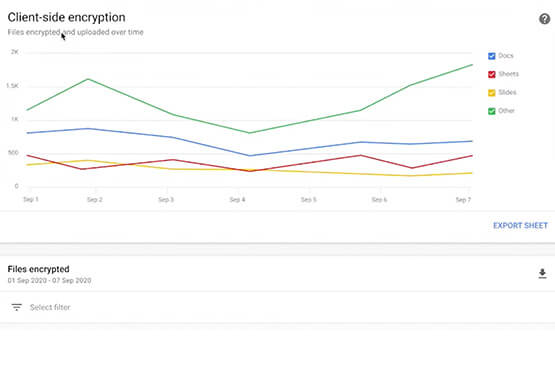
Hybrid workspace need high levels of security, data privacy, and trust for seamless collaboration across workforce. As we navigate to the new normal, your enterprise can learn about the security and privacy specific innovations Google Workspace utilizes to help customers realize powerful, trusted, cloud-native collaboration.



How Manish Malhotra Created Masterpieces on G Suite for the World’s Biggest Names
From Hillary Clinton’s golden outfit at Isha Ambani’s wedding to scores of Indian movies, Manish Malhotra has been a household name for over two decades. It was in 1990 that Malhotra first designed outfits for an Indian movie and since then he has won several awards in the Best Costume
Google Cloud VMware Engine Achieves HIPAA Compliance
We are excited to announce that as of April 1, 2021, Google Cloud VMware Engine is covered under the Google Cloud Business Associate Agreement (BAA), meaning it has achieved HIPAA compliance. Healthcare organizations can now migrate and run their HIPAA-compliant VMware workloads in a fully compatible VMware Cloud Verified stack running natively
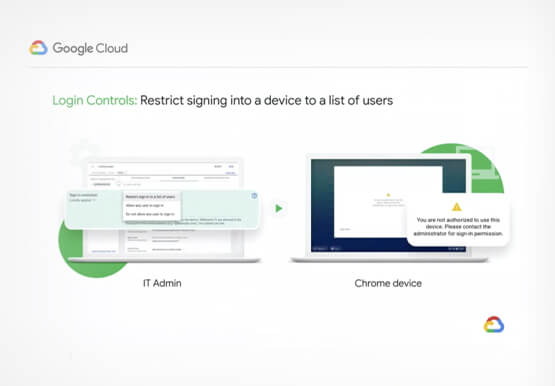
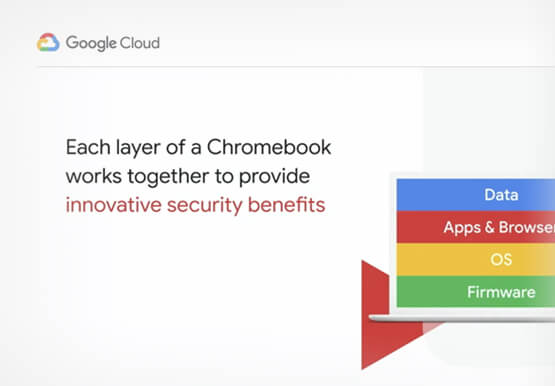
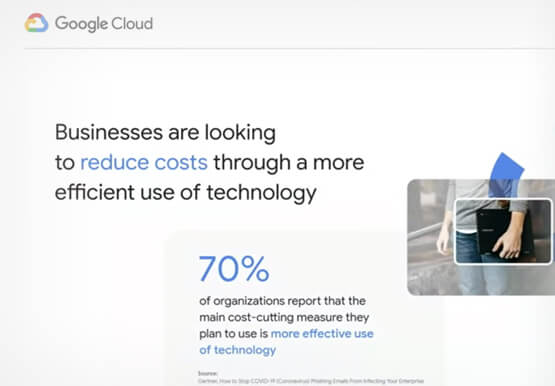
Securing Remote Workers with Google and Chrome Enterprise
With the proliferation of COVID-19 across the globe, the need for a remote working strategy has become paramount to keep businesses running. A Gartner survey found that 88% of organizations have asked their employees to work remotely. And 97% of the organizations canceled work-related travel. However, only 10% of the
